elyssa.hofgard@LIGO.ORG - posted 15:13, Friday 10 August 2018 (43358)
Speed and Direction Sensor Calibrations Wind Fence
Hugh and I made sure that the channel names corresponded to the correct speed sensors. I looked at the realtime data while Hugh stopped each speed sensor with a post. They do, and the channel names are:

H1:PEM-X_FENCE_WIND_SPEED_1_MA
H1:PEM-X_FENCE_WIND_SPEED_1_MPS
H1:PEM-X_FENCE_WIND_SPEED_2_MA
H1:PEM-X_FENCE_WIND_SPEED_2_MPS
H1:PEM-X_FENCE_WIND_SPEED_3_MA
H1:PEM-X_FENCE_WIND_SPEED_3_MPS
H1:PEM-X_FENCE_WIND_SPEED_4_MA
H1:PEM-X_FENCE_WIND_SPEED_4_MPS
H1:PEM-X_FENCE_WIND_DIR_1_MA
H1:PEM-X_FENCE_WIND_DIR_1_DEG
H1:PEM-X_FENCE_WIND_DIR_2_MA
H1:PEM-X_FENCE_WIND_DIR_2_DEG
H1:PEM-X_FENCE_WIND_DIR_3_MA
H1:PEM-X_FENCE_WIND_DIR_3_DEG
H1:PEM-X_FENCE_WIND_DIR_4_MA
H1:PEM-X_FENCE_WIND_DIR_4_DEG

Only the 1st, 2nd and 4th wind speeds and the 1st wind direction have working sensors. When it arrives, the new speed sensor to replace the broken one will be the 3rd speed channel.

We labeled each cable with the sensor name, so we can keep them straight. We also wanted to calibrate the direction sensor with the End X roof direction sensor. We found that our sensor showed where the wind was coming from, while the End X building sensor showed where the wind was blowing towards. Thus, their measurements were off by about 180 degrees, so Hugh rotated the ground direction sensor. This is in a previous aLog entry, but here are the directions for the sensors:

Wind travelling in +X direction (from corner station towards X end): 0 (degrees)

Wind travelling in the +Y direction (from the corner station toward EY): 270

Wind travelling in the -Y direction, EY to CS (approx. direction of typical storm): 90

Wind travelling in the -X direction, EX to CS (the other most common storm direction): 180

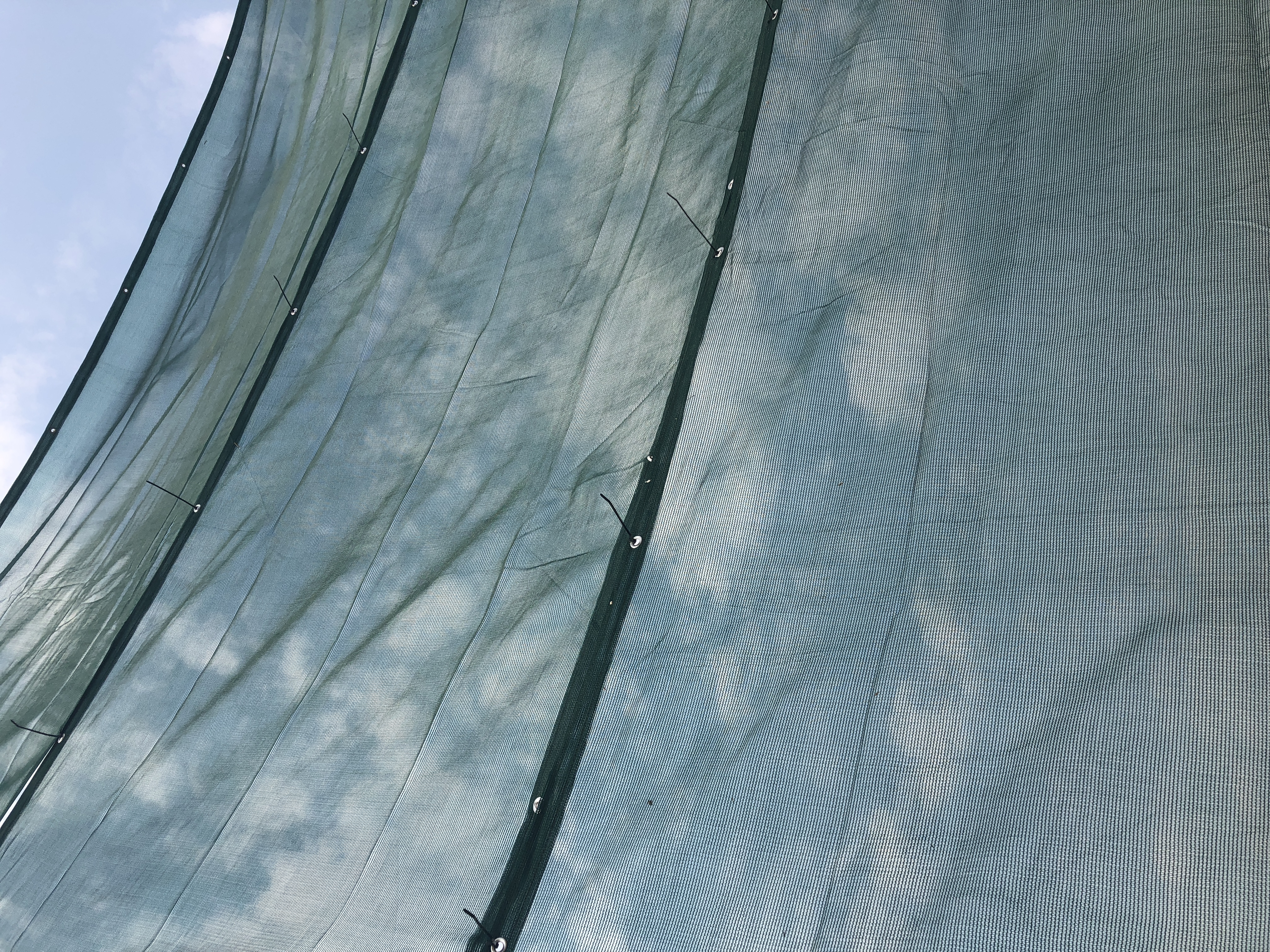
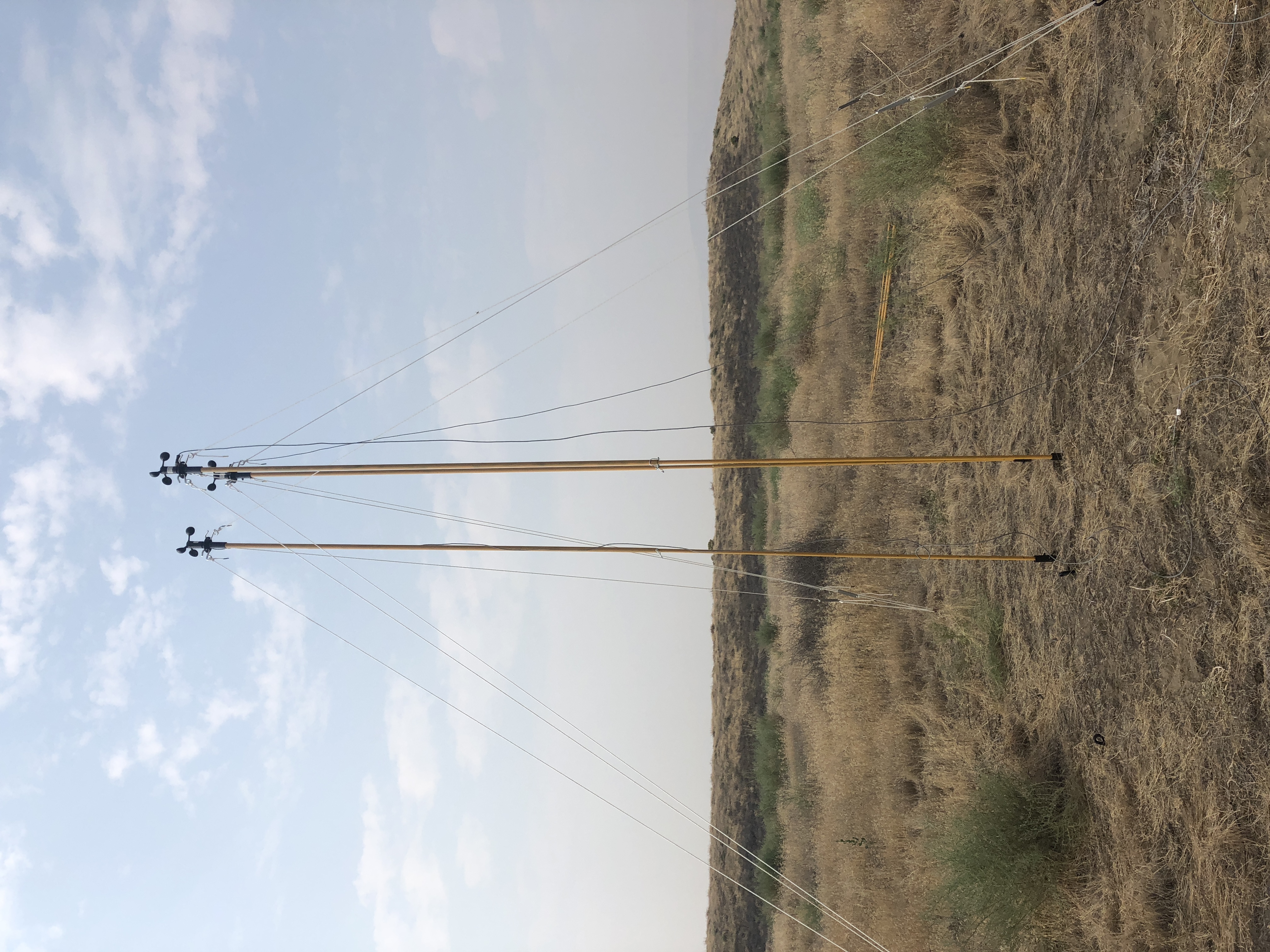
We moved the sensors closer together to try a new huddle test today, as there will be high wind speeds later. They are now about 2 feet apart. I attached a picture of the new huddle test layout, as well as a rough sketch for the speed sensor locations for next week. If whoever moves them could make a new sketch with the sensor numbers, that would be great. Hugh also zip tied sections of the test fence together to more closely resemble the real fence.
Images attached to this report