joshua.smith@LIGO.ORG - posted 00:58, Thursday 25 October 2018 - last comment - 04:17, Thursday 25 October 2018(44808)
FEC 8 1_30 and 1_31 and FEC 10 1_30 and 1_31 are overflowing
Based on the overflows page on the summary pages Link, FEC 8 1_30 and 31 and FEC 10 1_30 and 31 are overflowing semi-all the time (on 10/24). That’s OMC and LSC front ends. I forgot which way around the numbering goes in OMC, but in LSC this appears to be REFL A 45 Q,I.
Images attached to this report


Comments related to this report
thanks; REFL45 is not being used so I turned the whitening gain from +12dB to 0dB and the saturations have stopped. It would be good to put this into Guardian.
Images attached to this comment
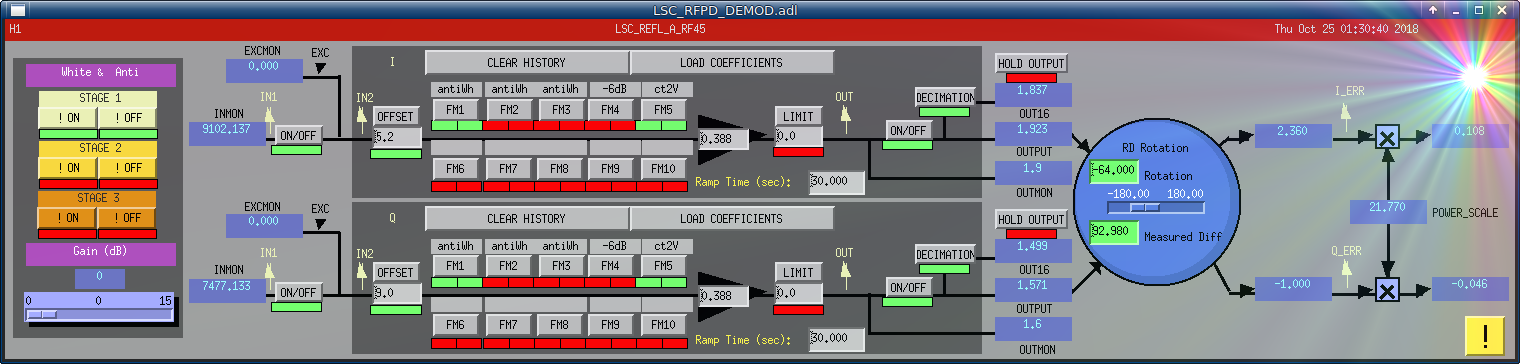
Josh, Andy

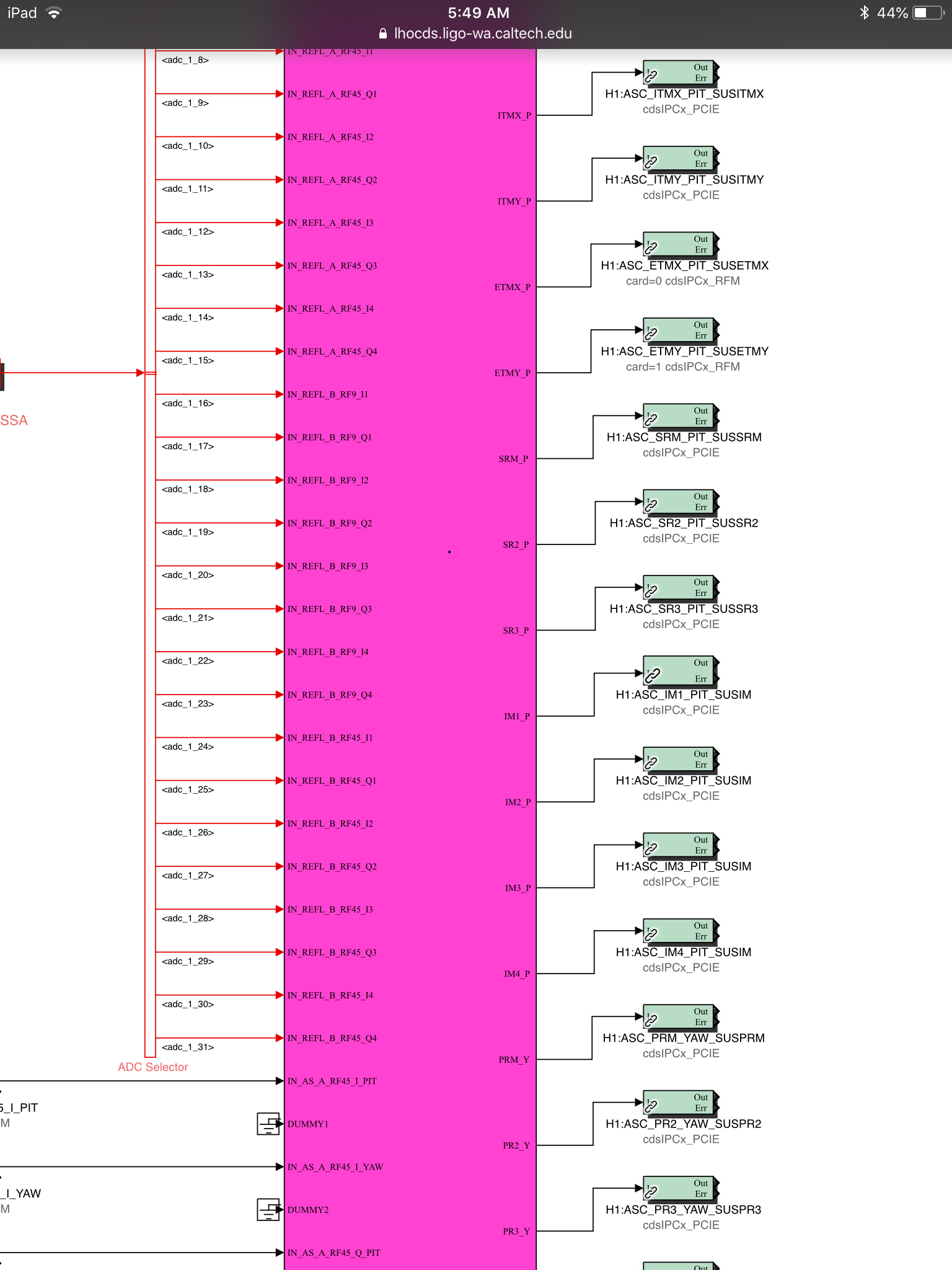
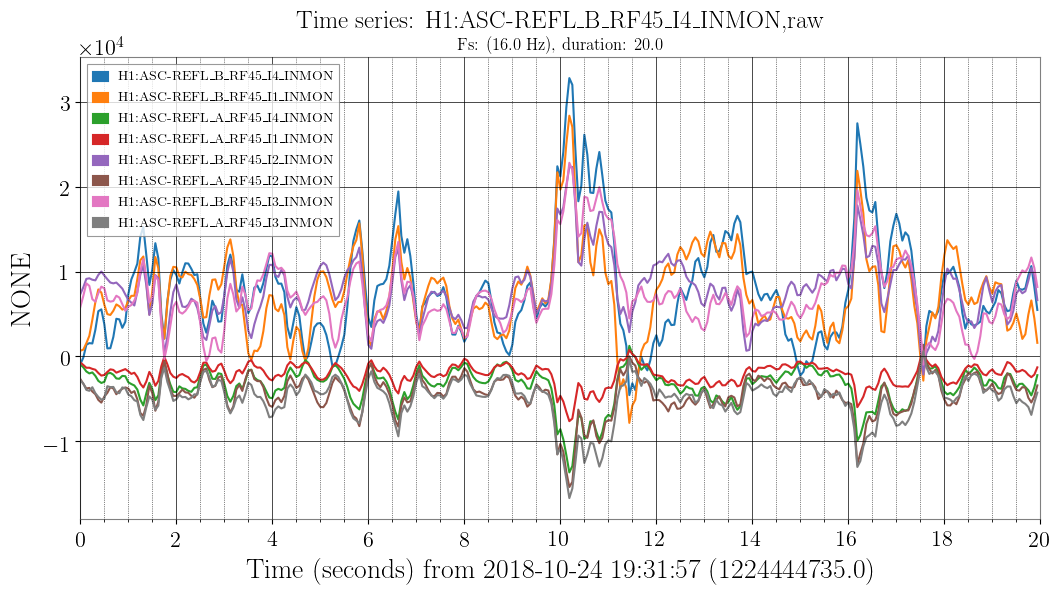
There are also overflows in the ASC model, FEC 19. The most overflowing channels there (overflowing 101 and 122 times) are 1_11 and 1_30, ASC REFL A RF 45 Q2 and ASC REFL B RF45 I4. Shortly after that are other I quadrant channels. REFL 45I is in loop for pitch. This can couple the overflow to DARM, but it might also be that glitches are showing up in DARM and overflowing the ASC.

It's probably worth checking the levels on the ASC REFL PDs at 45 MHz, and see if they can be stopped from overflowing in low noise. These do seem to be short overflows, not ones caused by the signal going slowly out of range. We haven't checked other signals yet; these were first on the list because they overflow most commonly.

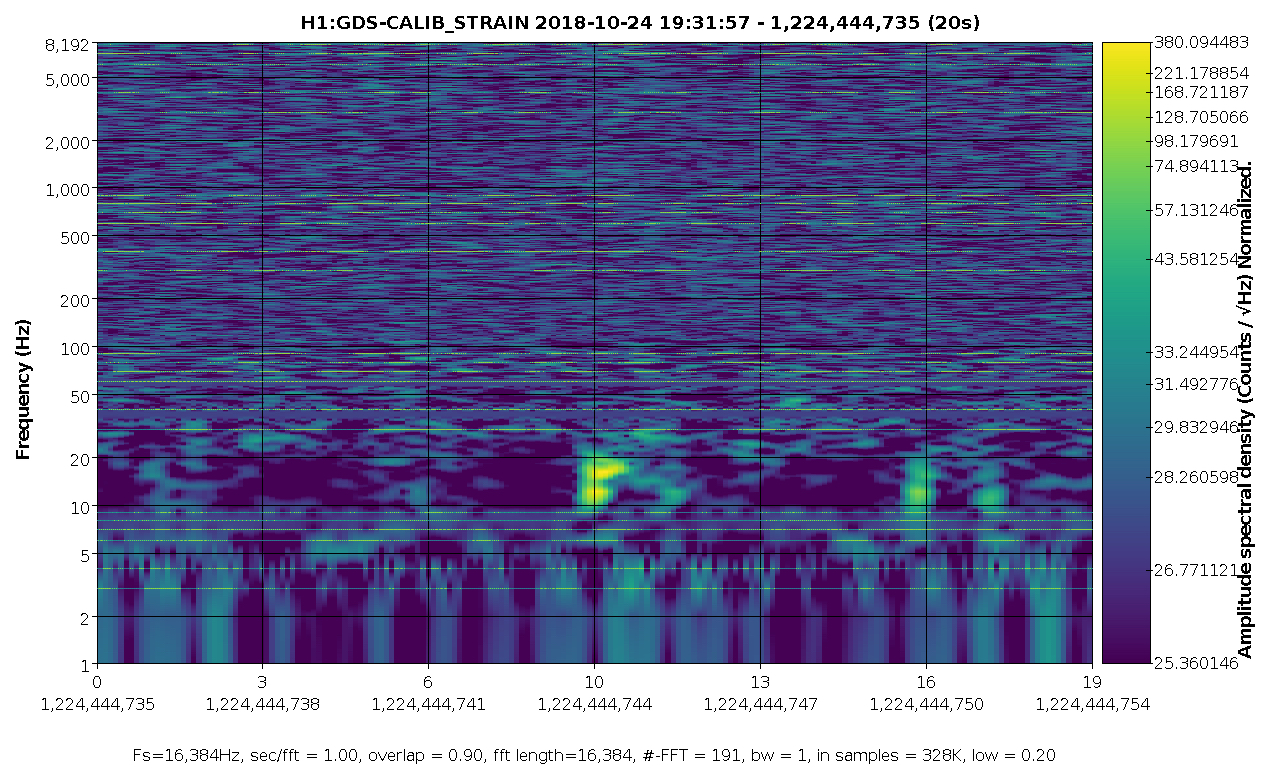
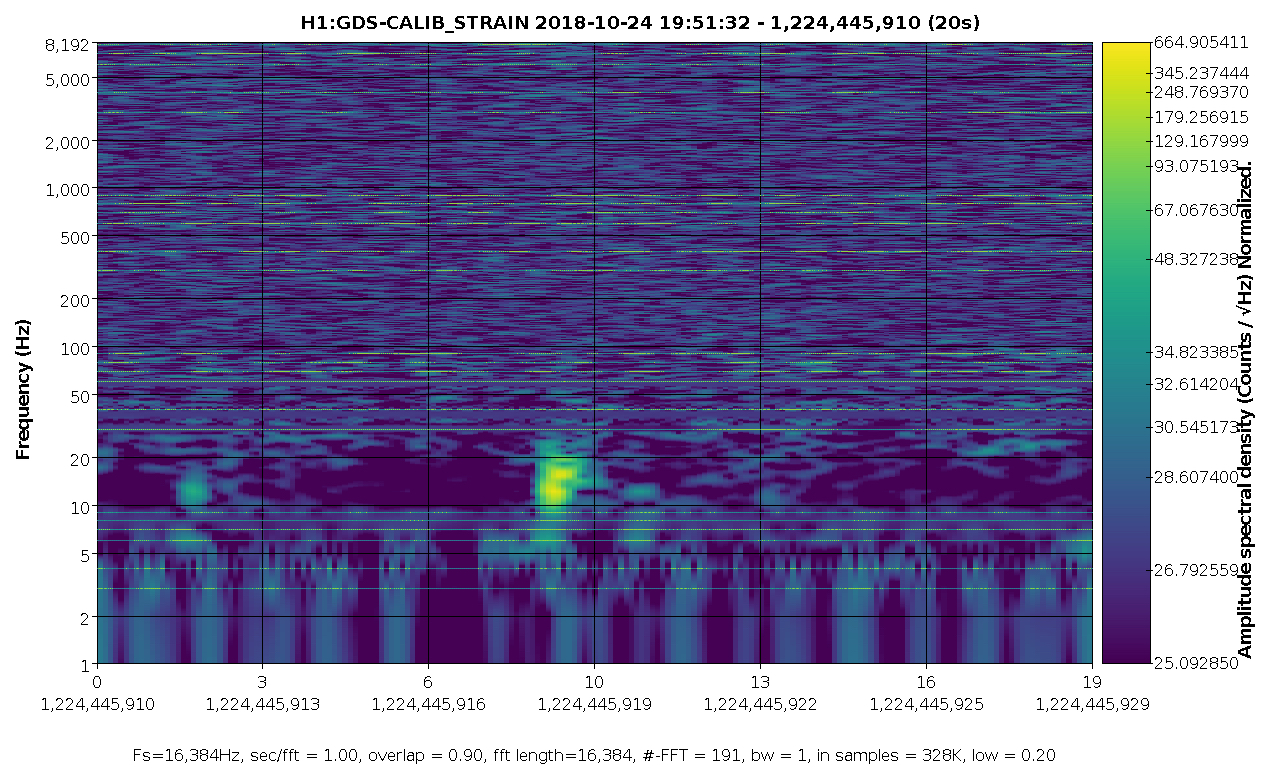
Attached are the overflow times from yesterday for REFL_B_45 I4, and the simulink for reference. Then we have plots of the REFL 45I inmons for two glitches, and the associated spectrograms in DARM.
Images attached to this comment