Anne Baer, Derek Davis
Summary: Extremely large earthquakes create short periods of significant periods of scattering that can produce significant background triggers for the searches.
Through mid-June of O3 there have been eight earthquakes that resulted in ground motion above 1000 nm/s. For half of these times, the interferometer was able to stay in lock throughout the entire period of the earthquake.
Half of these high earthquake times have significant periods of loud scattering arches that impact the searches. It is not clear what causes these times to result in a larger number of glitches. When this scattering does occur, the glitches tend to produce loud outliers in the PyCBC background, especially for templates with durations of 0.5-4.0 seconds. Earthquake-related glitching is one of the limiting sources of noise for this part of the parameter space.
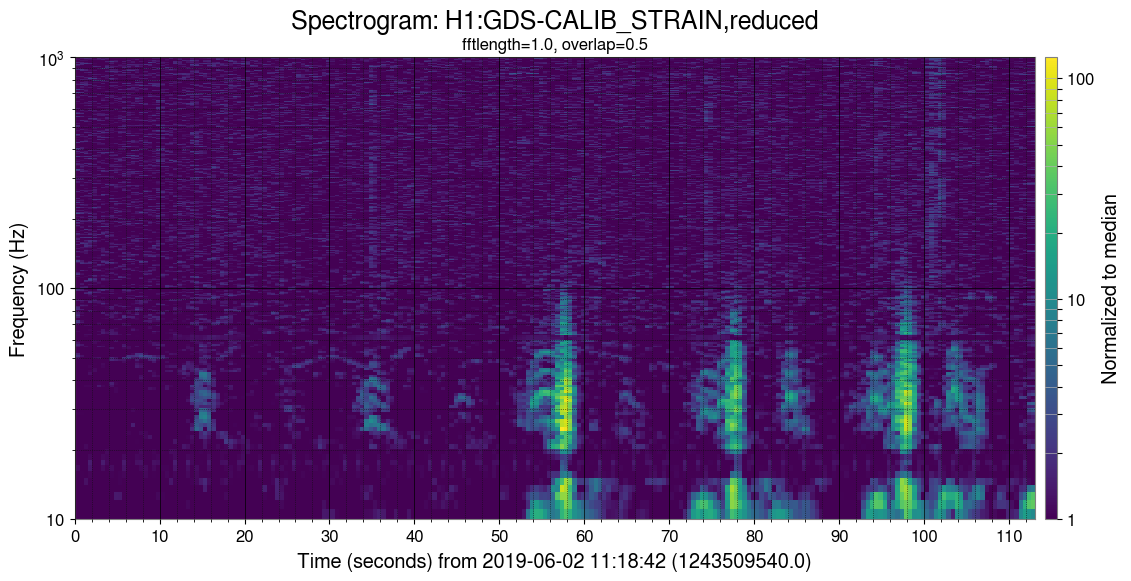
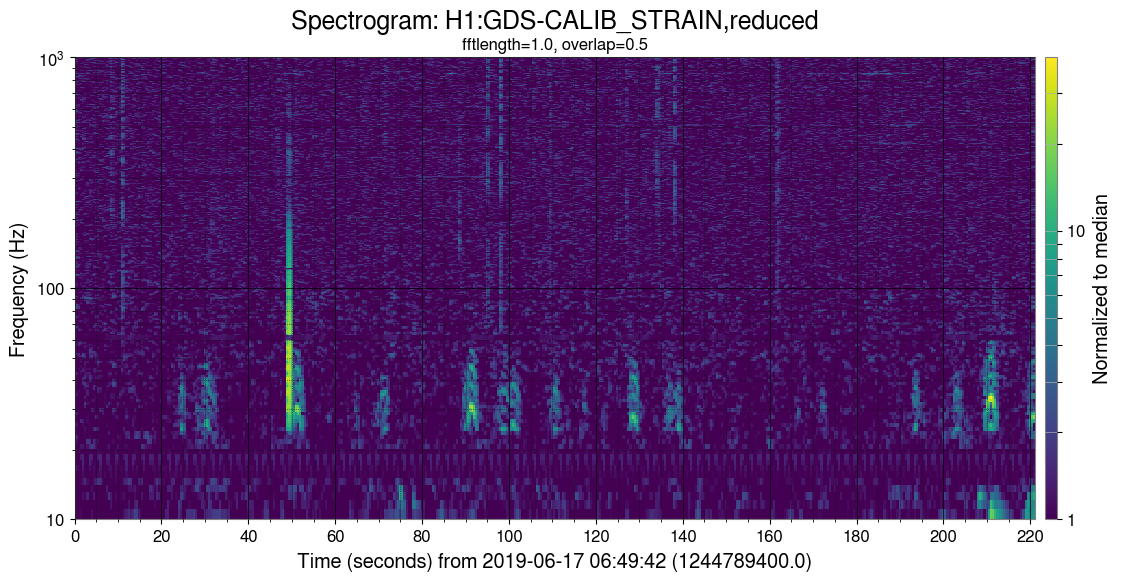
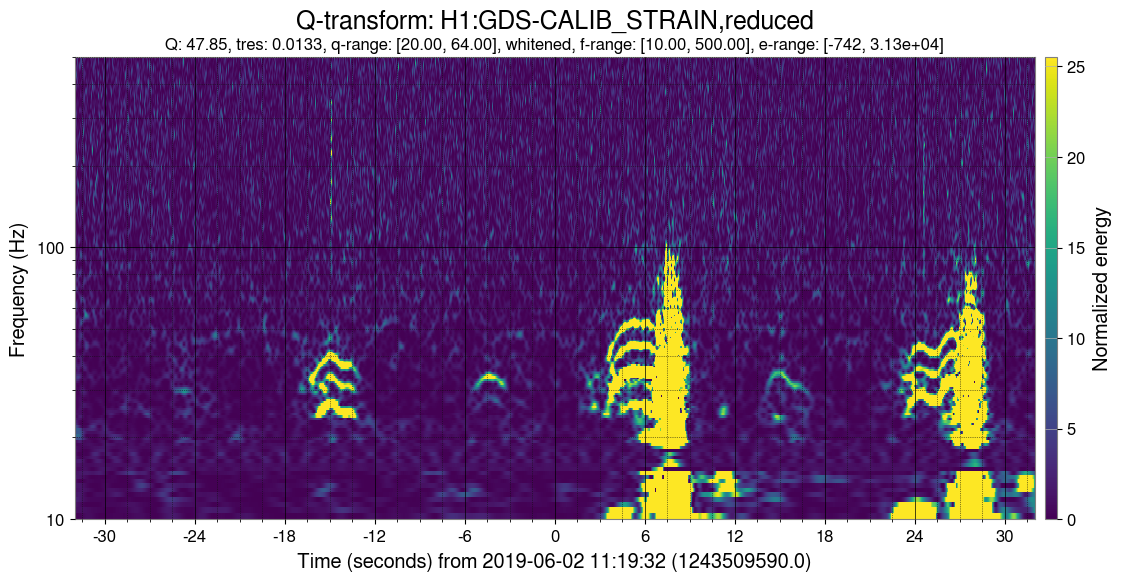
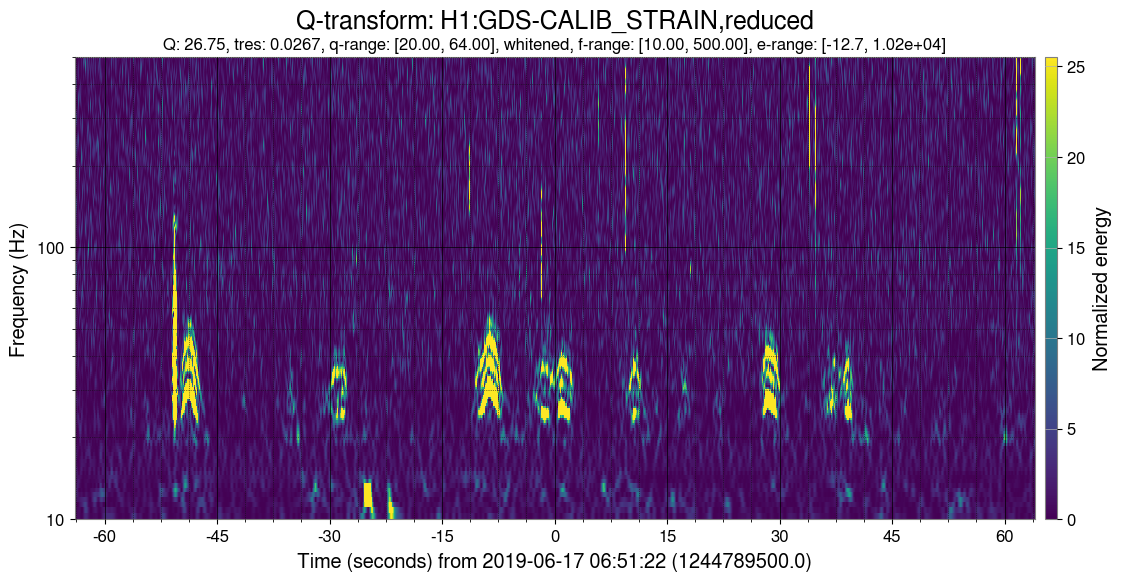
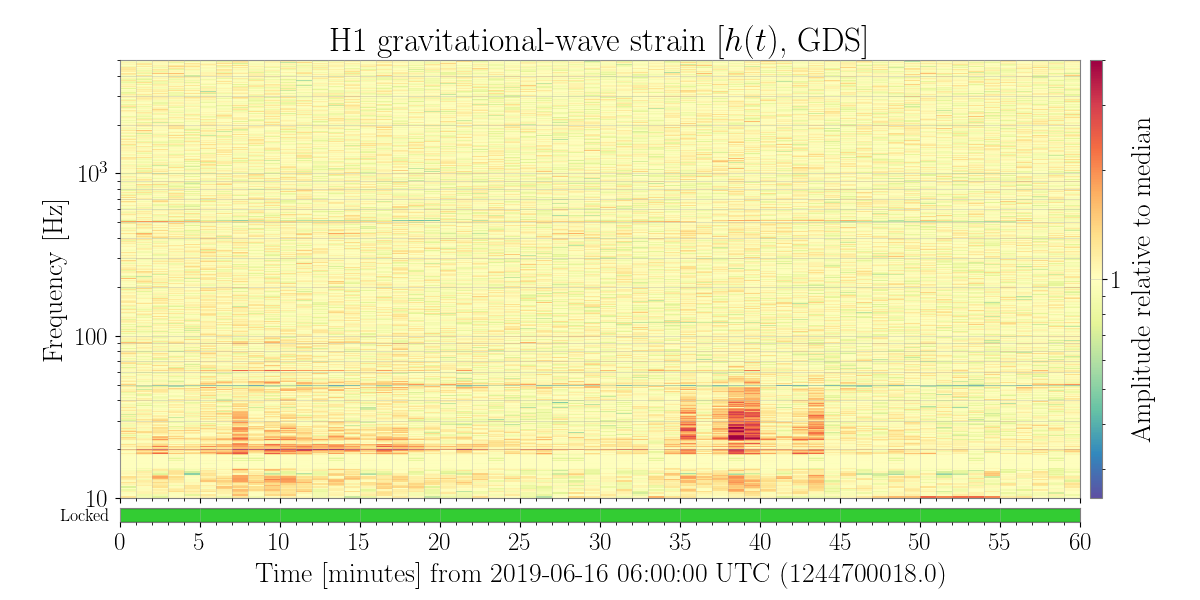
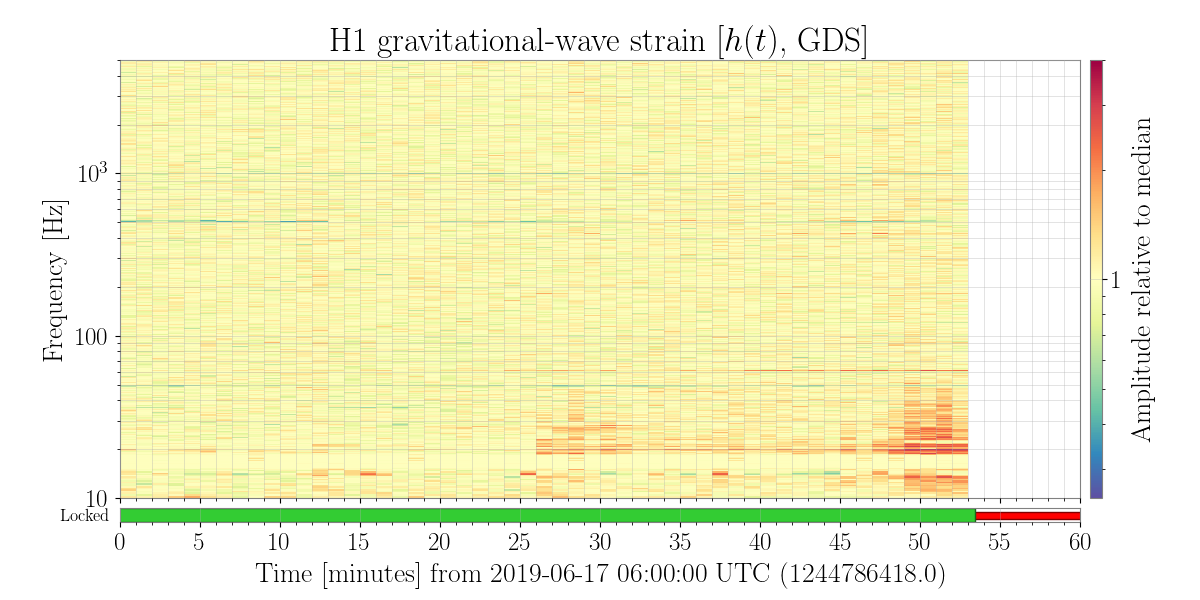
Spectrograms showing the duration of the high earthquake periods show significant noise at low frequency (see attachments 1 and 2), corresponding to scattering arches in the zoomed in omega scans (see attachments 3 and 4).
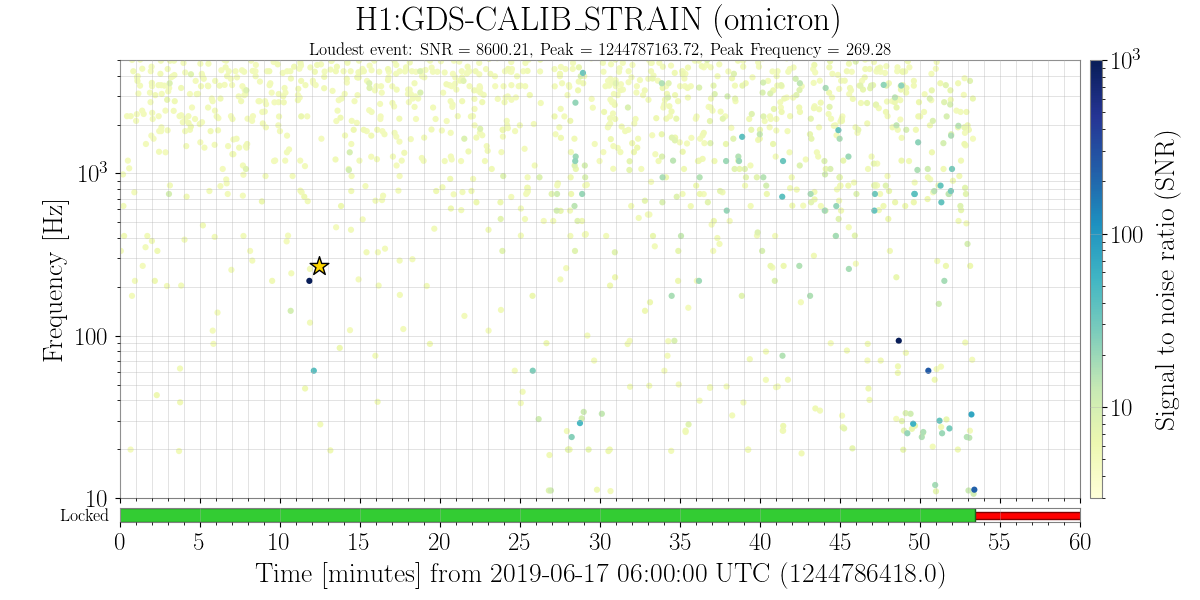
The excess noise produced by these large earthquakes is also visible in hourly omicron glitch plots, with excess glitching at 20-50 Hz lining up with the start of the earthquake periods (see attachment 5, 6, 7, and 8).
In all, extremely large earthquakes are related to significant periods of excess noise and should be flagged by the searches. However, as noted in alog 50844, this glitching is not significant enough to warrant leaving observing mode and sacrificing the increase in observing time.

Here is the link to the rest of the analysis I did during the noise sprint, as requested.