J. Oberling, E. Merilh
Just a couple of quick items for today's maintenance.
FSS EOM Cable Re-Termination
Peter had requested this a few weeks ago after finding some weirdness with the FSS EOM cable. I disabled the FSS via the autolocker, had to manually disable the main FSS loop and the temperature loop (these should default to OFF so the FSS is disabled when the autolocker is disabled), unplugged the TTFSS (maybe not necessary, but done out of an abundance of caution), and fed the EOM cable out of the enclosure so Ed could re-terminate it (involves solder so we definitely did not want to do that in the enclosure). That done, everything was wired back up and the FSS was locked using only the autolocker; it locked almost right away with zero issues.
PMC and RefCav Beam Alignment Tweak
Once the enclosure temperature had settled after the incursion for the FSS EOM cable re-termination, I briefly tweaked the beam alignment into both the PMC and FSS RefCav; this was done with the ISS OFF (because the ISS will fight any improvements in PMC transmission, since as far as it is concerned the power is increasing when it shouldn't). That complete, I turned the ISS back ON; it is currently diffracting right around 2%. With the ISS ON, the PMC is now transmitting 54.7W and reflecting 10.0W; the FSS TPD is now reading ~4.3V.
Other small things
I was asked to double check that the DBB was in fact OFF. There is no power going to any of the DBB electronics in the PSL rack, everything is unplugged. The DBB MEDM screen is reading how it normally does when the electronics have been powered off. The DBB is OFF.
I also set the flow sensor trip point for O3 to 0.8 lpm. The flows are currently reading 1.5 lpm, 1.5 lpm, and 1.8 lpm for the FE, Power Meter, and 70W amp cooling circuits, respectively.
Rick, Niko,
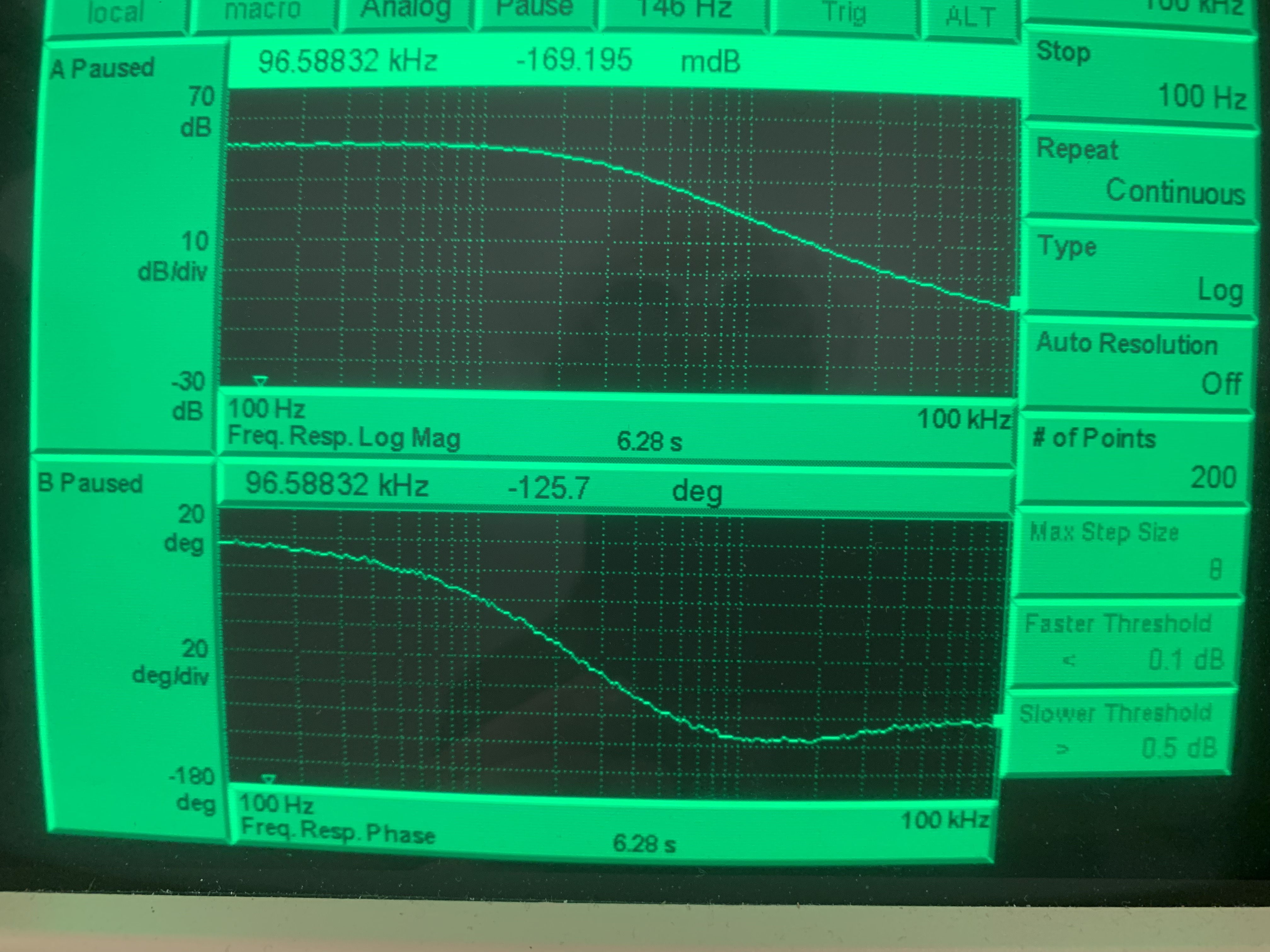
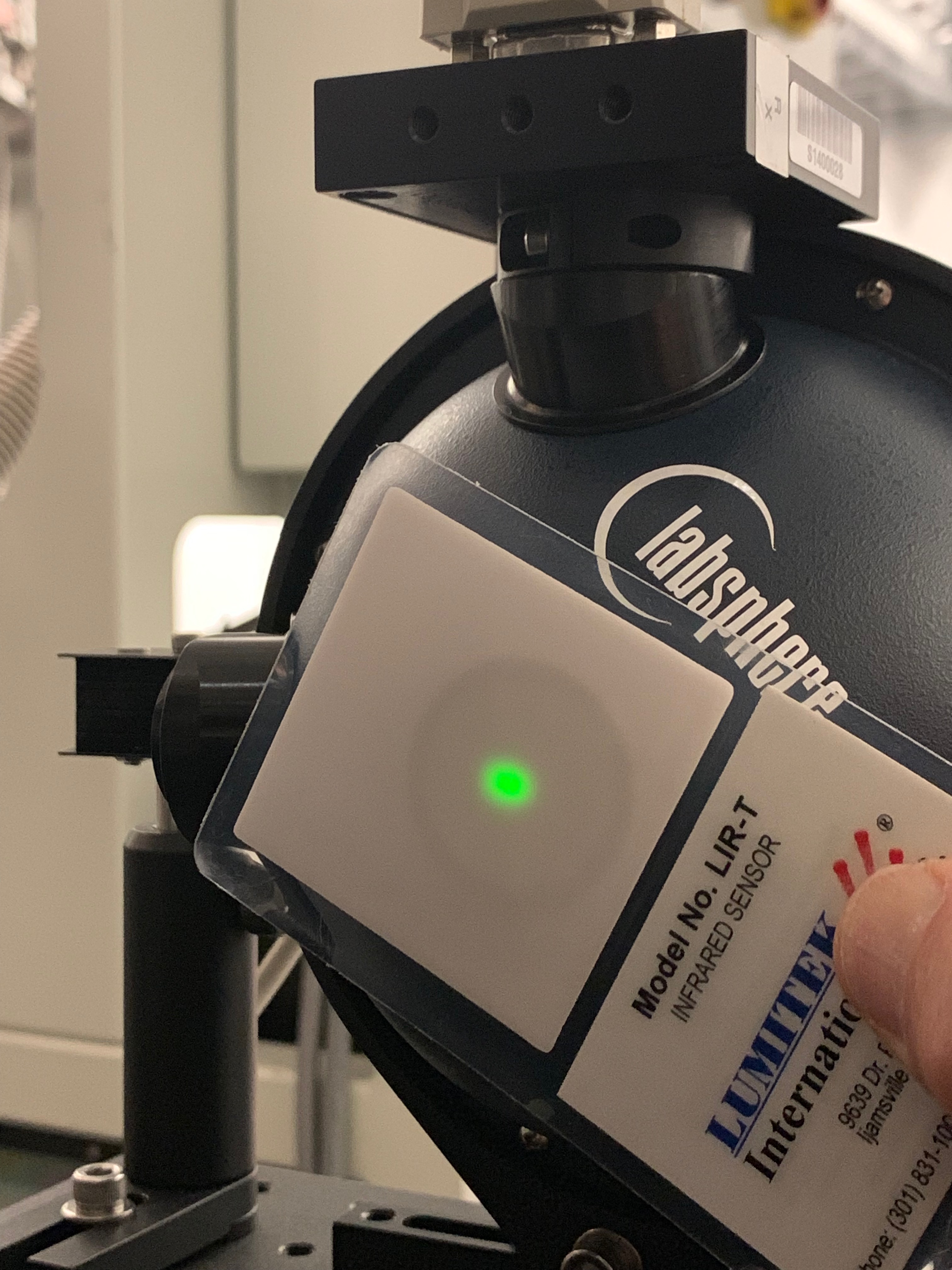
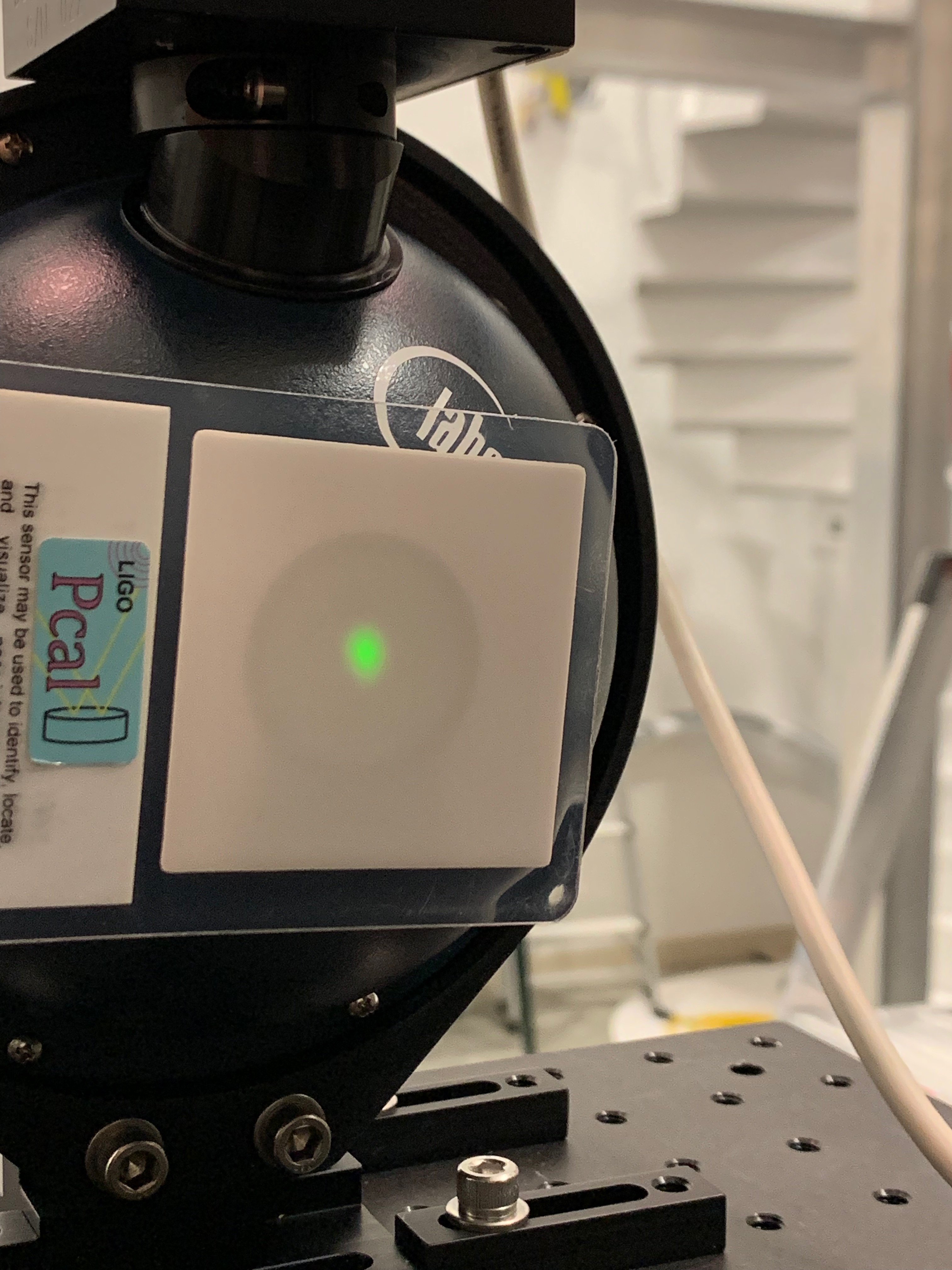
Performed Pcal Tx maintenance at EY this morning. Laser output power is at a reasonable level, but the AOM diffraction efficiency is a good deal worse than we expect it to be. We would like to take a future maintenance day to tune up the AOM.
(OFS Open Loop Transfer Function Bode plot not included, did not save correctly to the flash drive)
Ed, Fil
Both end stations were swept as per LVEASweepChecklist. Checklist will be slightly edited for some ambiguities:
Phones unplugged & batteries pulled from handsets (Phone locations here)
the Valcom system is mentioned by name in the LVEA sweep and just hadn't been carried to the End VEA sweep check until now.
Rick, Niko,
Performed Pcal Tx maintenance at EX this morning. AOM diffraction efficiency and laser power are within an acceptable range of the last maintenance measurement, taken 08/03/2018.
The corner station PEM model, h1pemcs is supposed to have all the DAC channels on the 18-bit DAC in the h1oaf0 computer. These had been stolen some time ago by a "compact BRS" model. Checking with Jenne, this was decommissioned some time ago, so I reconnected the 0, 1, 2, 3 DAC channels back to h1pemcs. I restarted the model, did not require daqd restart.
Now these channels can be used for whatever injections, connecting to the 18-bit DAC in the PEM rack. Channels such as H1:PEM-CS_GDS_<#>_EXC, where # can be 0 thru 6, as labeled on the front of the chassis.
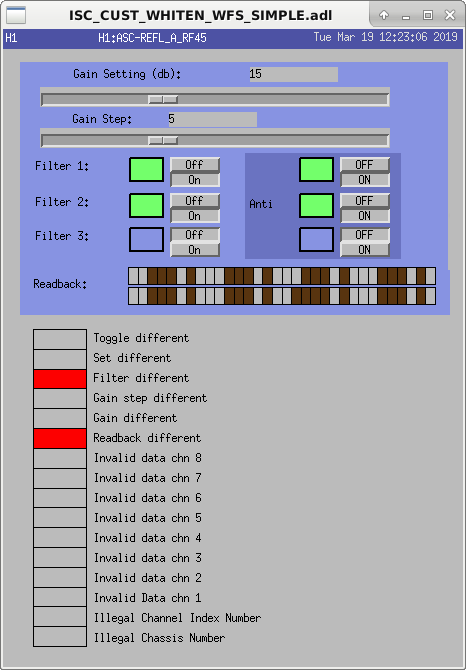
On 3/13/19 the whitening readback for ASC-REFL_A_RF45 switched state for unknown reasons. This could indicate that filter 3 for one of the segments is engaged in analog but not digital.
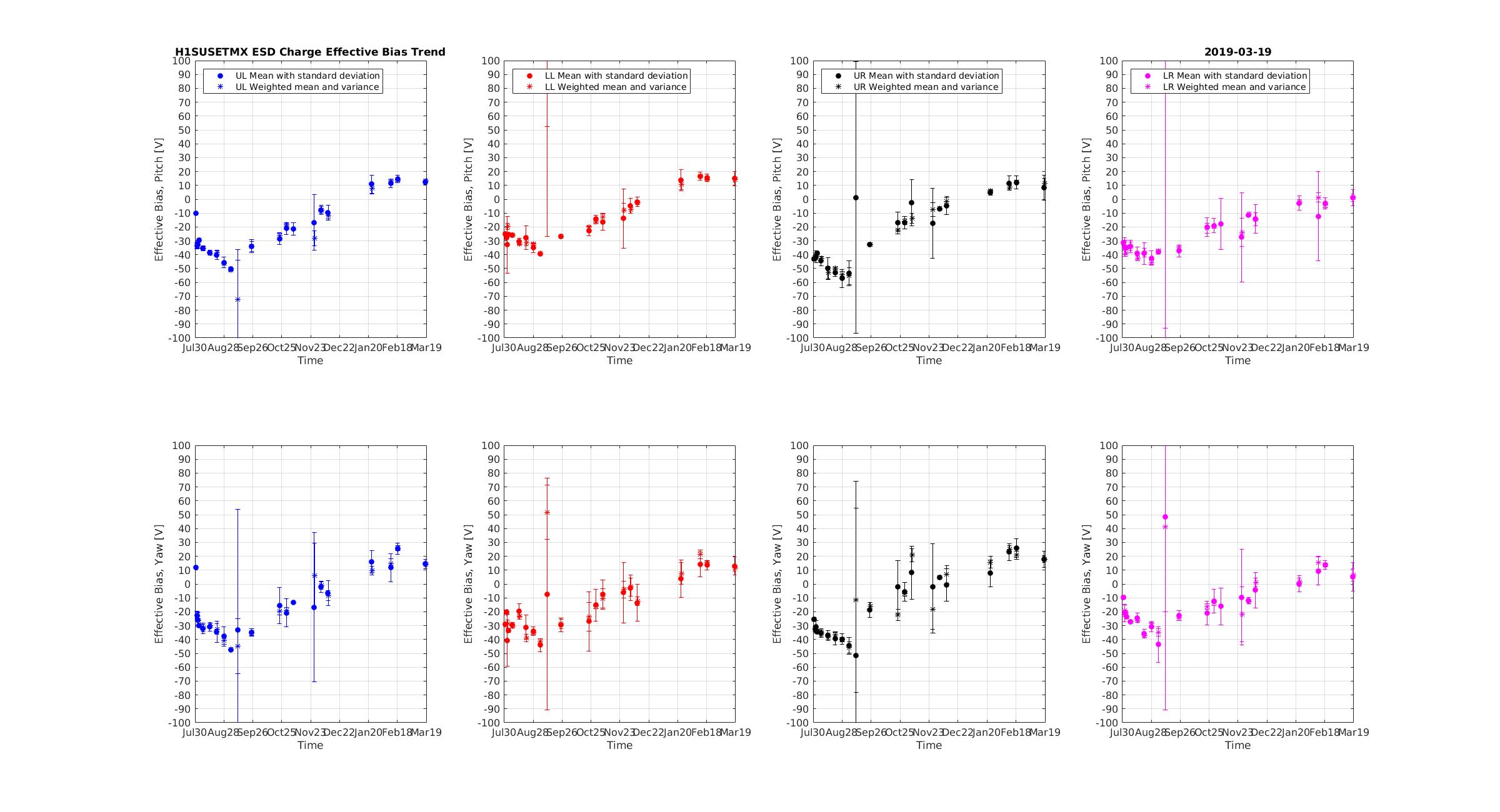
OPLEV Charge measurements for the ETMX was performed today. Attached file shows the analysis performed on the MATLAB. The long term trend of the charge effective bias is consistent with the previous values and no large change is observed.
SDF showed that the biased voltage (ETMX) was turned OFF, Jenne showed me how to turn it back ON. All other values were restored for lock acquisition.
Used two layers of the original fabric on the south section (15' wide.) We may want to run the production fence cladding to the ground for improved performance and we want to see if tumbleweed accumulation is really a big problem. So far we have not had any tumbleweeds collecting on the fence with a gap from the ground to ~4-5' but that gap may cause turbulence and wind speed increases.
Cable cleanup in squeezer rack:
Laser Locking:
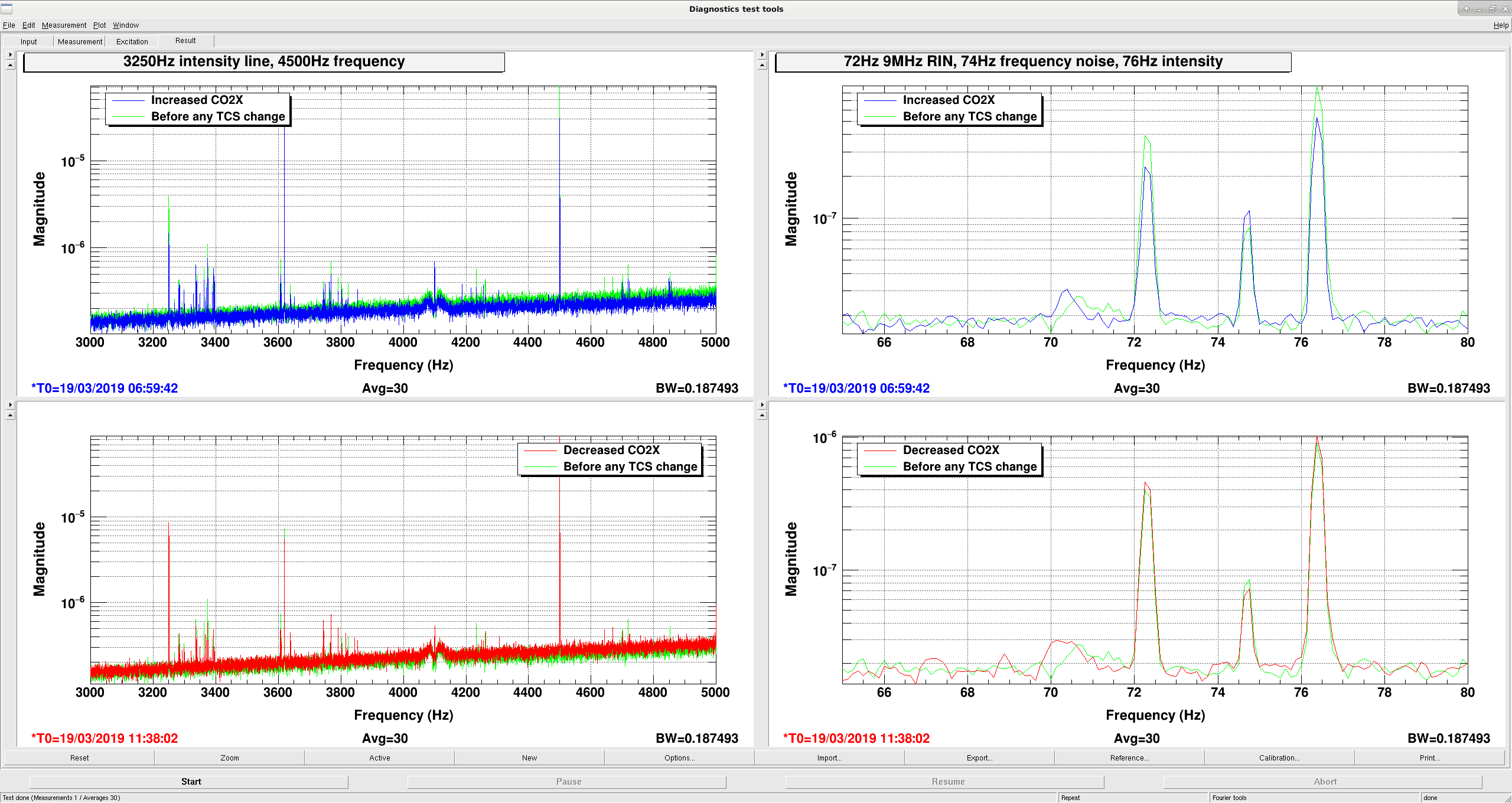
Last night TJ and I tried some TCS tuning of CO2X to see if we could fix some of the high frequency noise couplings. Things we learnt:
I haven't demodulated all the lines and data yet but I'll make plots later.
Overall the noise couplings got better with more CO2X, similar behaviour to what we saw at 30W as we're giving a CPX a more positive lens to match the extra heating in ITMY. This time we did see some changes in the frequency noise coupling in the bucket, previously we did not see that. Although the noise couplings got better the sideband matching in PRCL/SRCL got worse. Both RF18/90 were reducing and AS_C sum was increasing. PRCL to arm matching seemed to get slightly better though as PRG increased a small amount, ~0.1.
Less CO2X just made everything worse, apart from frequency noise coupling in the bucket.
Patrick, Filiberto Ran svn update on h1ecatx1 Ran svn update on h1ecaty1 Disabled and cleared TortoiseSVN stored passwords on h1ecatx1 and h1ecaty1 h1ecatx1: Updated from source Rebuilt PLC1, PLC2, and PLC3 in target directory Rescanned PLC1, PLC2, and PLC3 in system manager in target directory Linked Channel 4 of ALS Laser Table Relay 1 (EP2624-0002) to TcsHWSEOut.SledShutDown in system manager in target directory Activated configuration Filiberto swapped the patch cable inside the end X illuminator chassis for an Ethernet patch cable Restarted everything Everything is back in OP and the glitches as noted in alog 47502 have disappeared. The CRC errors have also cleared.
Filiberto also fixed the wiring for the readback of the status of the table fan and I checked that the value in the system manager changed when he turned the fan on and off, which it did. I did not check the medm readback.
All three dust monitor vacuum pumps (EX, EY, CS) are working within specifications. Made slight pressures adjustments to all three pumps. All temperatures were under 150f. The carbon dust buildup on the CS vacuum pump muffler is still present but not growing from the last check (2 weeks ago). Will keep an eye on the CS pump for indications of vane failure. There is a rebuild kit ready to go. Closing FAMIS #8355
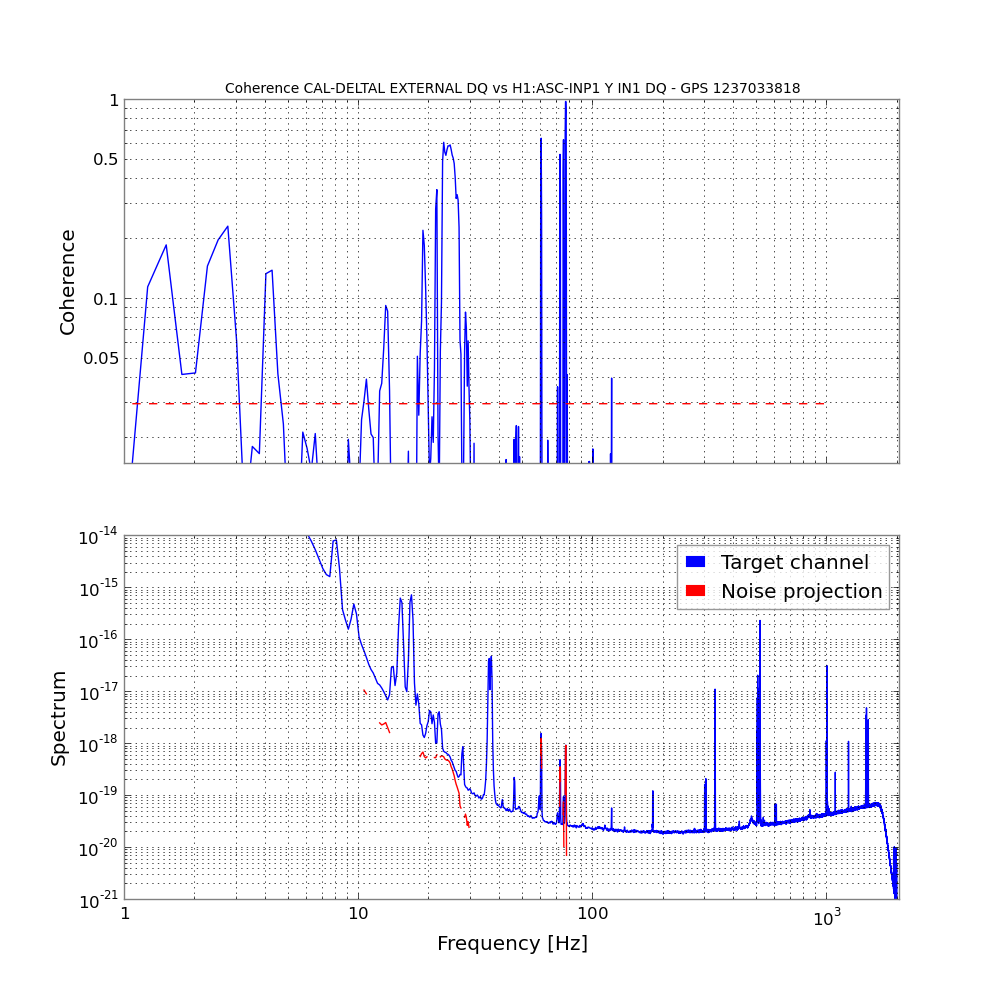
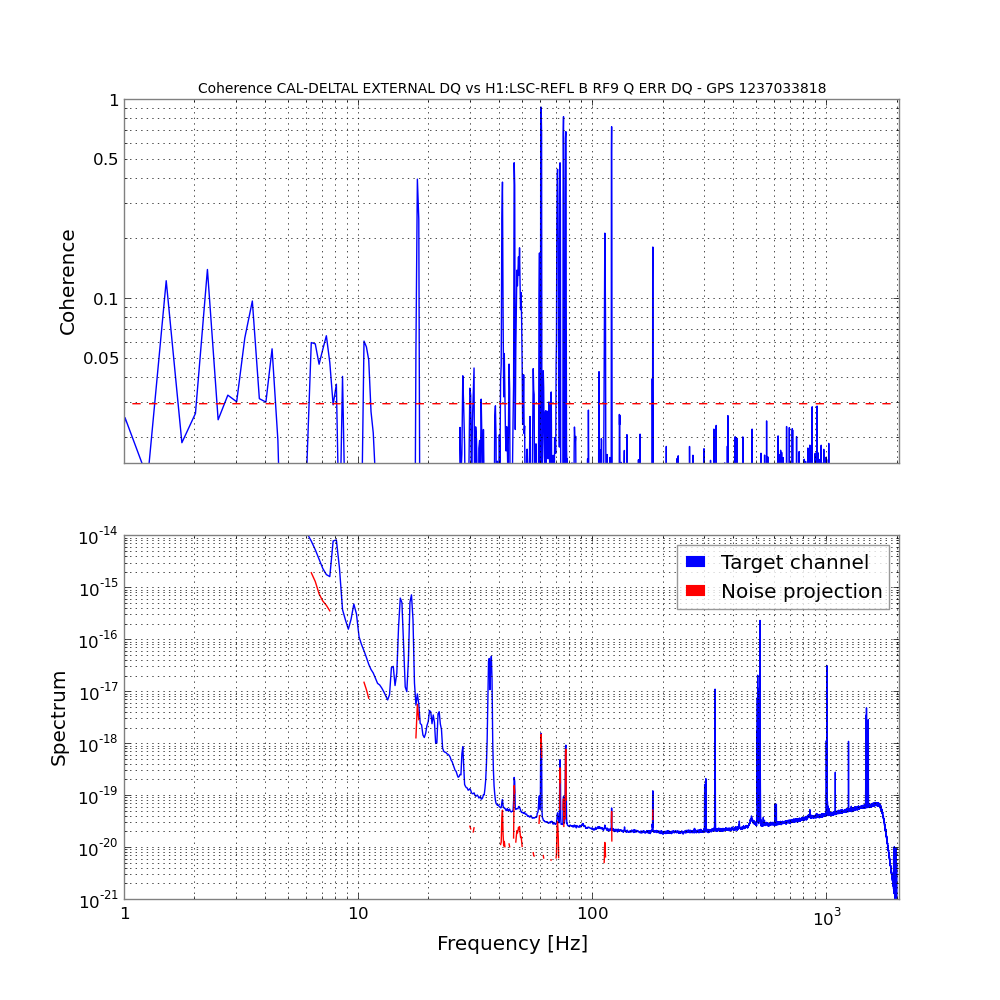
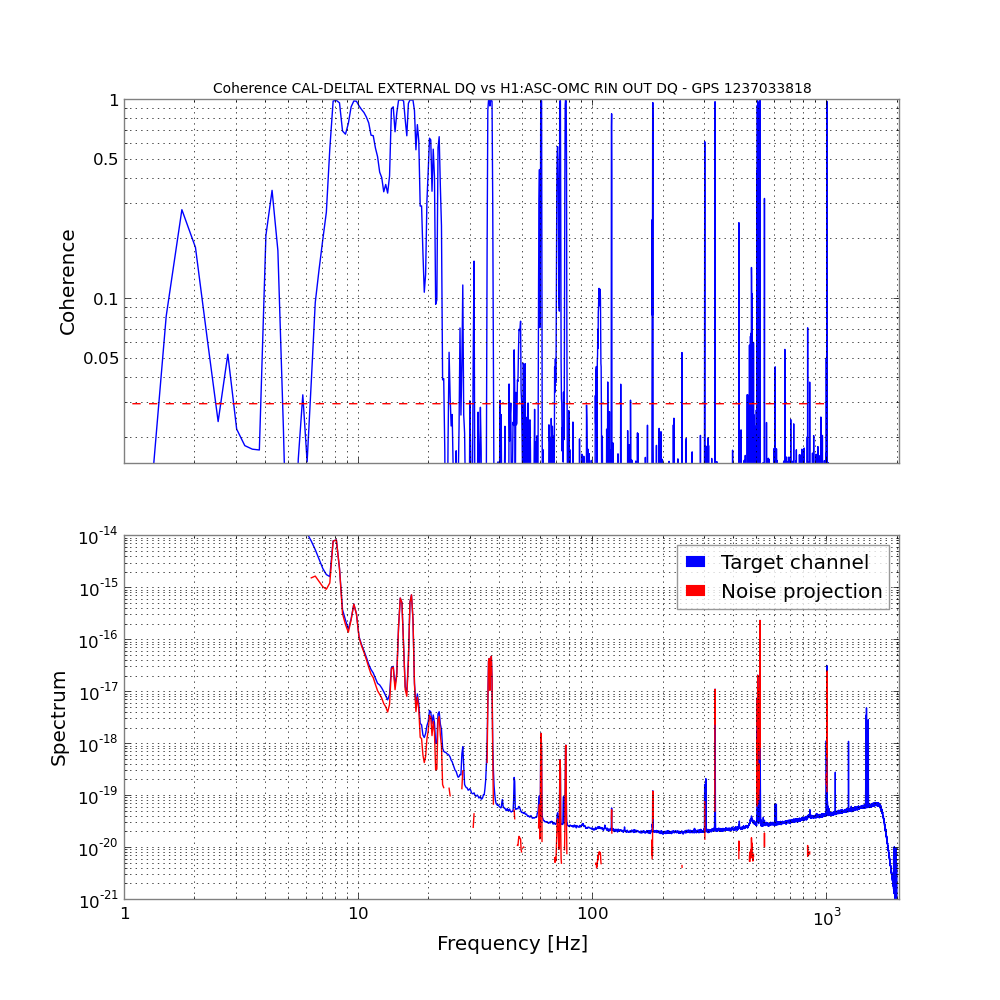
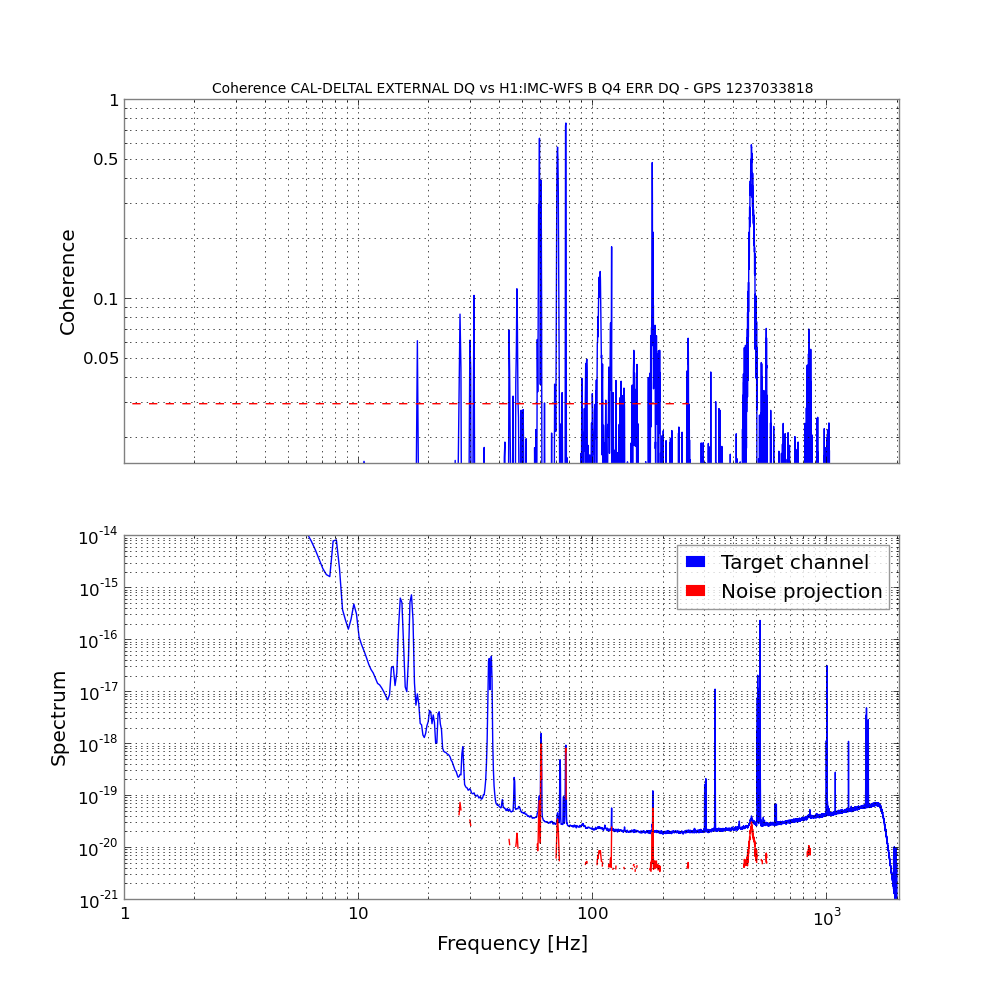
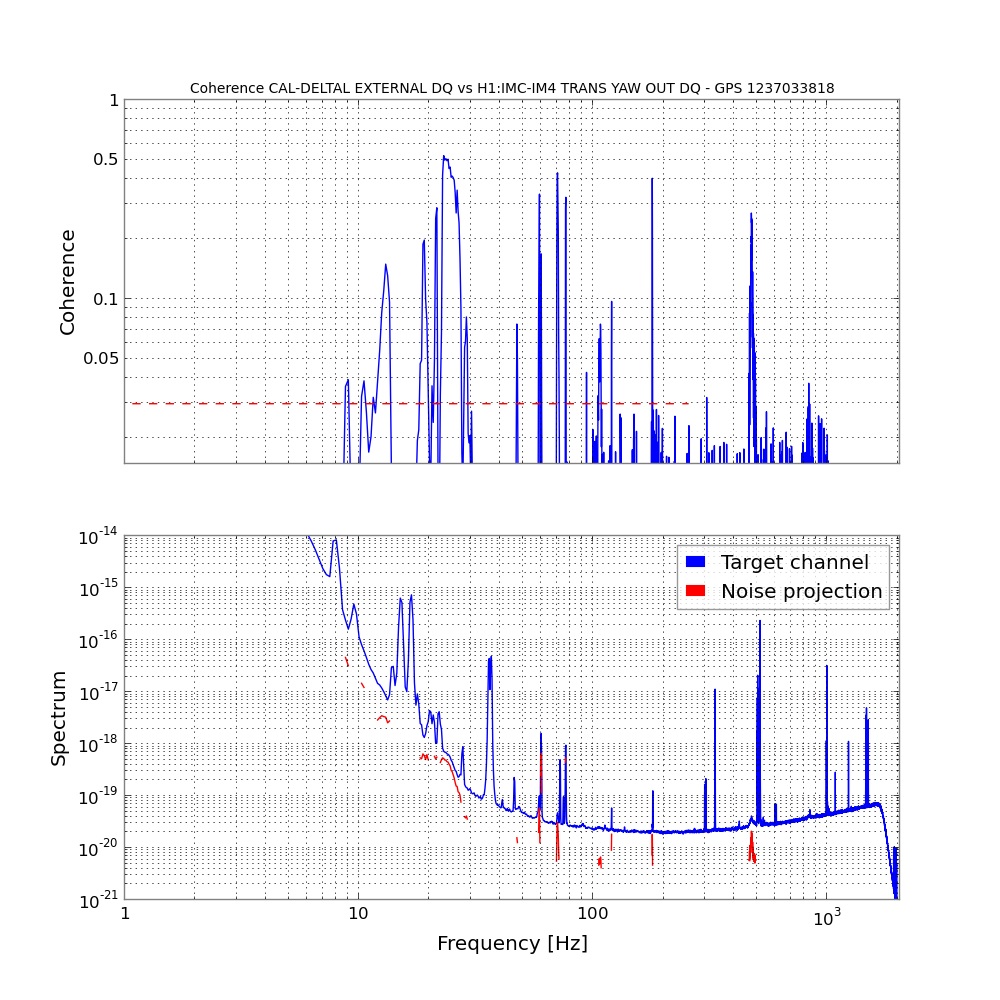
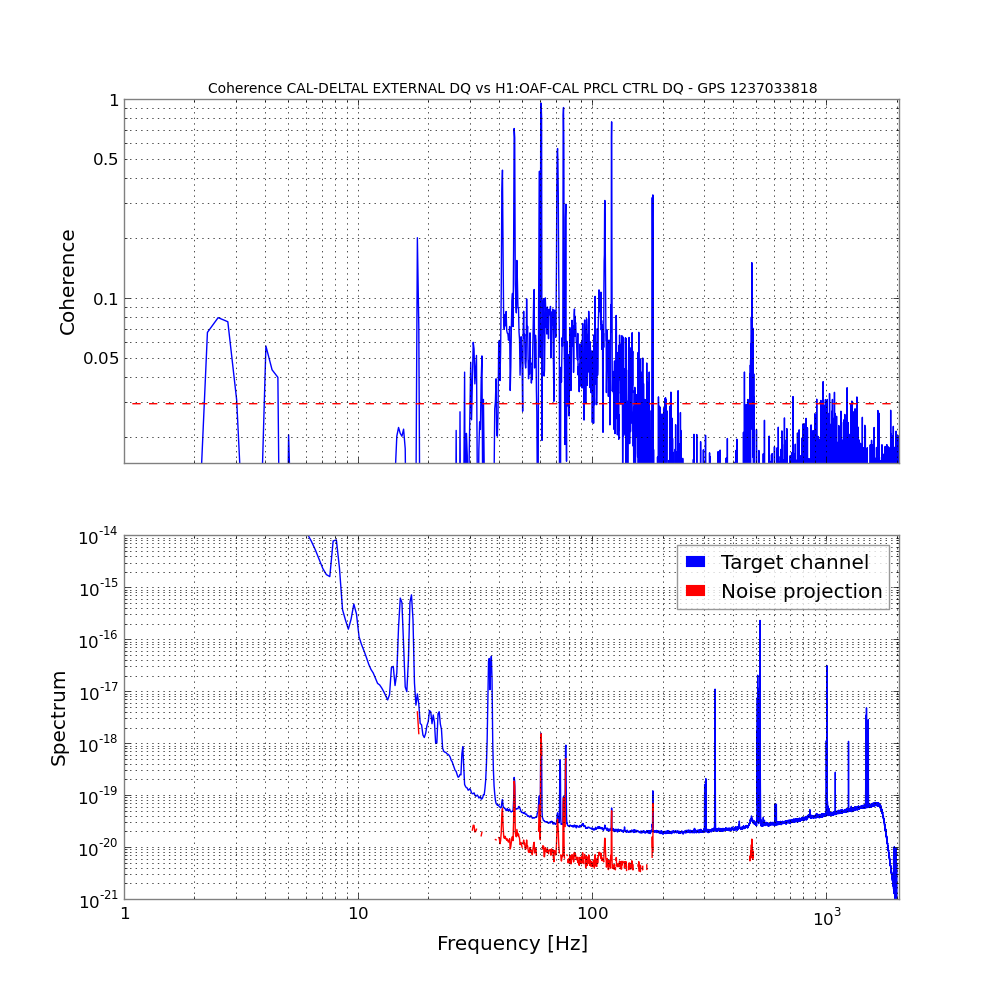
BruCo scan here for last night lock: https://ldas-jobs.ligo.caltech.edu/~gabriele.vajente/bruco_lho_1237033818/
Some highlights:
We should check in on this again for our next lock, before we try any TCS tuning, but for at least one lock from yesterday afternoon, there is much less coherence with INP1.
DanB points out that this time is right near a TCS CO2 power change, and the IFO was cooling down a bit, so perhaps the ASC was following in a weird way. On the other hand, I've been suspicious about that particular frequency region for a while - some locks it seems high, while other locks it seems low.
There is a 2Hz cutoff in the INP1 ASC loops, but at higher frequency the suppression is only 40dB. So, probably we should take a quick measurement of these loops and add some more aggressive cutoffs just in case.
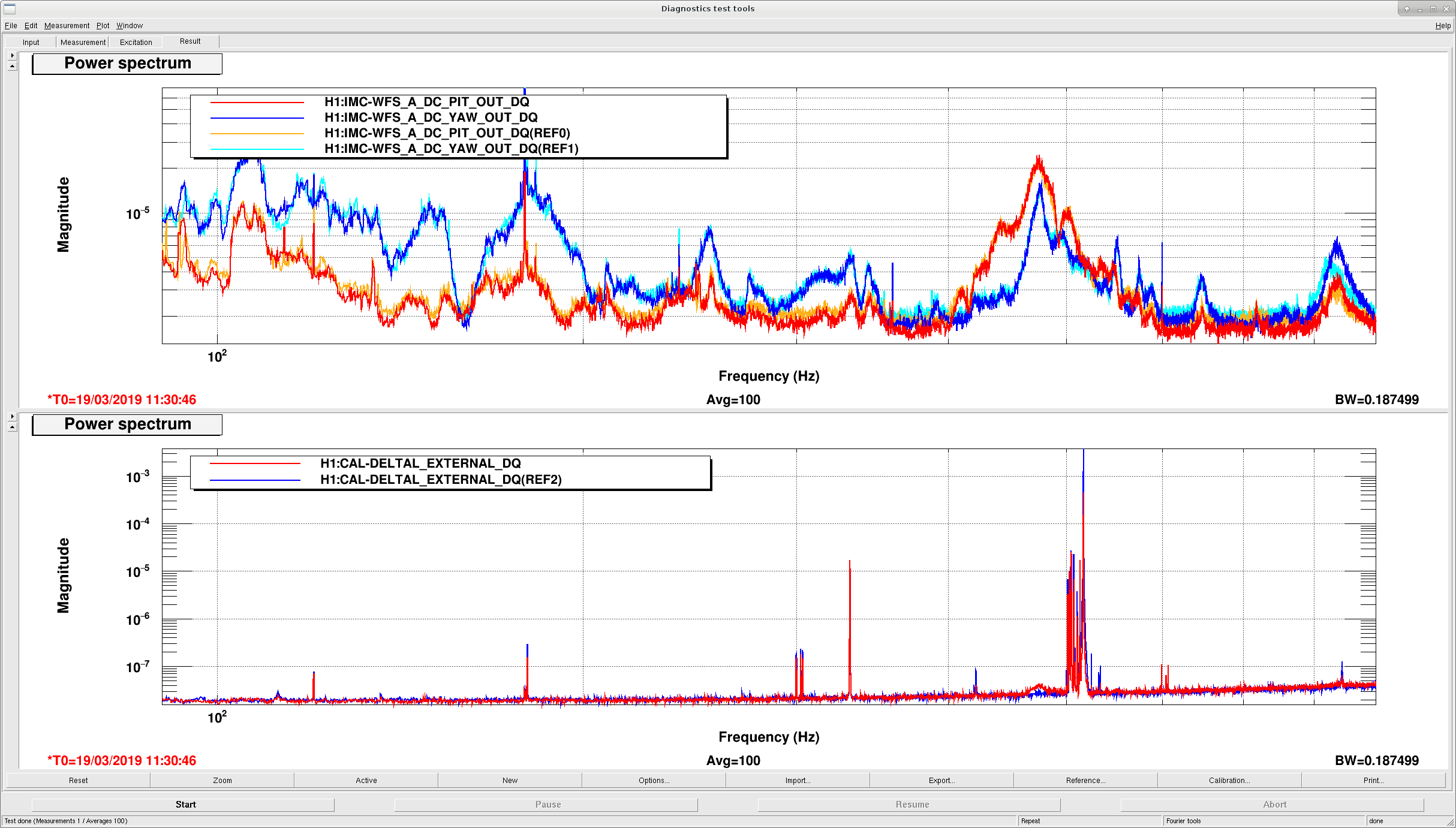
The 480 Hz is a jitter peak (ID'd by Robert here and damped here); the WFS are our best witness of jitter. I had a look at a non peak time (16/03 18:00) and a peak time (19/03 11:30) and the WFS see no difference in the 476 Hz peak, suggesting a coupling change.
Maybe I take my statement about lower coherence with INP1 back. For several locks, even in the absence of any TCS work, we have modest coherence with INP1. I have modified the cutoffs, see alog 47726.
The servo board for the IMC (S/N S1102626) was replaced with the modified spare (S/N S1102627). This implements E1800338-v3 and ECR E1900059.
When the spare is not a spare... The IMC wouldn't lock. I opened the original IMC servo and it has the fast option installed, whereas the spare has not; see alog 29250. The modifications were applied to the original board. Then, the original chassis was put back in.
Also, noticed that some of the modifications were already applied, see alog 31138. However, this was never propagated to the e-traveler.
Here is the comparison with the previous version measured in alog 47485.
There is a significant improvement in IMC_I. The error signal now looks like it is limited by converter noise below 2 kHz. Strangely, there is a set of peaks around 2.5 kHz that are not in IMC-L or IMC-F. There is some loss of coherence between IMC-F and IMC-L between 1 and 10 Hz. This seems again converter noise in IMC-F.
Full bandwidth spectrum.
During today's maintenance, CDSSSH (Remote Login Machine for CDS) was successfully upgraded from Debian 8 (Jessie) to Debian 9 (Stretch) without incident, after the upgrade process, I tested the connection and logged into CDS successfully. Also as part of the maintenance I updated and rebooted EPICS-GW which provides internal epics channel connectivity to the Control Room, During the reboot not interference with the Control Room activities was reported or seen. Also all Workstation and main servers where updated as well. Since the Control Room is now in 24 hours operation setting zotws3 (the main operator workstations) was removed from the scheduled reboot list. Please operators be advice that if reboot is required for kernel or other major updates, manually rebooting ZOTWS3 will be requested as possible.
TITLE: 03/19 Owl Shift: 07:00-15:00 UTC (00:00-08:00 PST), all times posted in UTC
STATE of H1: Observing at 101Mpc
INCOMING OPERATOR: Jim
SHIFT SUMMARY:Some trouble staying in Observing from SDF diffs that would spontaneously pop up faster than they can be tracked, and from violin modes ringing up. There was some TCSX tuning going on which I'm sure did not help the violin modes.
LOG: