J. Kissel, T. Sadecki
We setup the equipment in-chamber for measuring the fully suspended violin modes. We are currently setup on the +X/+Y fiber and a preliminary look at the spectra looks good. Jeff will proceed with getting the full set of data on Monday as he is going to run some health check TFs before proceeding further.
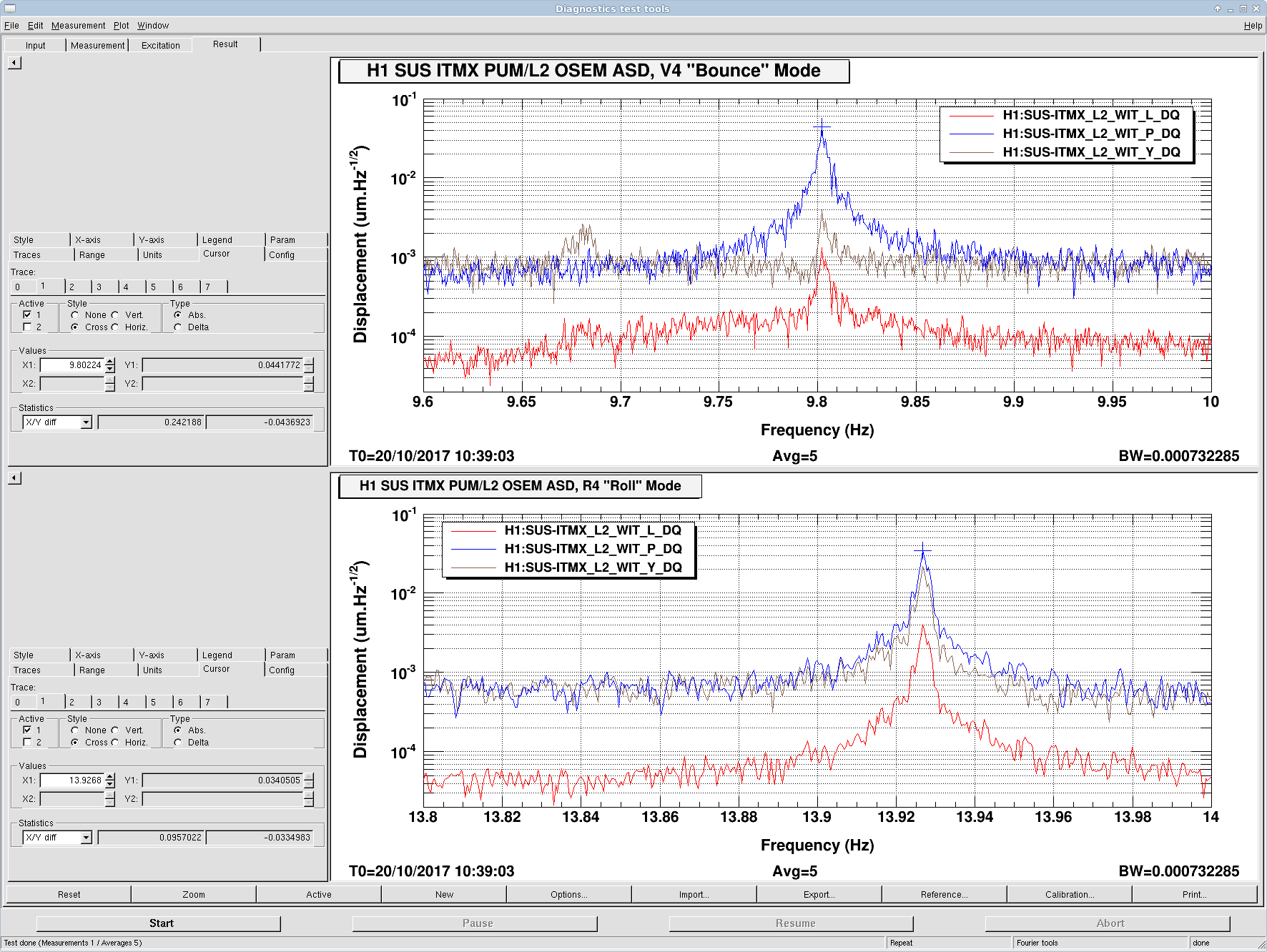
J. Kissel I've taken an over-night (un-driven) ASD of the recently aligned L2/PUM OSEMs on the newly freely suspended H1 SUS ITMX, on the hunt for its new highest Bounce and Roll (a.k.a. the V4 and R4) modes. Attached are the results, which clearly show these modes, and they're well resolved in frequency with high SNR. The following are these frequencies in tabular form: Former values (Hz) New Values (Hz) V4 9.8469 9.8022 R4 13.978 13.927 We'll use these new frequencies to tune up the Bounce & Roll mode dampers that are to be installed in a bit.
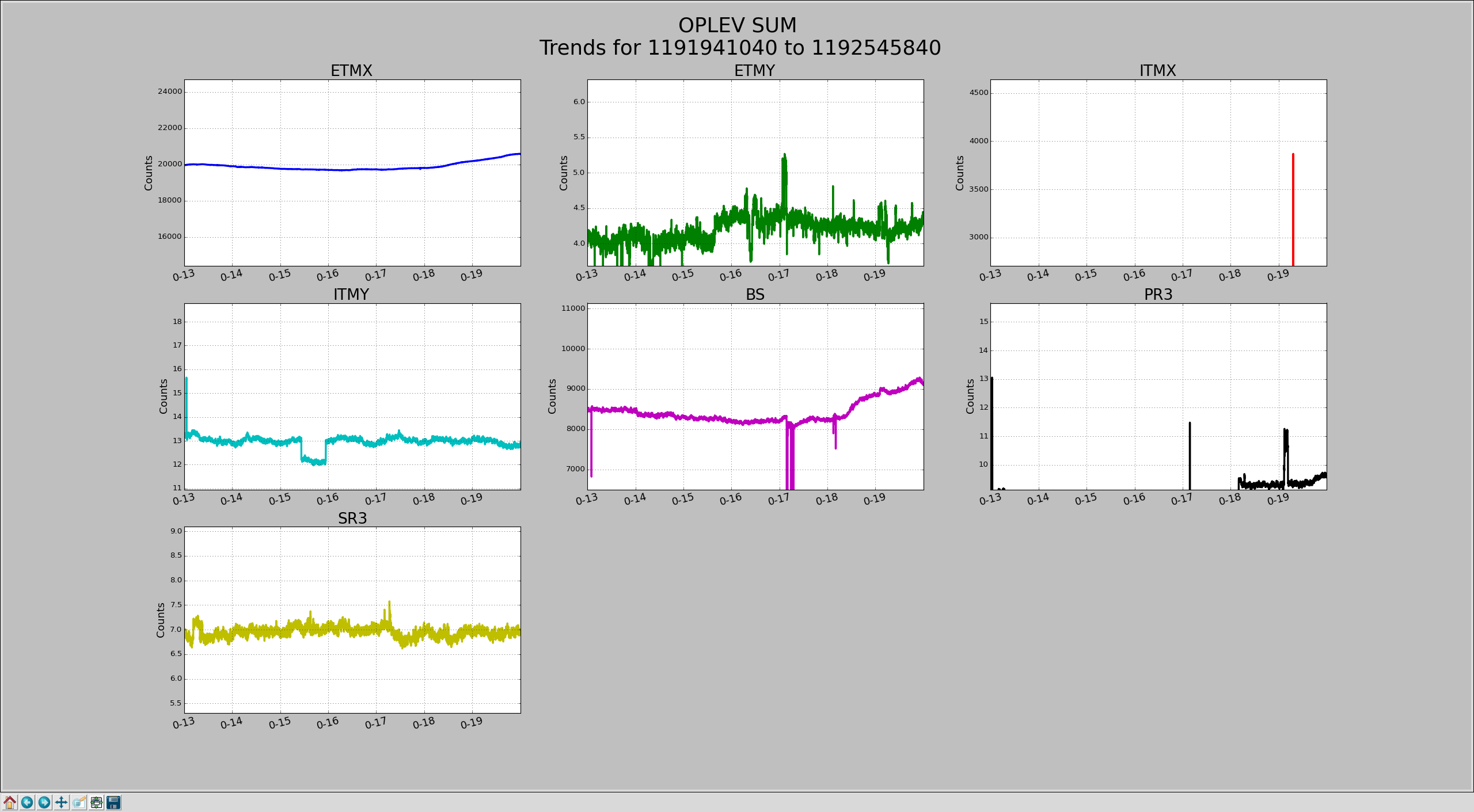
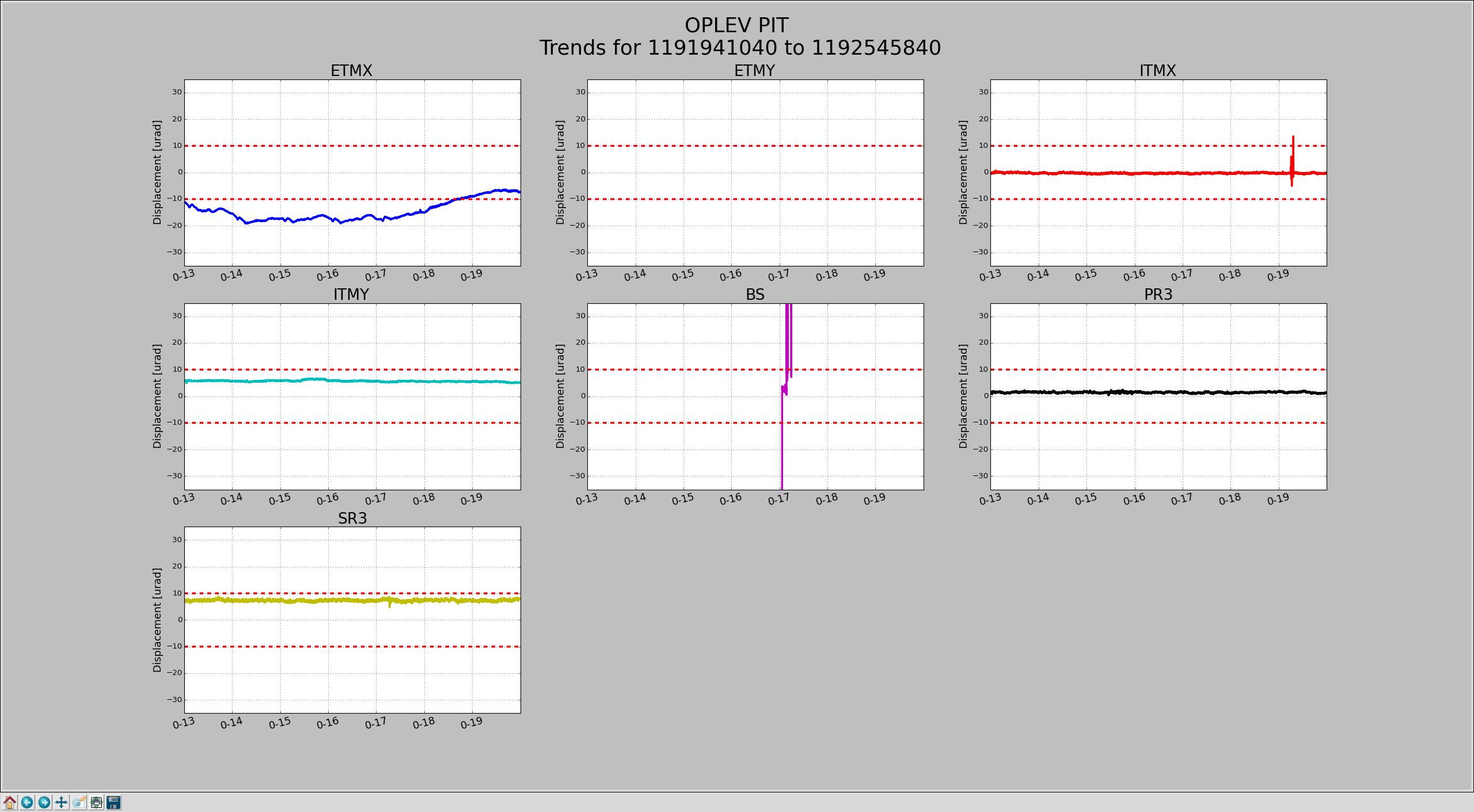
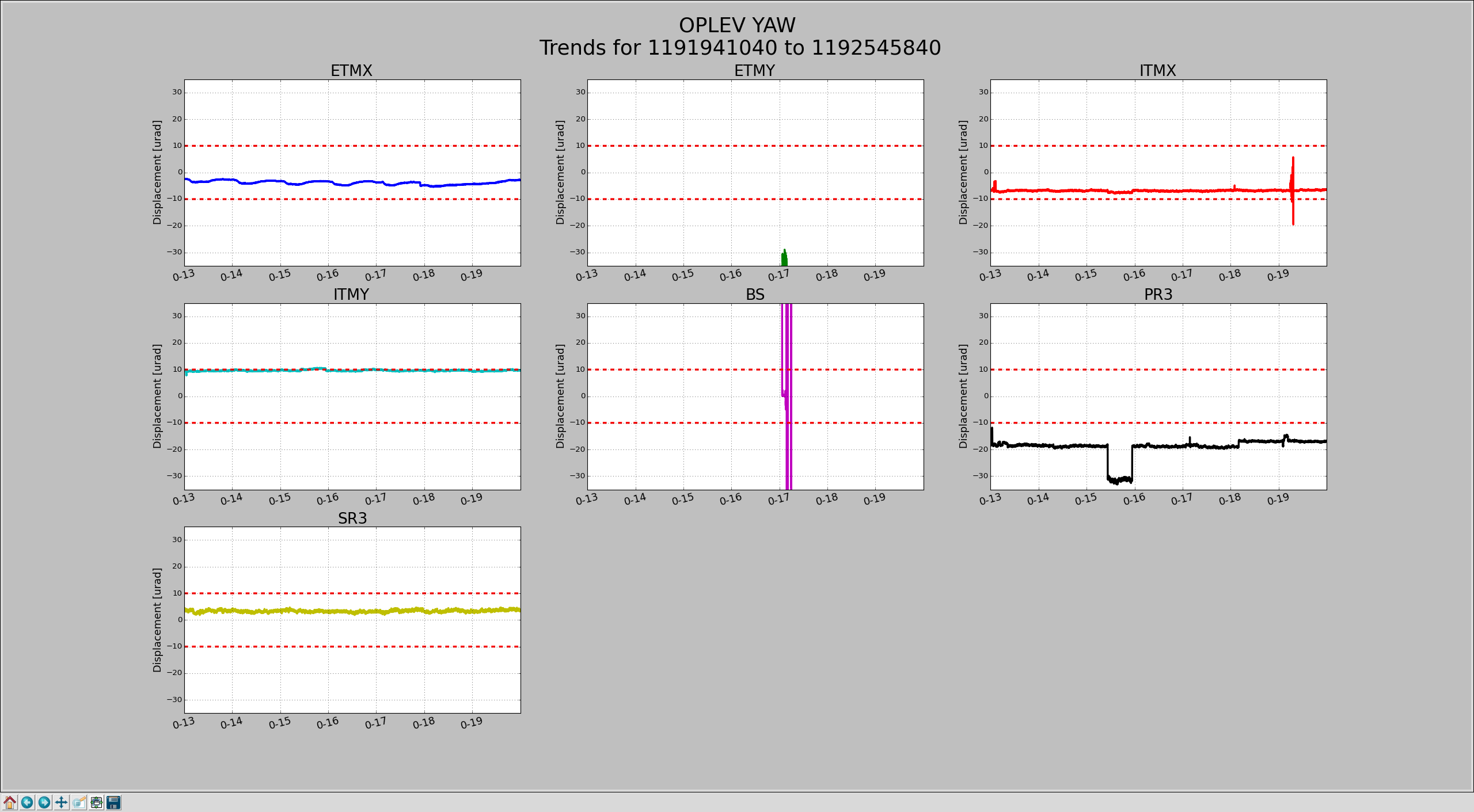
Since many of the oplevs are either turned off or grossly misaligned, both due to ongoing vent work, I'm going to deactivate this FAMIS task until the oplevs are turned back on and relaligned after the vent.
Right. I questioned Corey about other trends that are seemingly not useful at present (perhaps they still are?) and he said that that upper management wanted them to continue. In the case of the oplevs, I know that Jeff K. would still like to see the ETMS report.
TITLE: 10/20 Day Shift: 15:00-23:00 UTC (08:00-16:00 PST), all times posted in UTC
STATE of H1: Planned Engineering
OUTGOING OPERATOR: None
CURRENT ENVIRONMENT:
Wind: 9mph Gusts, 6mph 5min avg
Primary useism: 0.05 μm/s
Secondary useism: 0.68 μm/s
QUICK SUMMARY:
Subbing in for Cheryl. High winds overnight have calmed. uSeiesm has leveled off just above te 90th 5ile line with EQ bands sympathizing with the elevated motion.
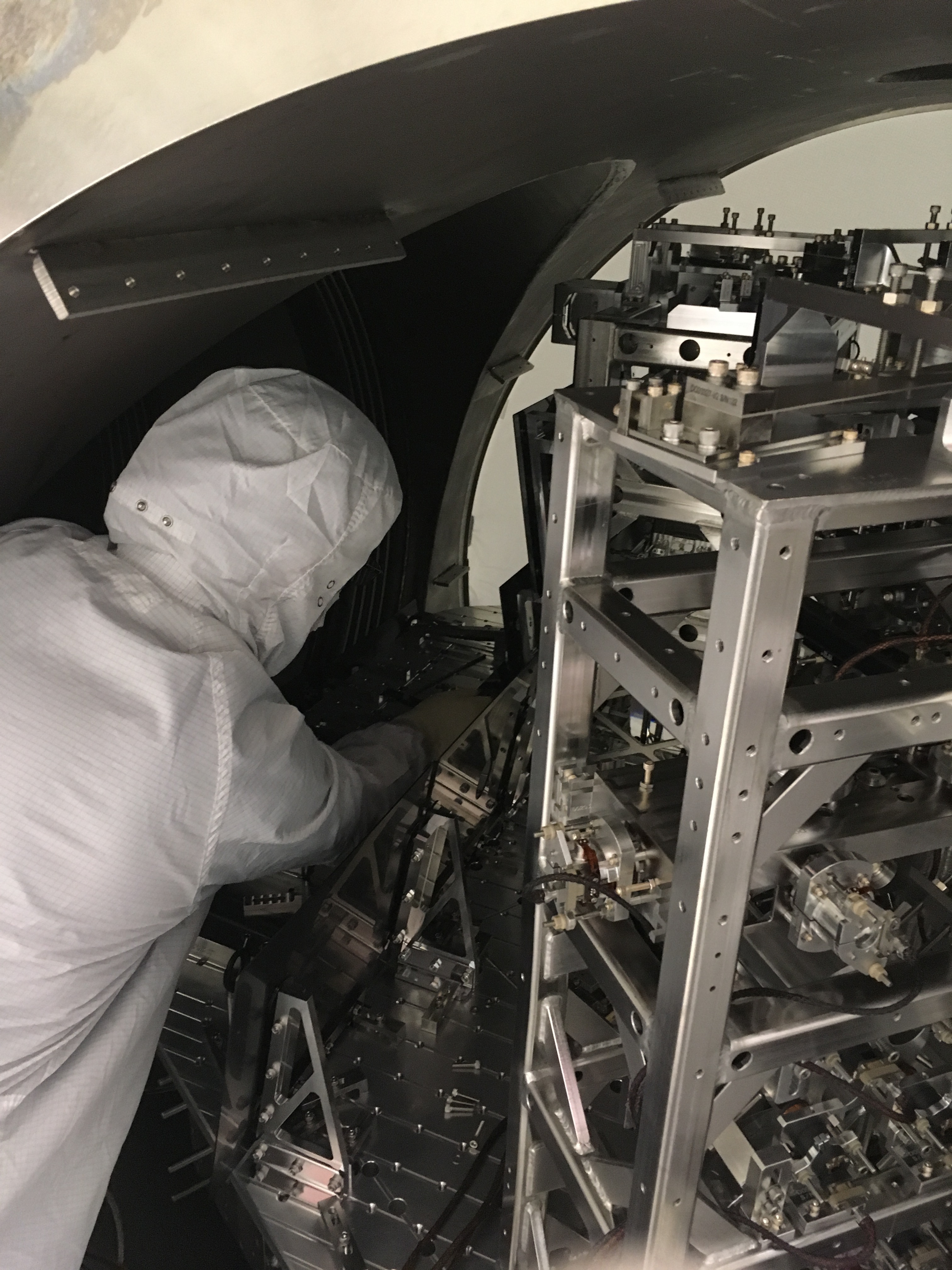
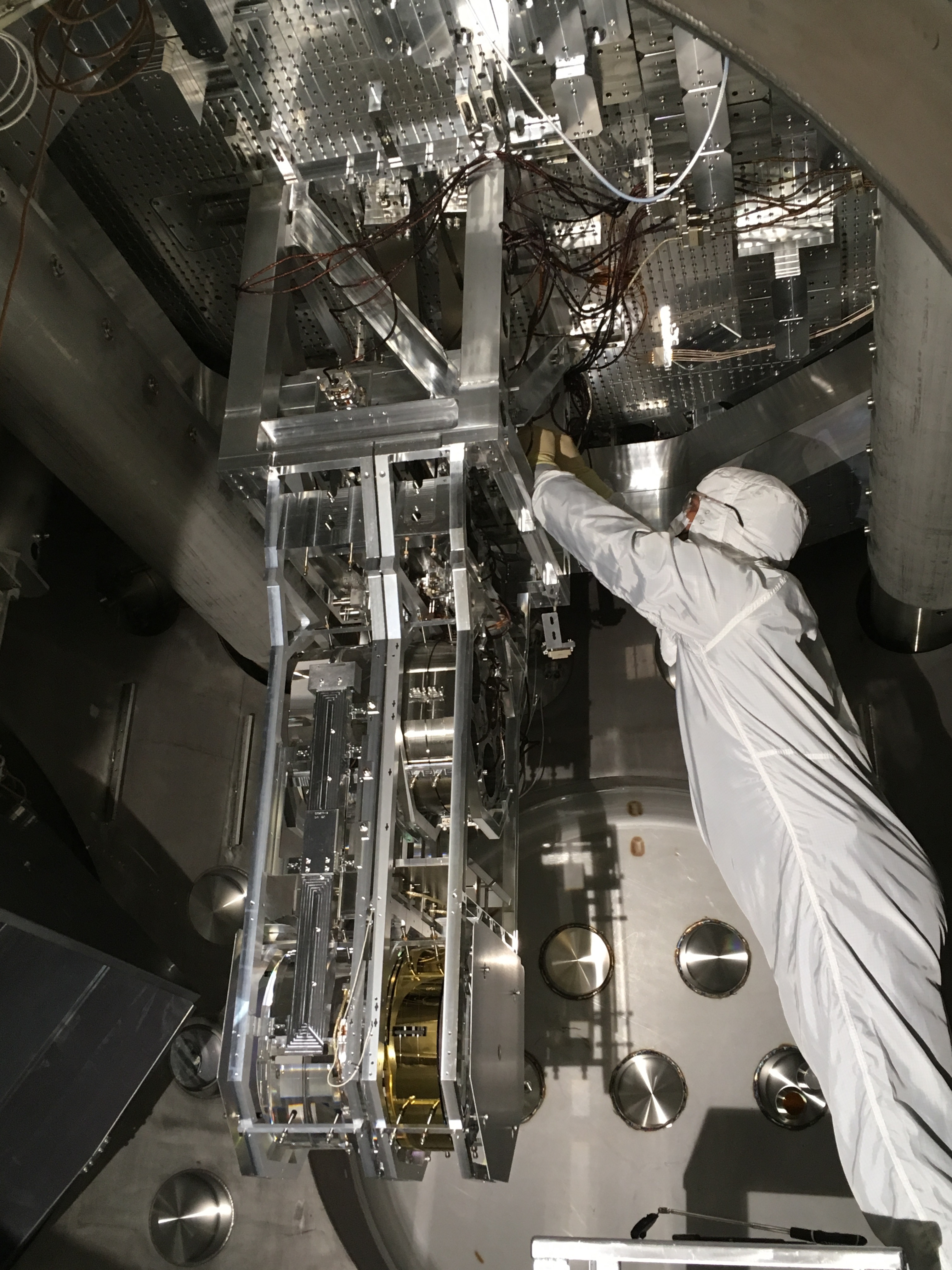
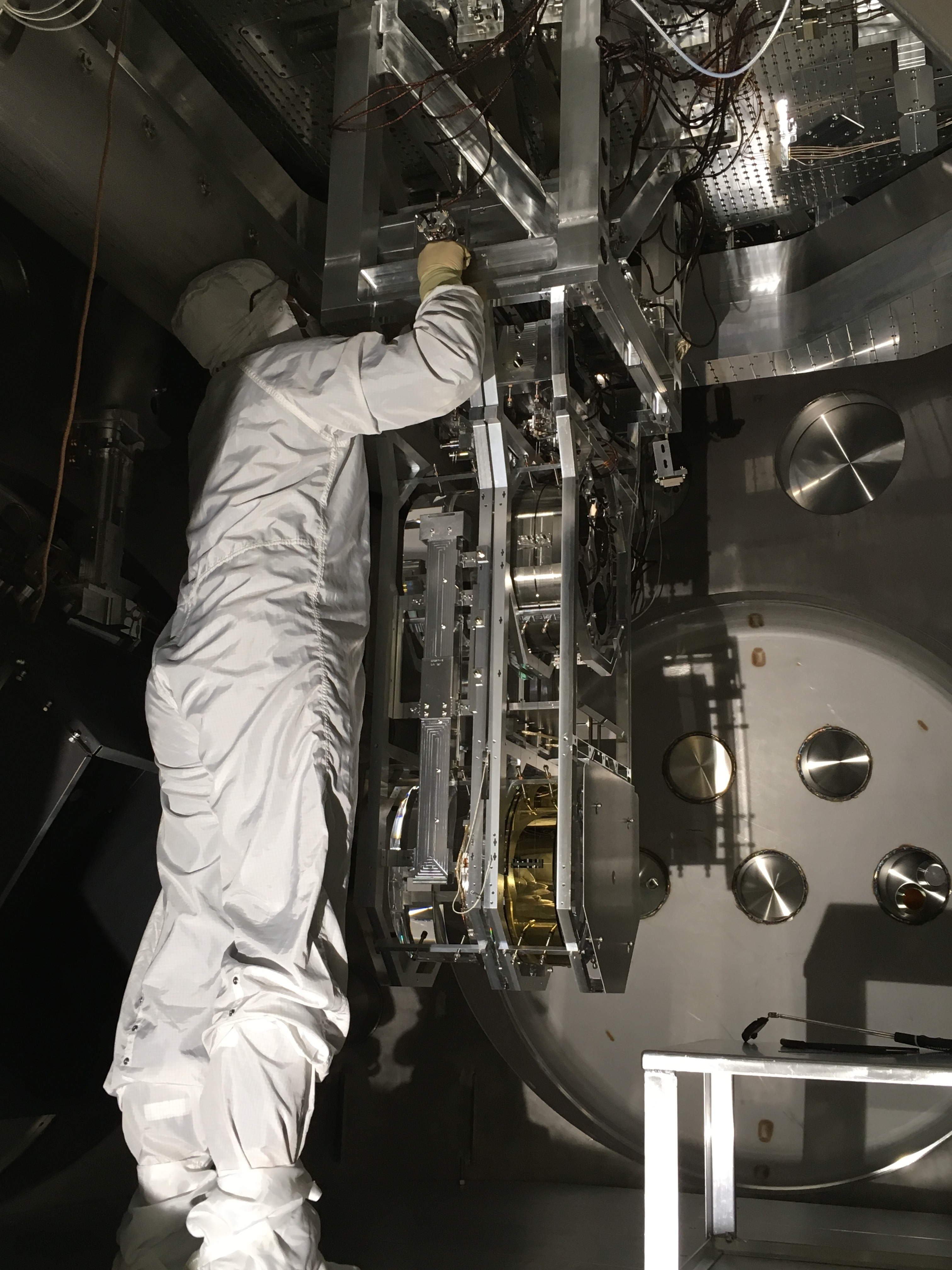
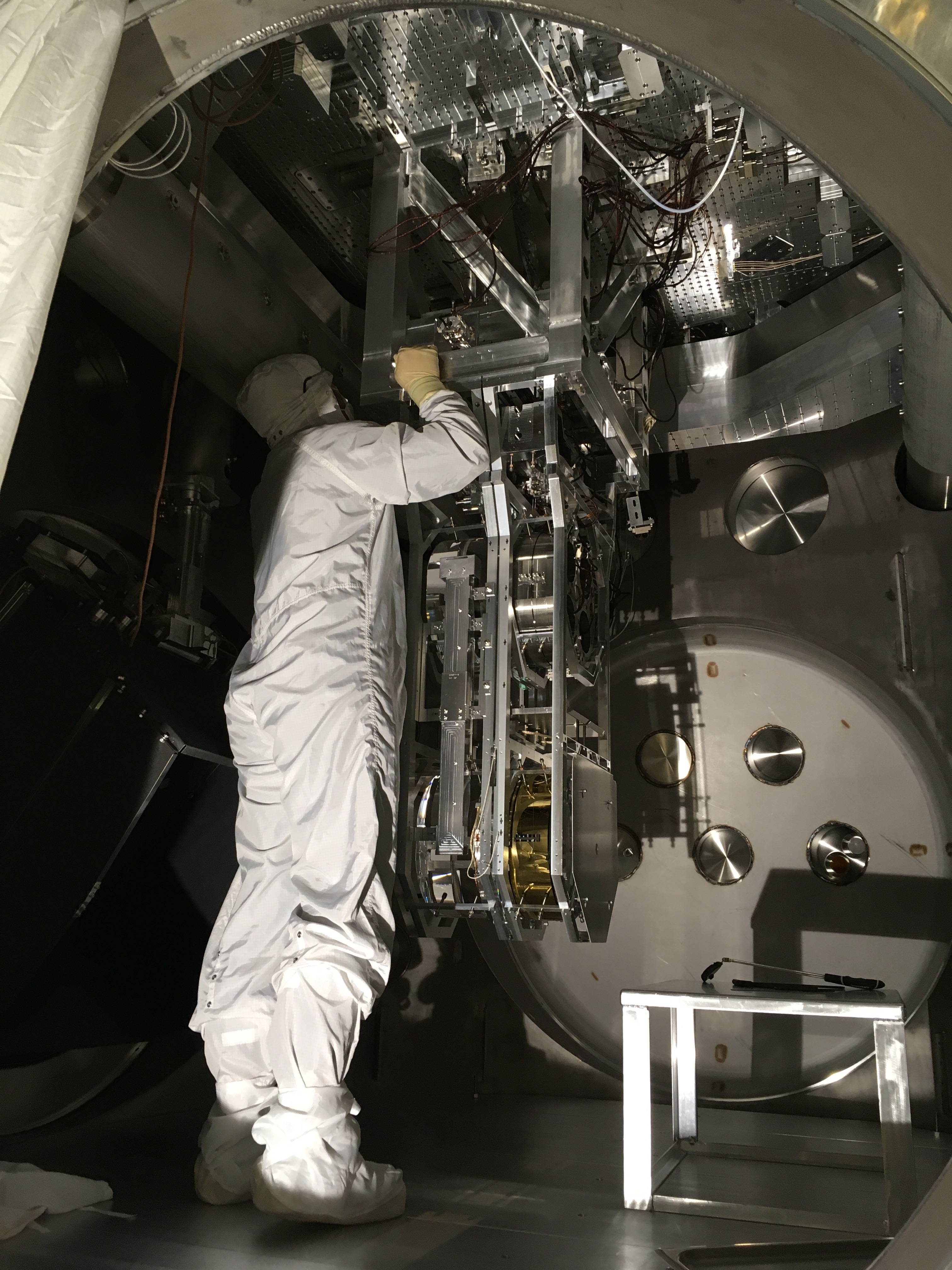
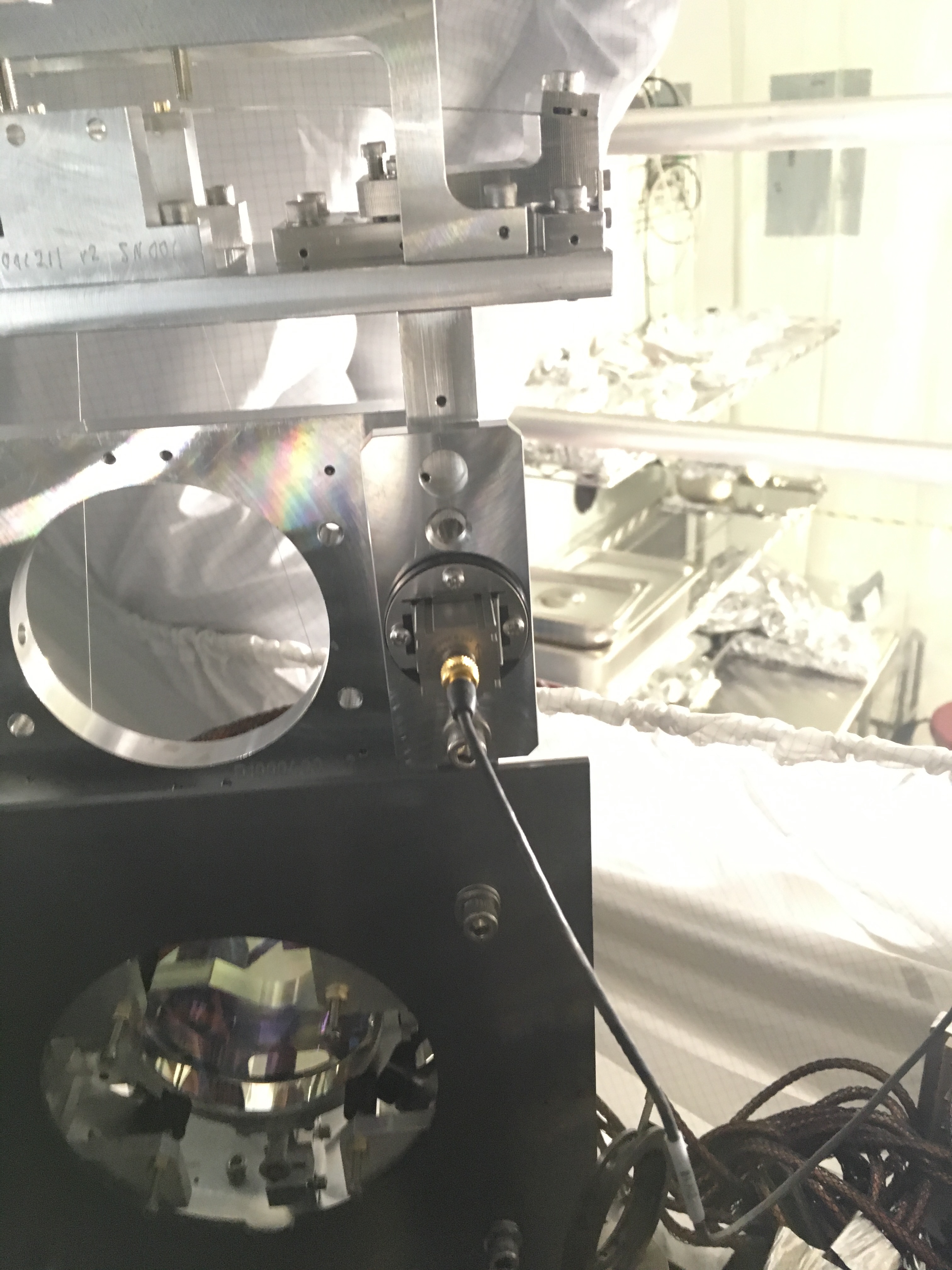
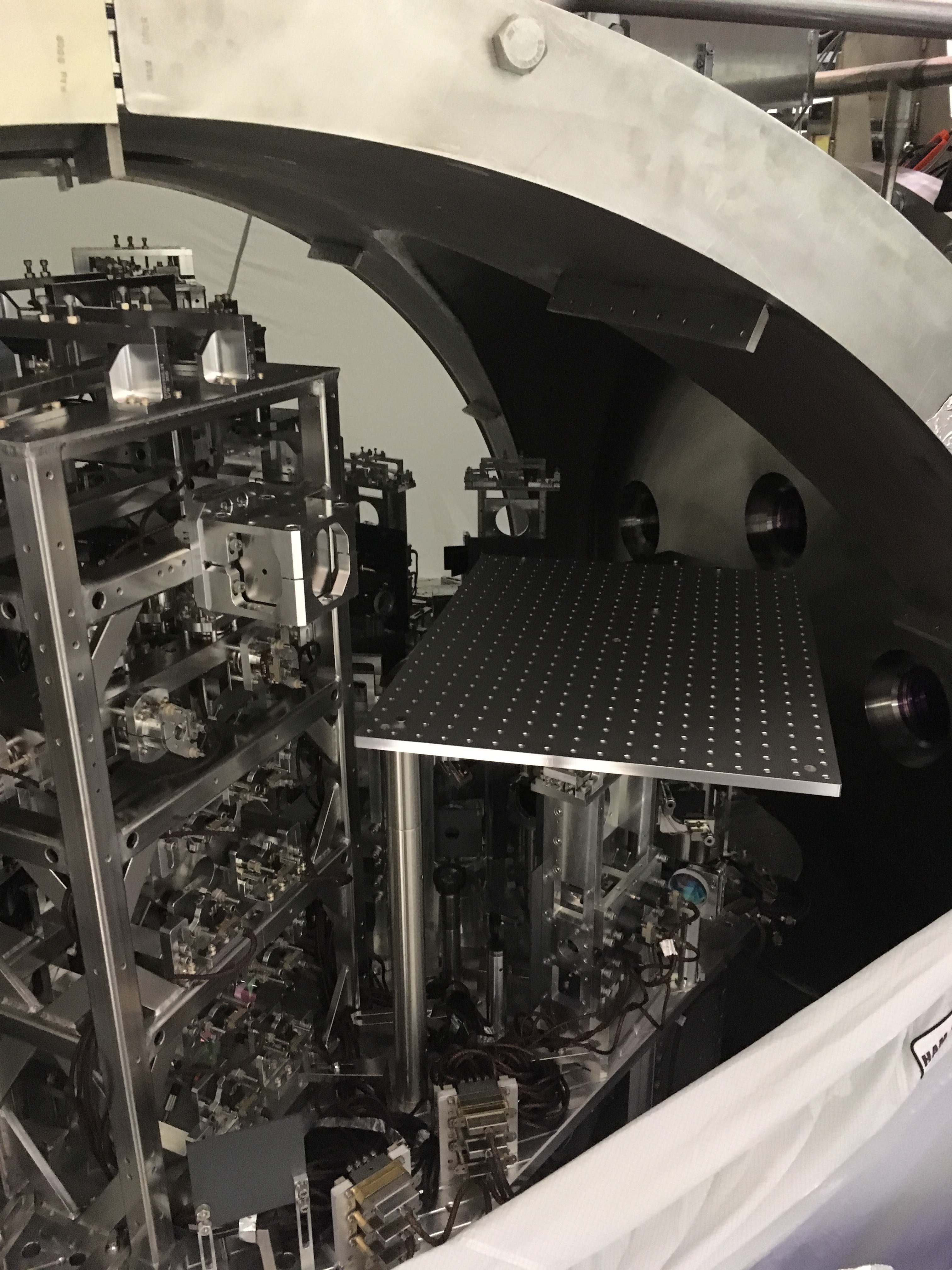
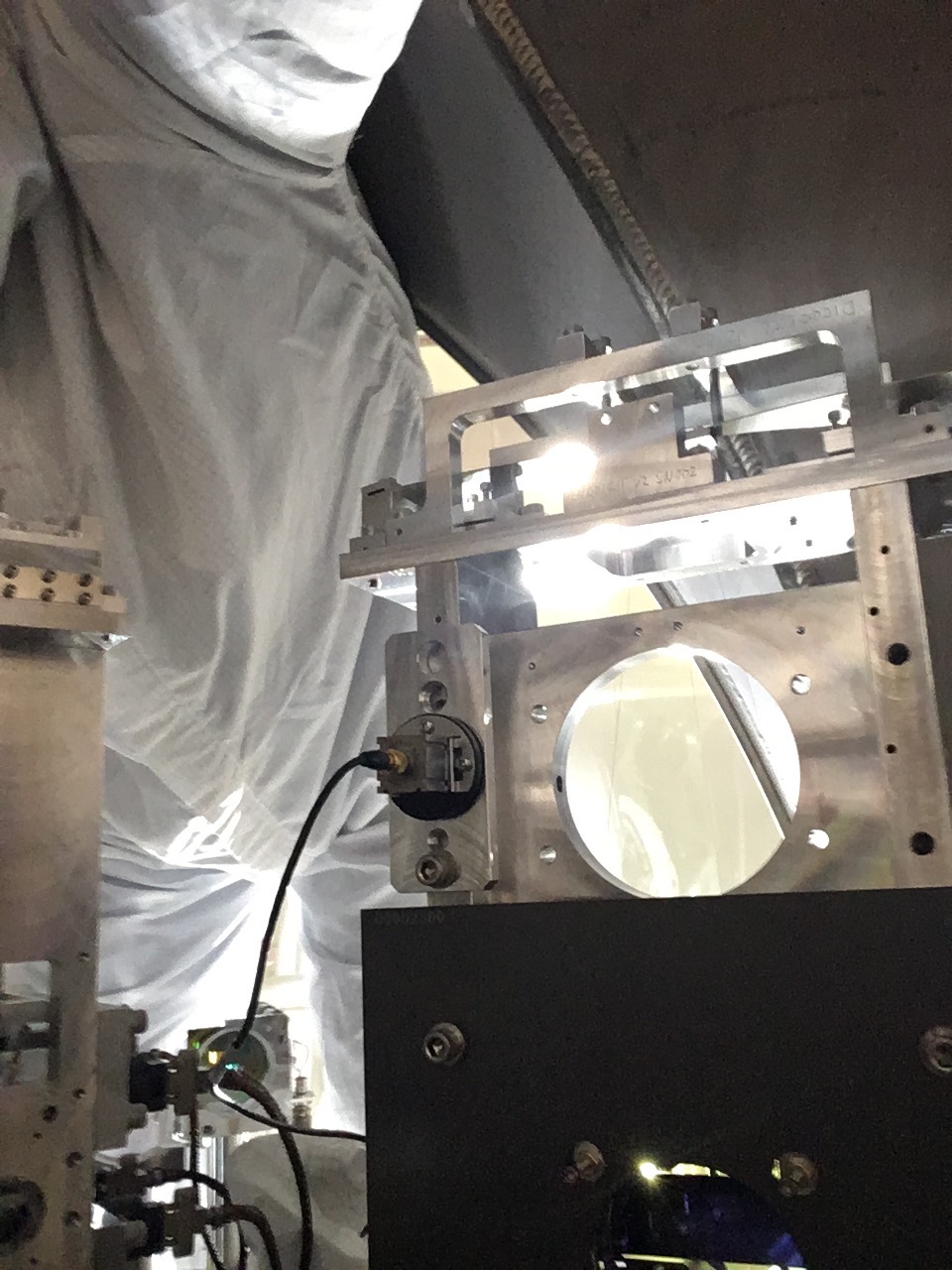
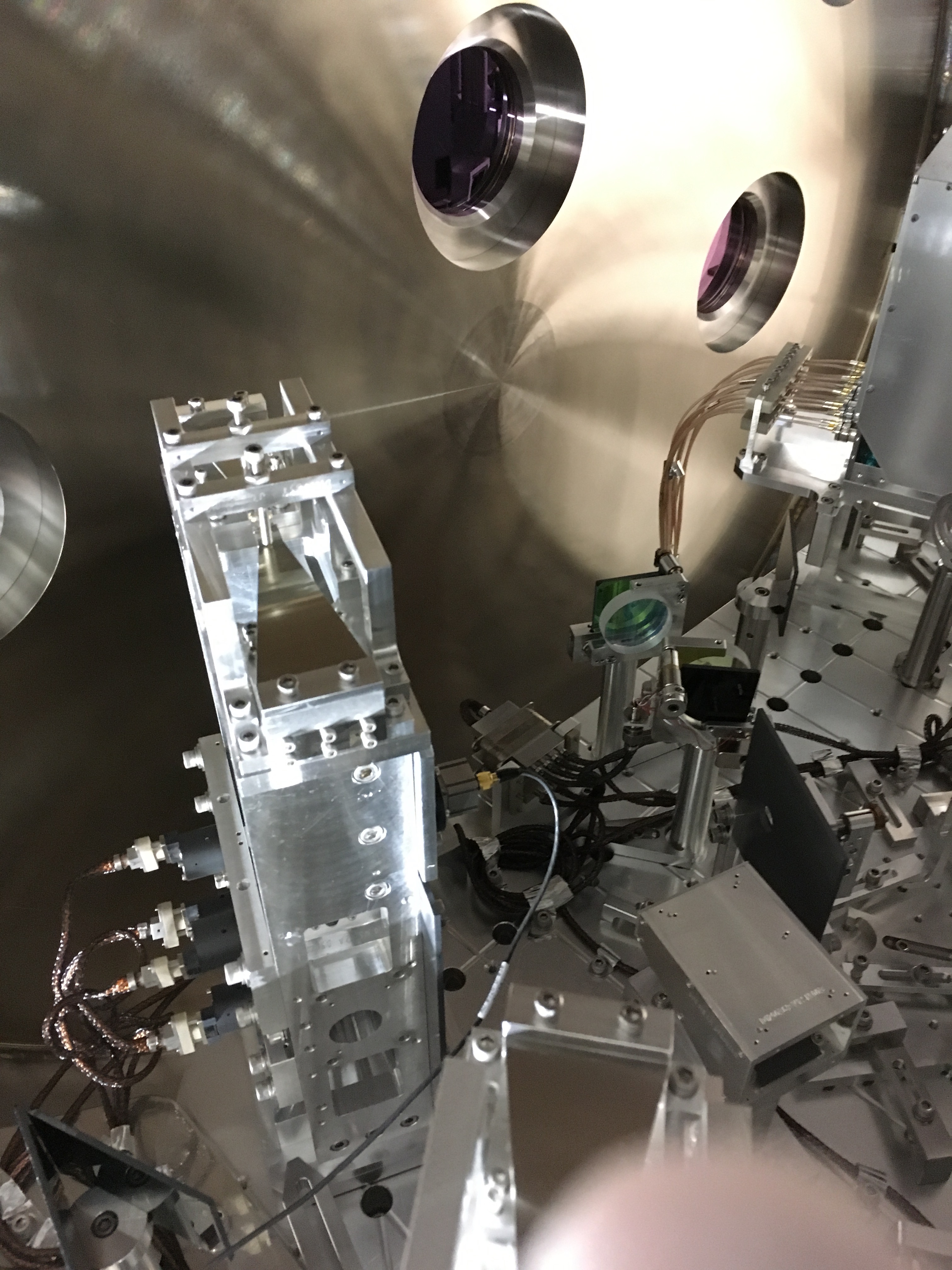
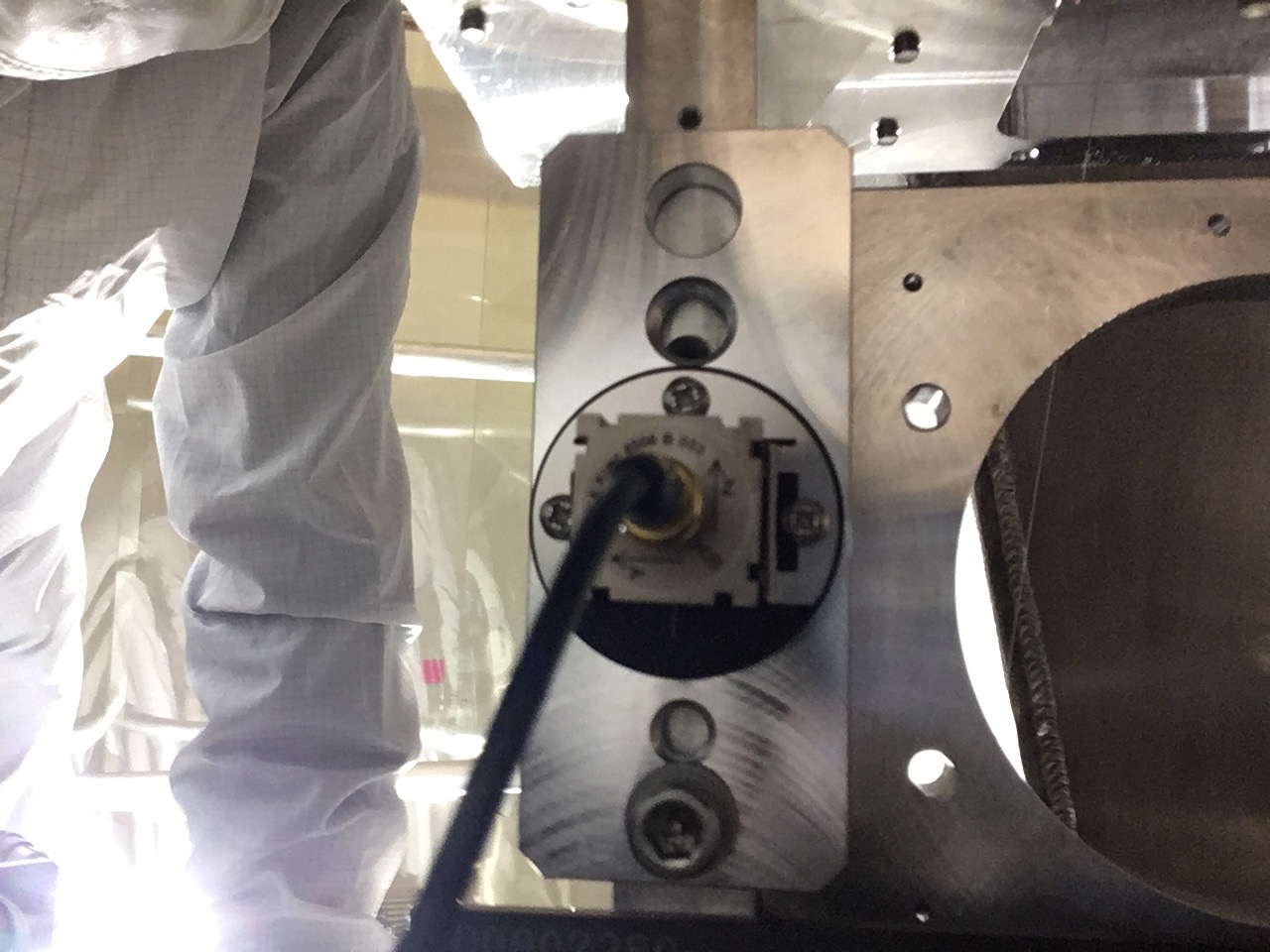
J. Kissel quoting J. Warner "MC baffles were assembled last night, I dogged them this morning as well as the ballast mass baffle. TJ reinstalled PR3 lower baffle after TCS work was done and beard baffles were done last week. The only outstanding HAM2 baffles are PRM, which is waiting for parts, and table baffles that will probably be in the way of everyone else, but will only take minutes to install." I post a few pictures I caught of him during the install. Jim's got a few more on his phone that he may post later.
J. Kissel, T. Sadecki
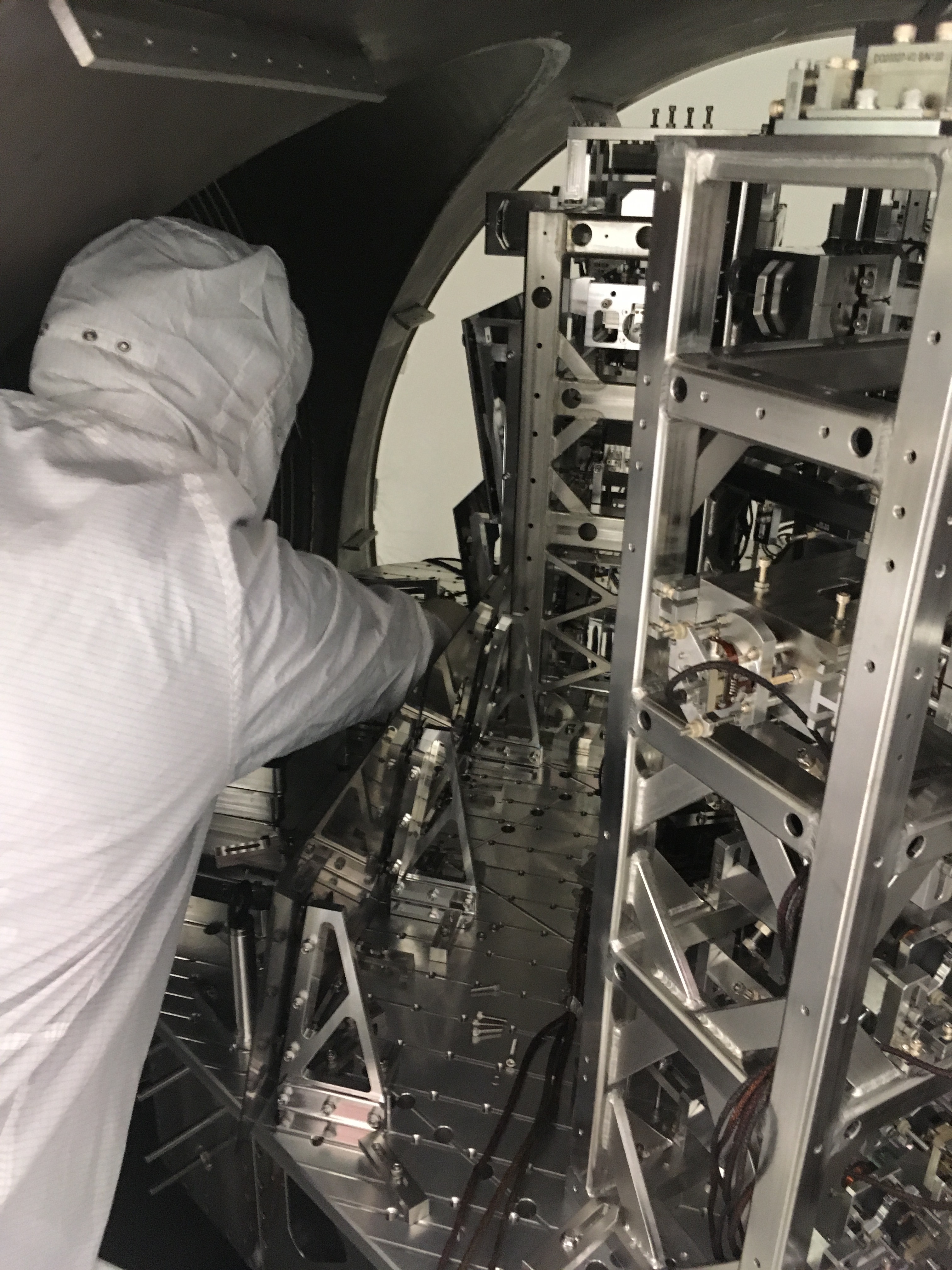
Today, we adjusted the pointing of the ITMx TM to get the OpLev beam out of the receiver viewport that houses the OpLev PD. We then aligned the reaction chain such that the CP HR reflection overlaps with the TM AR reflection, thus ensuring parallelism of the inner surfaces at the TM level. We did not check the 20mm spacing between the chains as time was running short for the day, so we'll have to re-assess that at a later time. This was mostly a check that we had range in the pitch and yaw adjustment to get us where we need to be. We did, but just barely, as we used up most of the four main chain fine pitch adjuster ranges to get us there. We then reinstalled and centered the top mass BOSEMs for both chains and the PUM AOSEMs. We did not bother with the most fussy, UIM level BOSEMs as Jeff noted that for the bounce/roll mode measurements we need to tune BRDs, the PUM OSEMs will suffice. Next up: run TF measurements to check for overall health/rubbing, take bounce/roll measurements for BRD tuning, and set up for the final round of fully suspended violin mode measurements.
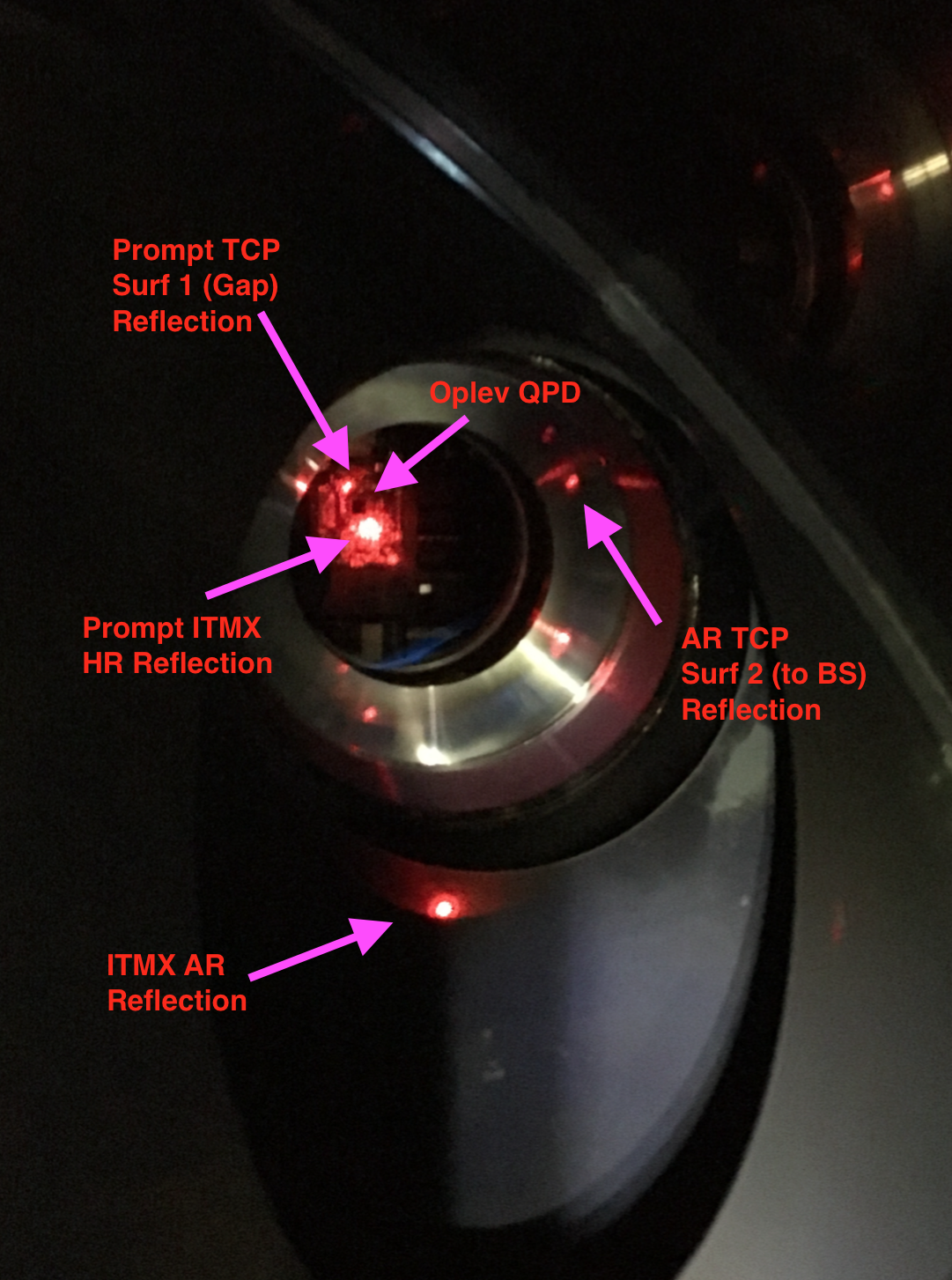
Some pictures and a video of the resulting alignment of the ITMX chains to the optical lever QPD. In this picture & video, I'm down the X-arm's spool piece (+X of the beam splitter), looking at the -X, +Z (global IFO coordinates) corner of the suspended cryo-pump baffle, and the in-vacuum side of the viewport that houses the optical lever QPD. Watch the video, but have the picture with labels next to the video to help guide your eye. The slower moving, vertical-only, cluster of beams (of which there were four visible, the top the brightest, decreasing in brightness) are the reflections off of the test mass / main chain. We assumed - the brightest of the four was the prompt reflection off of the HR surface, - the second brightest (one lower) was the reflection off of the AR, down-wedged surface, - the third and fourth being further internal reflections off of the AR surface. The faster moving grid of beams are reflections off of the Thin Compensation plate (TCP) / reaction chain. We assumed - the highest (+Z) and furthest left (+Y in global coordinates) of the grid is the prompt reflection off of Surface 1 (i.e. that closest to the test mass) - the furthest left (+Y) vertical column of the successively dimmer spots is the prompt reflection off of Surface 1 of the internal reflections of the HR surface of the ITM described above. - each successively dimmer column to the right (toward -X) are internal reflections of all of the above, from Surface 2 (i.e. that closest to the beam splitter) which is horizontally wedged toward (-Y) Given the above assumptions, we aligned the brightest slow moving spot (HR of ITM), and the brightest, left-most fast moving spot (Surf 1 of TCP) as close as possible to the Oplev QPD.
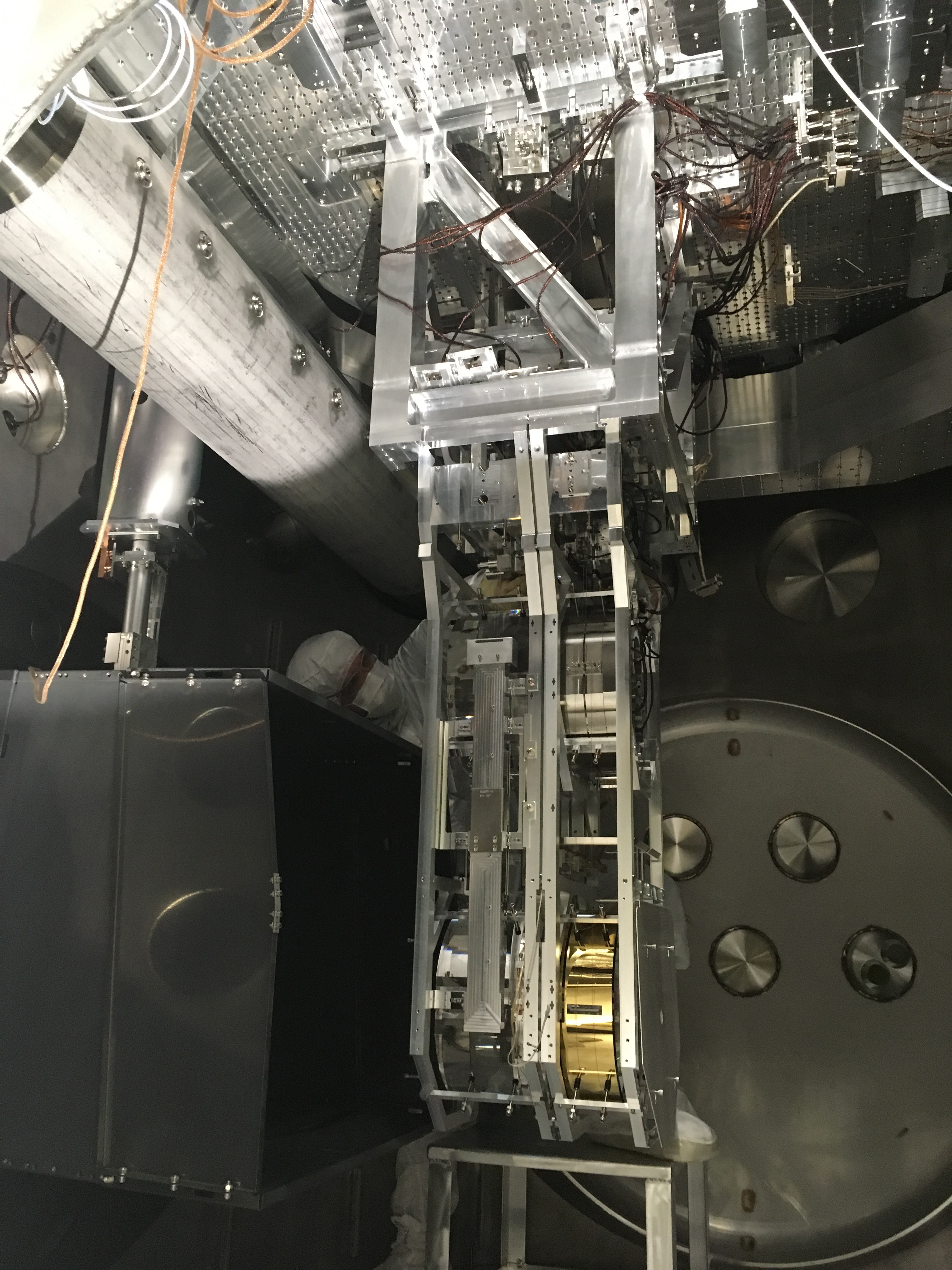
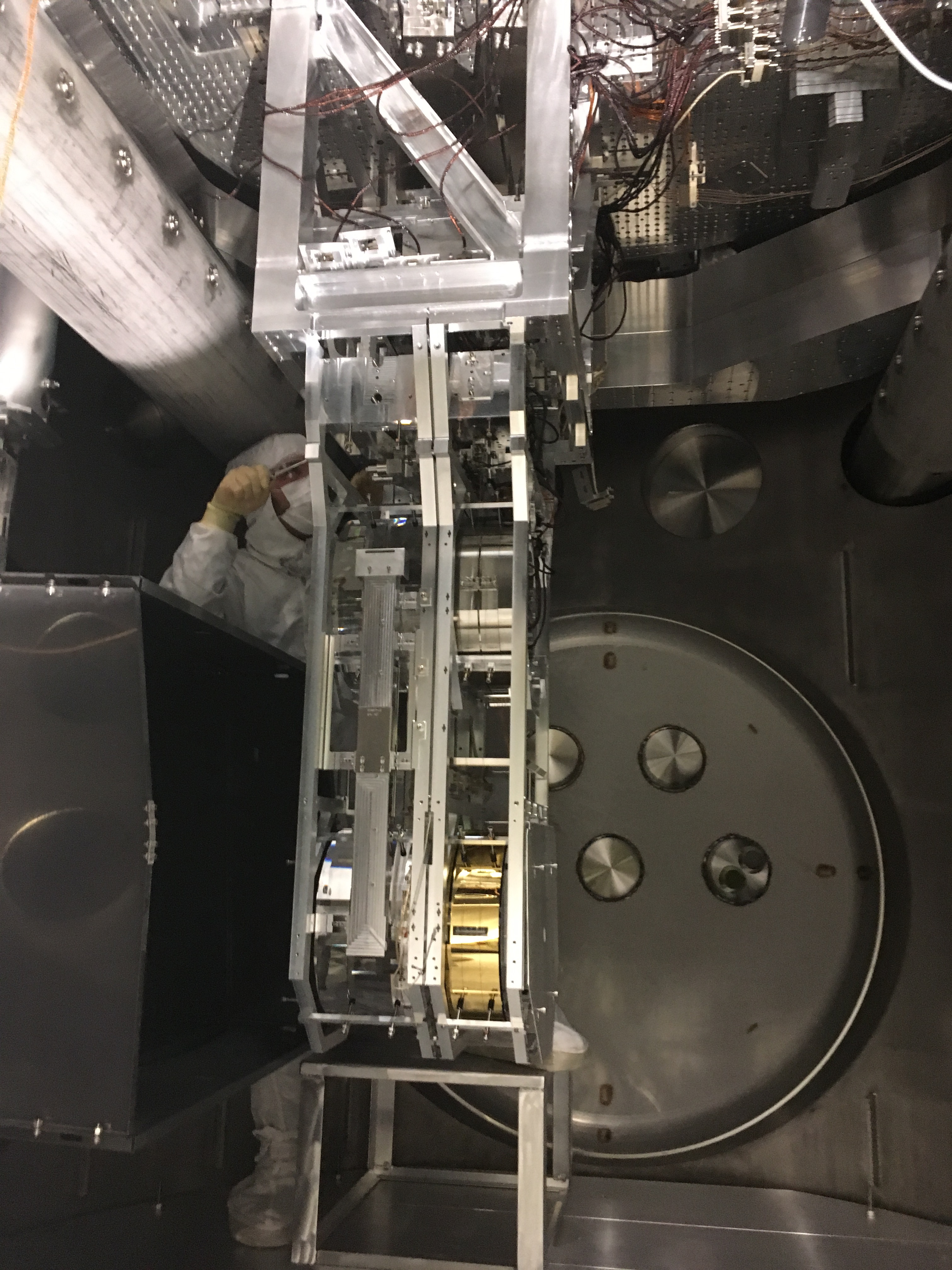
Some more pictures of Travis performing alignment and installing/centering OSEMs.
There was a slight misunderstanding regarding which beams we were supposed to make overlap that I only noticed when perusing Jeff's photos. Jeff was directing me to align the CP Surface 1 (HR) reflection to the ITM HR reflection. According to E1200951, section 7.1.10, the CP should be aligned to the ITM AR surface, therefore the CP HR and ITM AR reflections should overlap. We'll revisit this alignment next week since only the reaction chain will need realignment, which would have happened regardless due to further tuning of UIM OSEMs, etc.
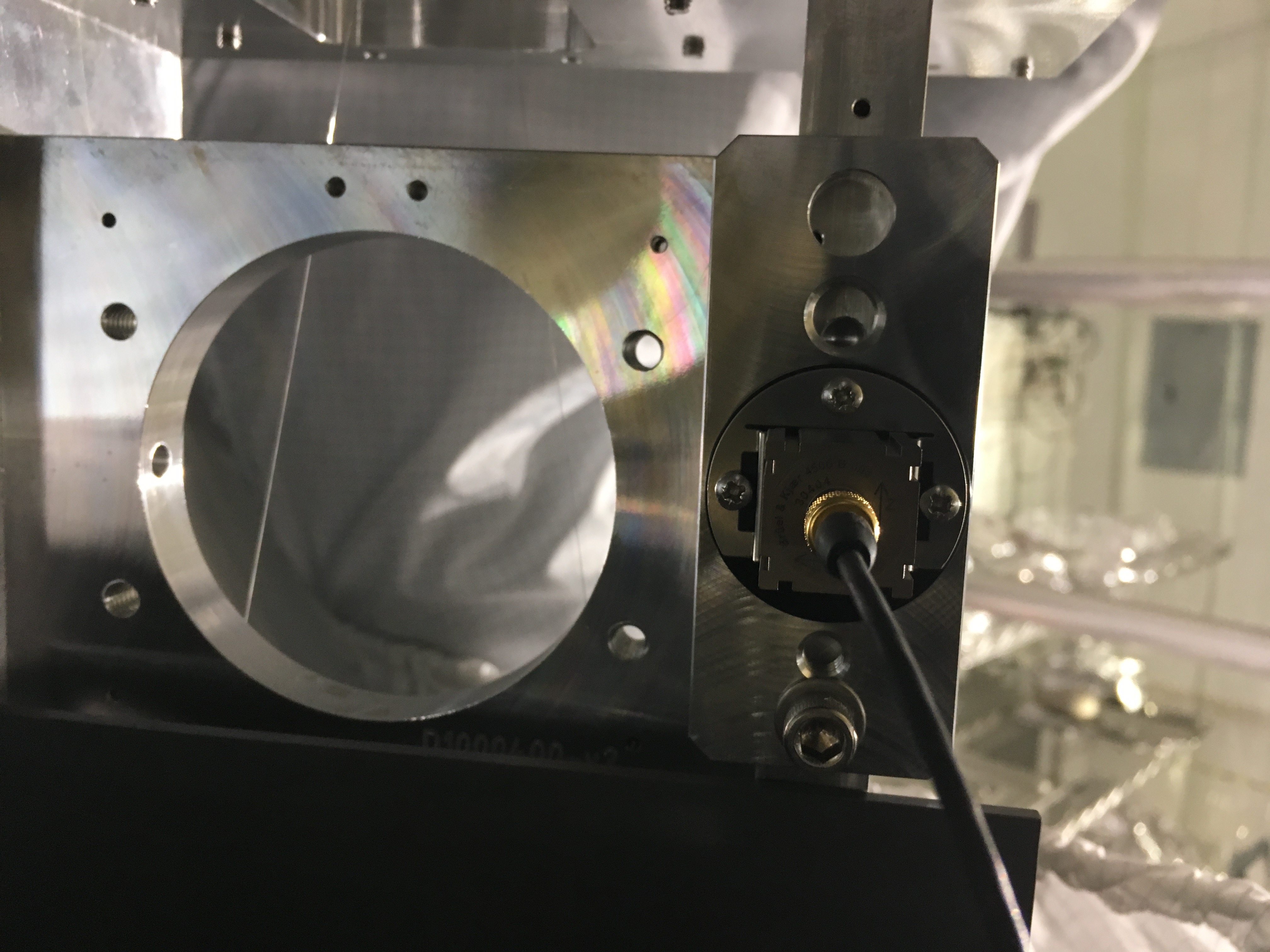
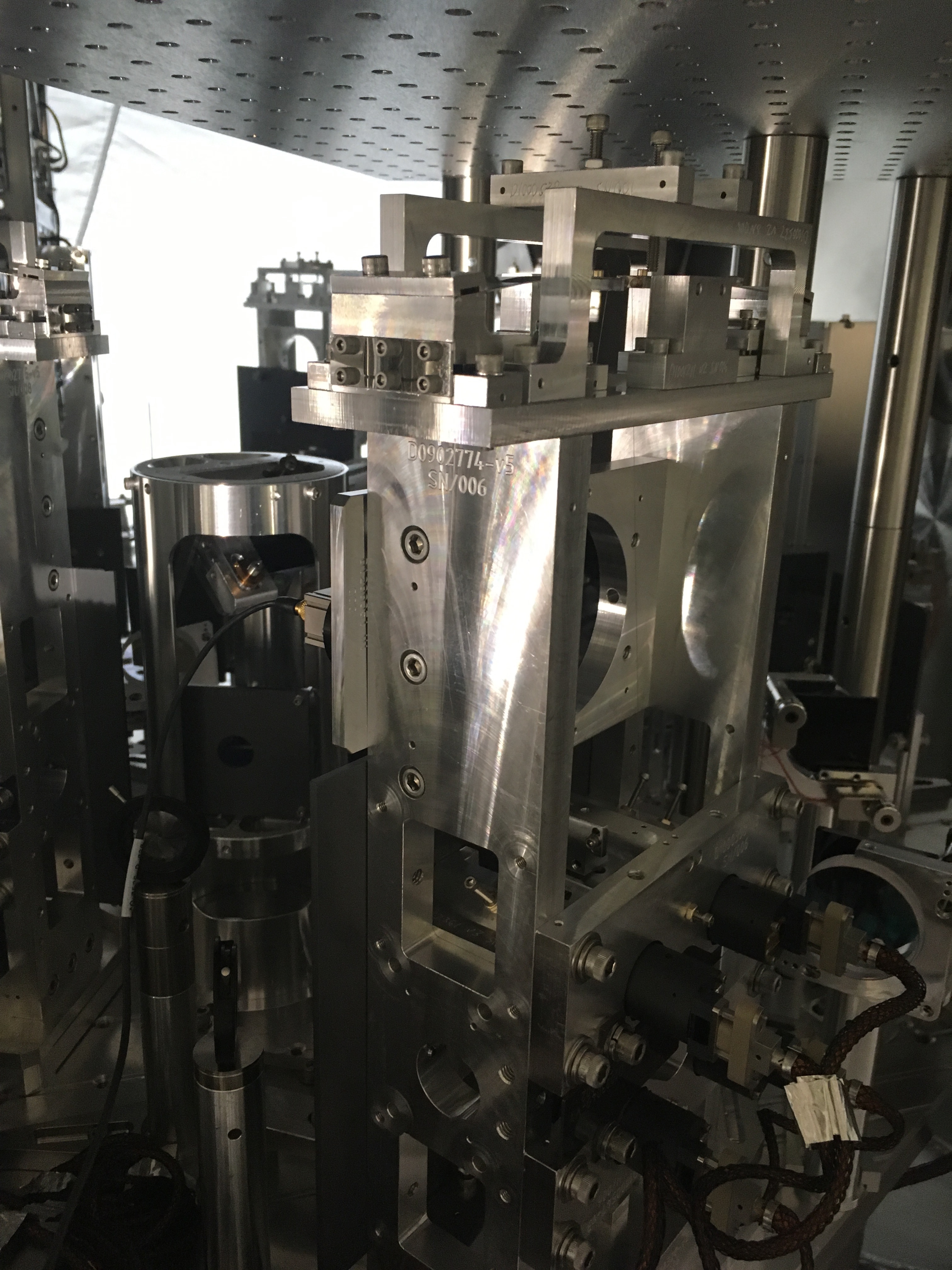
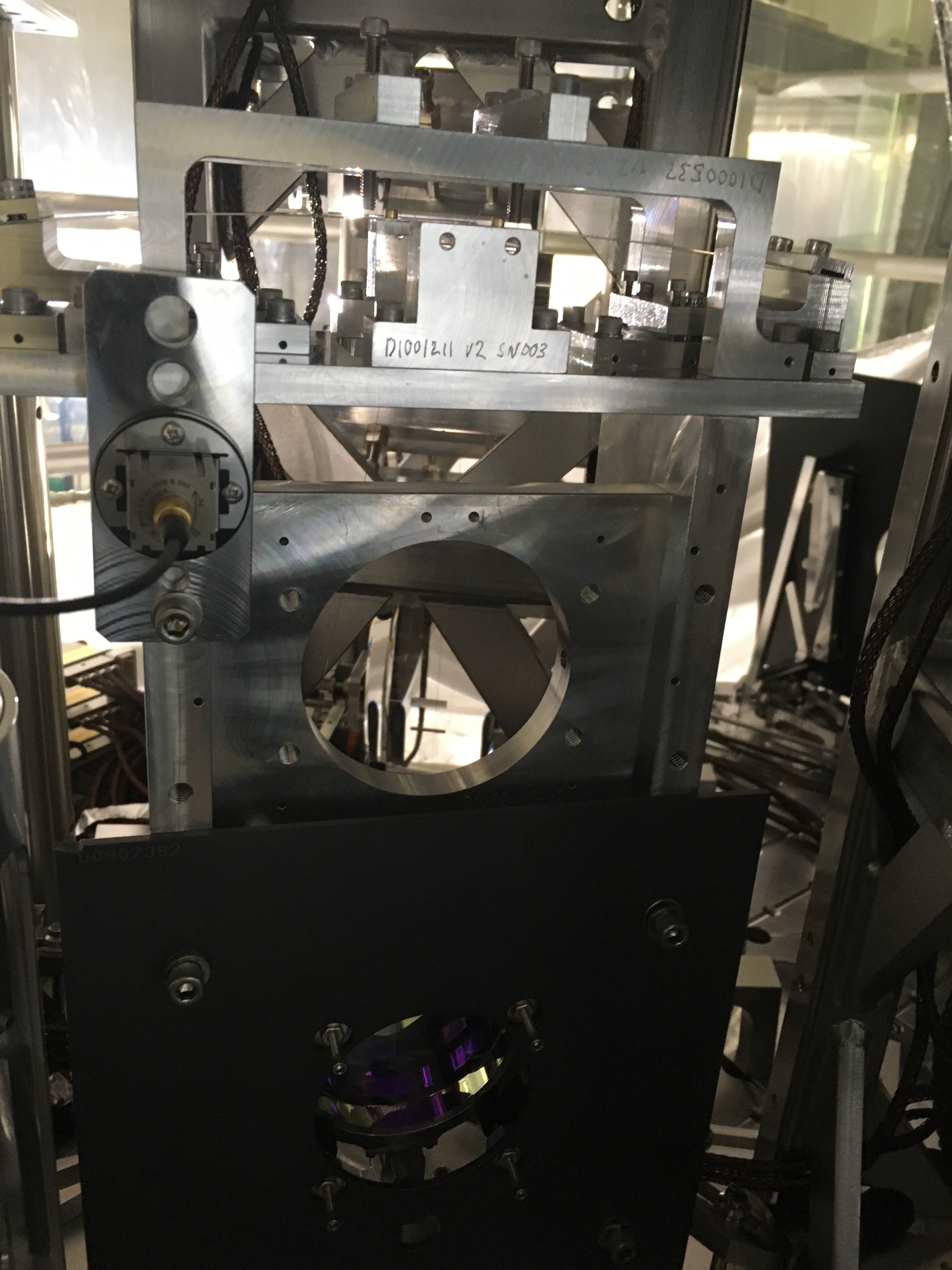
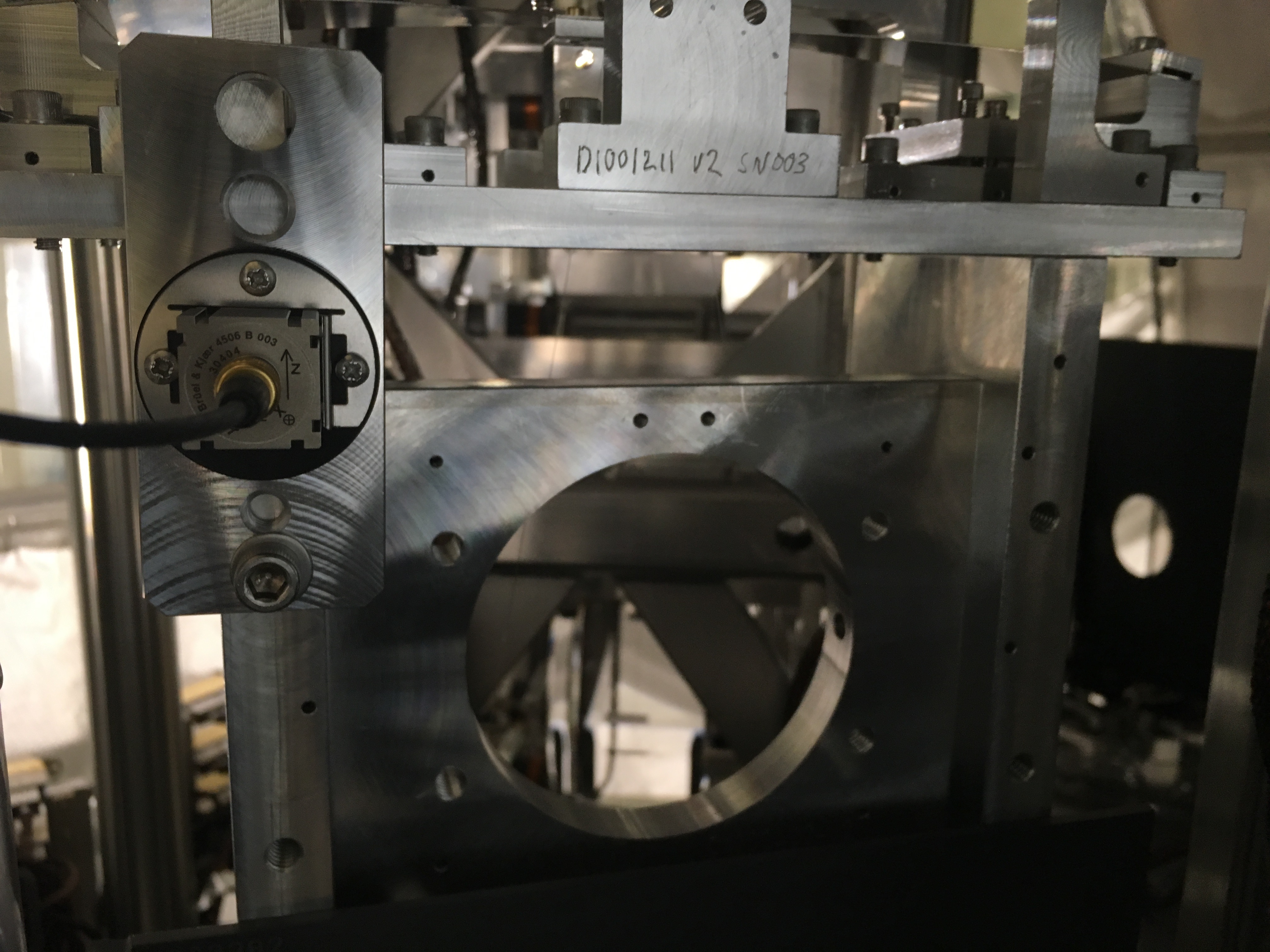
J. Kissel Following the same sensor locations and hammer hits as in LHO aLOG 5652, I've B&K hammered IM1 and IM3. Attached are pictures. IM1 are the first three. The next two are IM3. I must give props to Cheryl for the design and installation of the breadboard leaner plate -- I used it extensively to hammer IM3. I attach some pictures at the tail end for those who haven't see it. (It's also the reason why the MC bypass is no longer in place.) Processed results and comparisons with previous results will come in due time.
TITLE: 10/19 Day Shift: 15:00-23:00 UTC (08:00-16:00 PST), all times posted in UTC
STATE of H1: Planned Engineering
INCOMING OPERATOR: None
SHIFT SUMMARY:
LOG:
Rising uSeism has all three axis above 90th percentile mark
15:15 Morning Vent Meeting
16:10 Hugh headed out to HAM4 to work on dampers
16:28 Travis out to ITMX
17:15 Received Benton County Code Red TEST phone call.
17:27 Richard out to CER to check out ISC cabling
17:34 Richard out
17:45 Jim working in HAM2
18:42 Jim back
19:16 Hugh back from HAM4
19:26 Jeff K out of HAM2 for lunch
19:54 Set ETM SEI platform to "damped" and turned off sensor correction
20:03 Travis back out to ITMX
20:05 Jeff is going out to meet Travis
20:45 Peter into Optics Lab
22:23 Peter back
J. Kissel, T. Sadecki
New measured values for open light current for most of the OSEMs on H1SUSITMX.
OSEM Open Light Current OSEMINF OSEMINF
[ADC ct] Offset Gain
- OLC / 2 30000 / OLC
M0
F1 17900 -8949.9 1.676
F2 23134 -11567 1.2968
F3 23379 -11689 1.2832
LF 19955 -9977.4 1.5034
RT 21326 -10663 1.4068
SD 18719 -9359.3 1.6027
R0
F1 21459 -10730 1.398
F2 22093 -11046 1.3579
F3 24675 -12337 1.2158
LF 25215 -12608 1.1898
RT 24036 -12018 1.2481
SD 23274 -11637 1.289
UIM
UL 27099 -13549 1.1071
LL 24165 -12083 1.2414
UR 27323 -13662 1.098
LR 24661 -12331 1.2165
And for the PUM (same column labels as above): L2 UL 16247 -8123.7 1.8464 LL 17874 -8937.1 1.6784 UR 20530 -10265 1.4613 LR 16453 -8226.3 1.8234
While the h1fw0/h1ldasgw0 system was being upgraded yesterday from SATABOY to E18 RAIDs, h1nds0 had been switched over to serving h1fw1's data.
Now that the E18 has 21 hours of data acquired, I have switched h1nds0 back to serving this data to permit testing of the new system.
The default nds is h1nds1, but for any nds clients which are hard coded to get data from h1nds0, please be advised that their lookback will only go back to 18:00 PDT Wednesday.
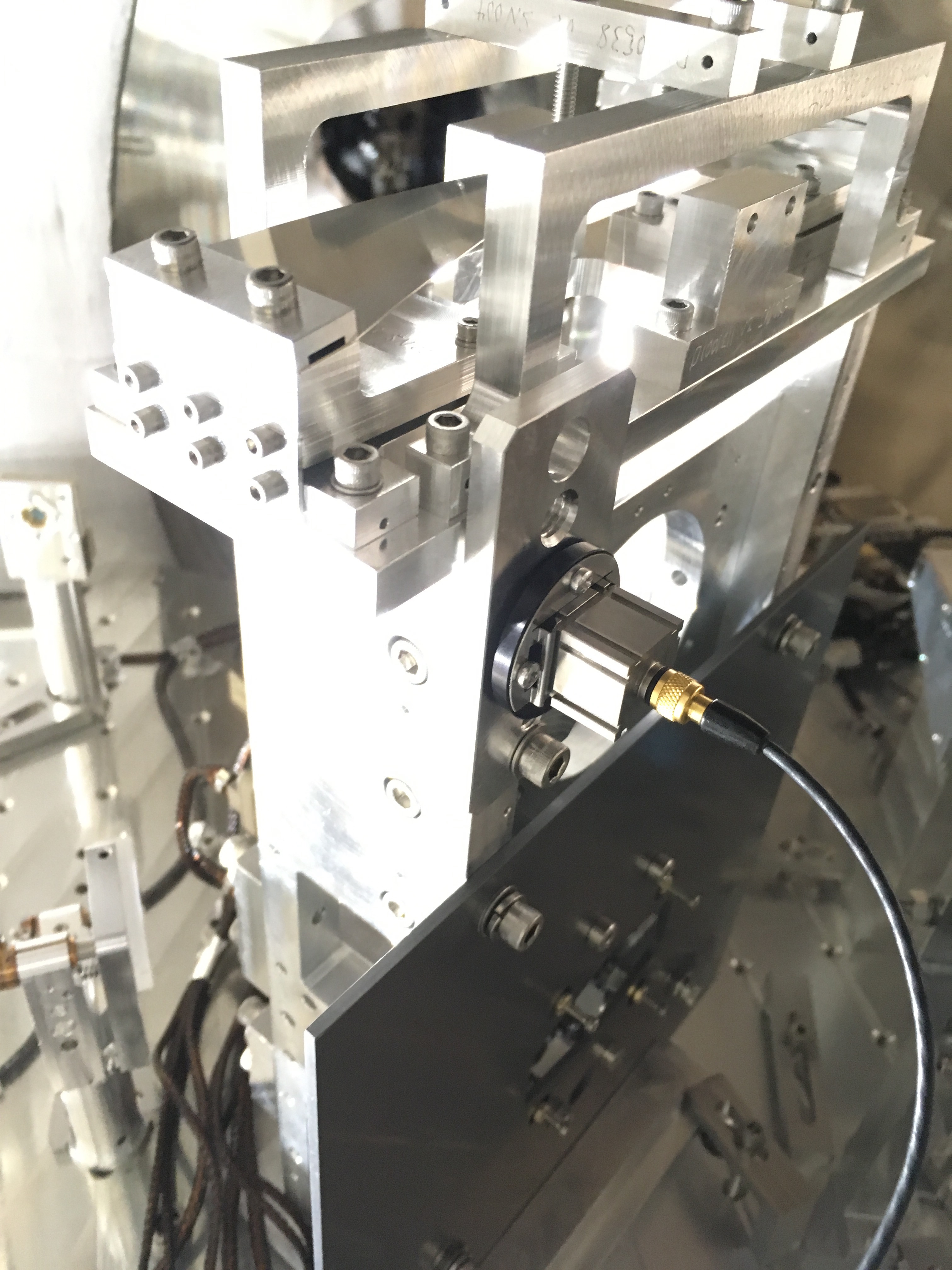
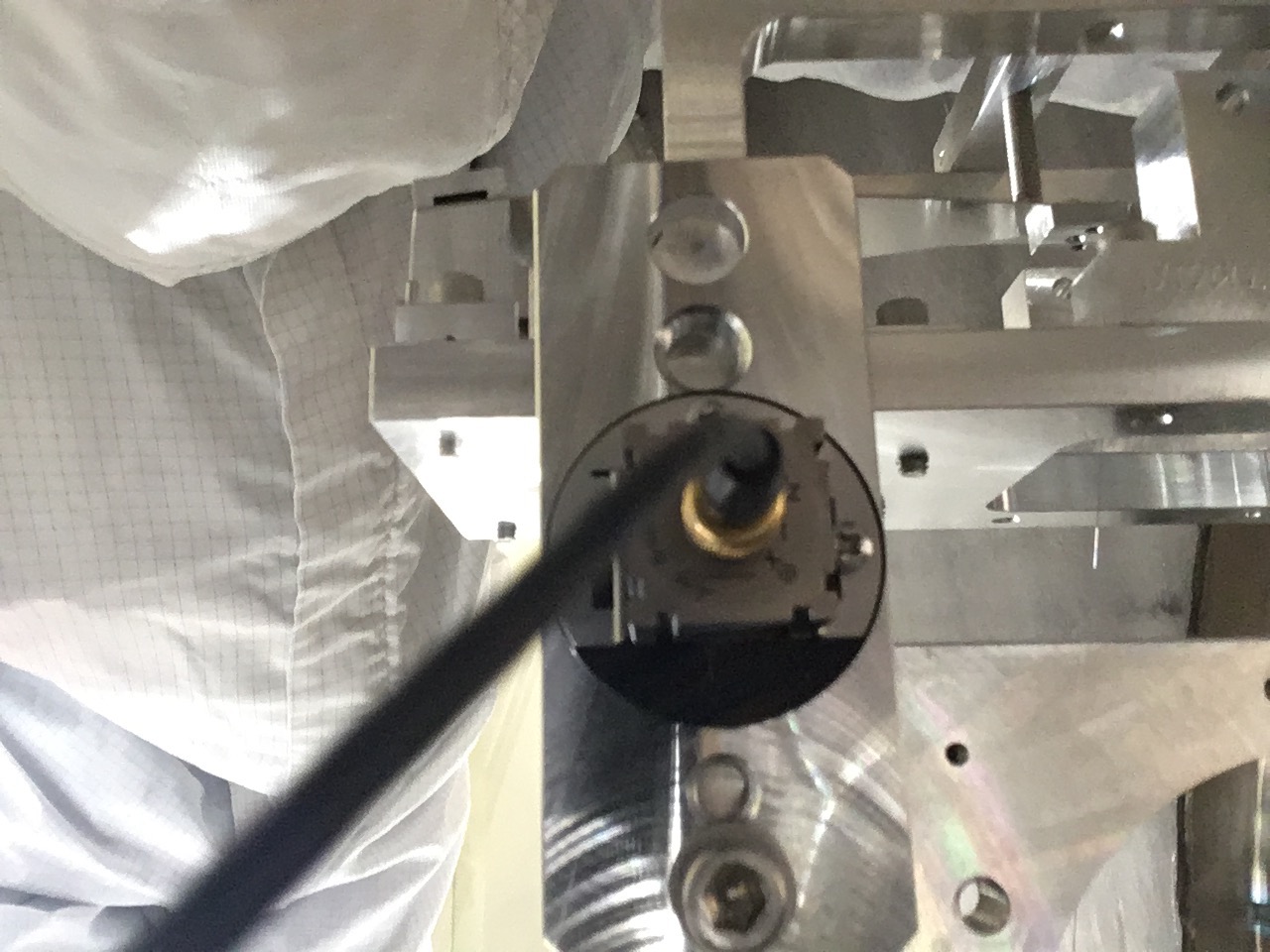
Did all the damping installs possible without making a chamber entry or moving SR2.
The north side Corner3 Broadband Blade and Flexure Dampers are installed. The north side Corner1 horizontal and vertical GS13 can dampers are also installed. On the south side, the Corner2 horizontal GS13 can damper is installed. So 5 of 12 items complete. The SR2 will have to be undogged and moved NW several mm to allow access to the top wall bolts. Chamber entry will be required on both the west and east sides for the remainder of damping installations. With the final two blade spring access walls out and the broadband dampers in place, B&K hammering can be done to tune the TMDs. Then all the walls can be remounted. All remaining (and spare) damping material is wrapped up on the north side table in the cleanroom.
WP7162 Daniel, Richard, Sheila, Dave:
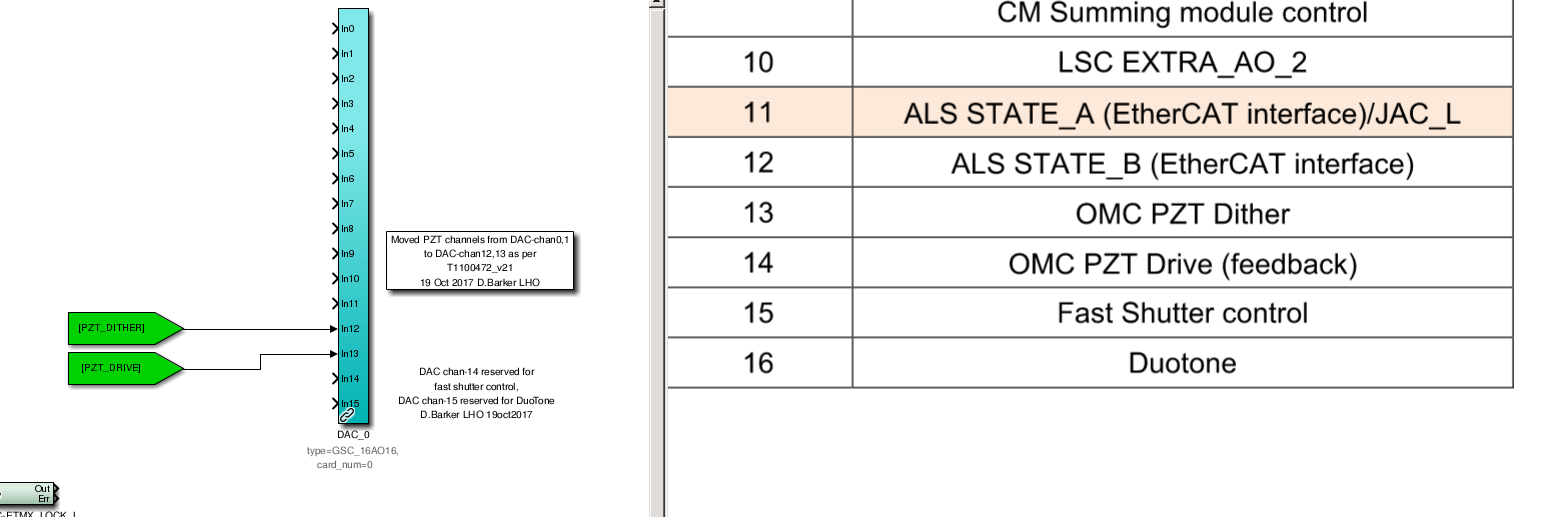
I modified the h1omc.mdl model to conform to the new DAC channel layout on h1lsc0, as defined by T1100472_v21. The OMC was originally using the first two channels of the 16bit-DAC for the PZT_DITHER and PZT_DRIVE signals. In the new scheme, SQZ uses the first 8 DAC channels, and the OMC uses the last block of 4 channels. Attached image shows model change and snipet of the dcc doc.
h1omc was rebuilt and all h1lsc0 models were restarted.
I had previously fixed a typo in the omclsc.mdl model which had a erroneous space in the DAQ channel block:
CAL-LINE_SUM *
^ space here
which the RCG interpreted as units = *
This is the first restart of h1omc since my fix, so the DAQ and the FEC are reporting different checksums for H1OMC.ini. This will be resolved on the next DAQ restart.
alog entry for 10/17/2017
Patrick and Daniel reported communication errors with EtherCAT corner station slow controls chassis (10/17/2017). Found bad EK1101 coupler in EtherCAT corner station chassis 5, S1200555.
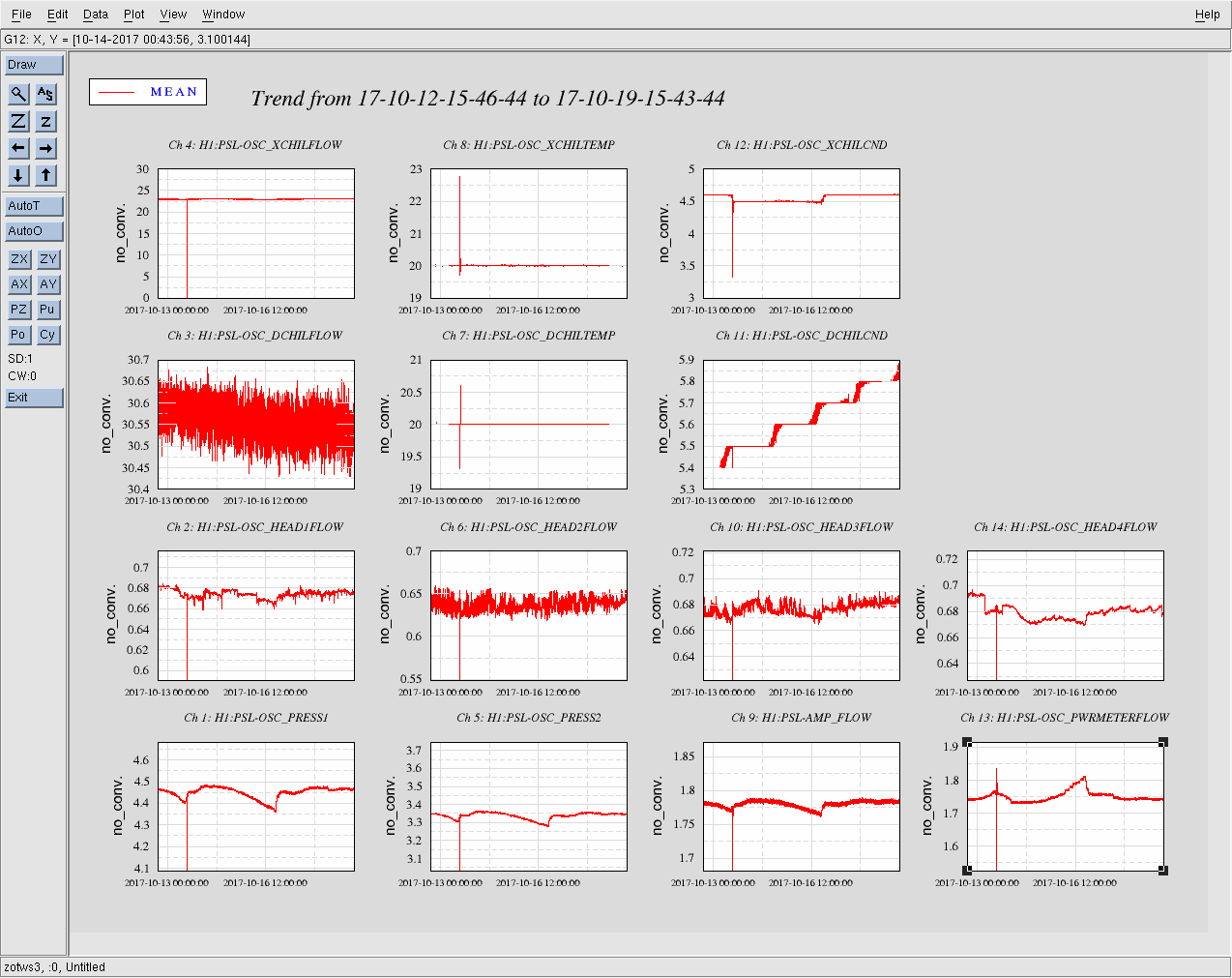
I added 250mL to the Xtal chiller. The level was between Min and Max.