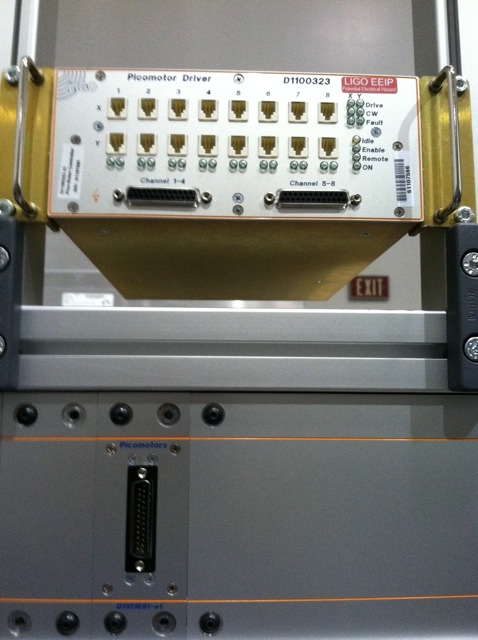
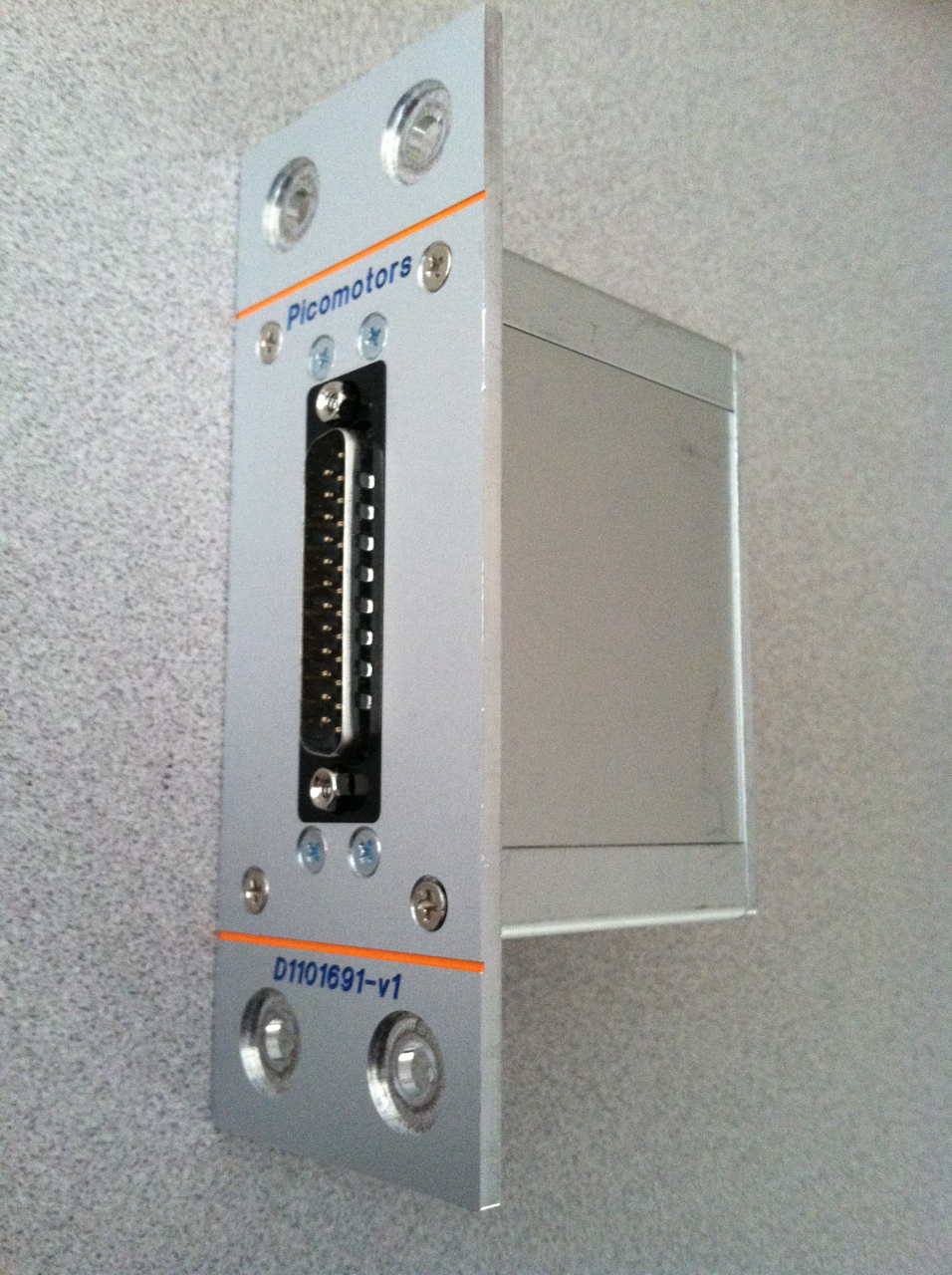
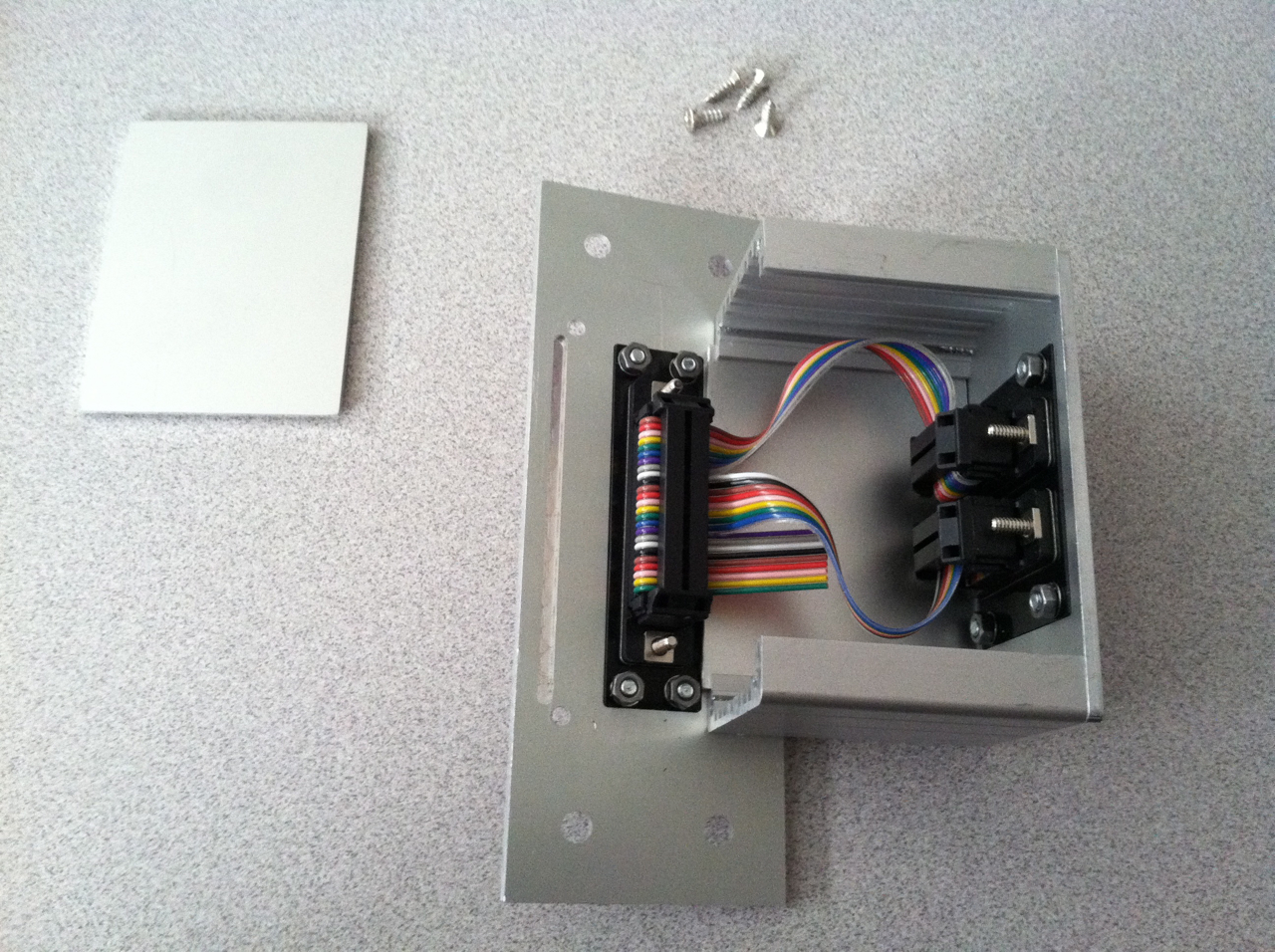
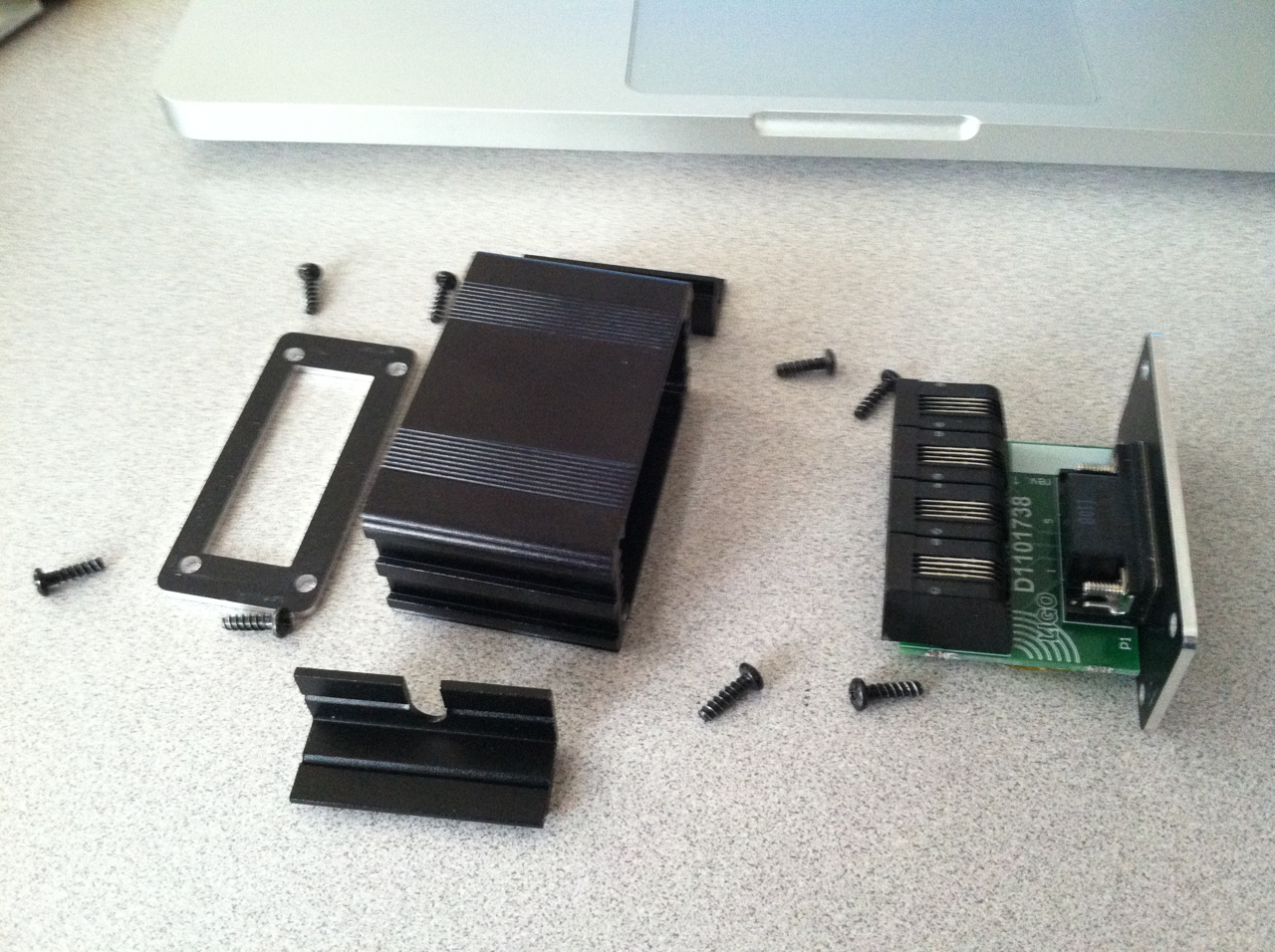
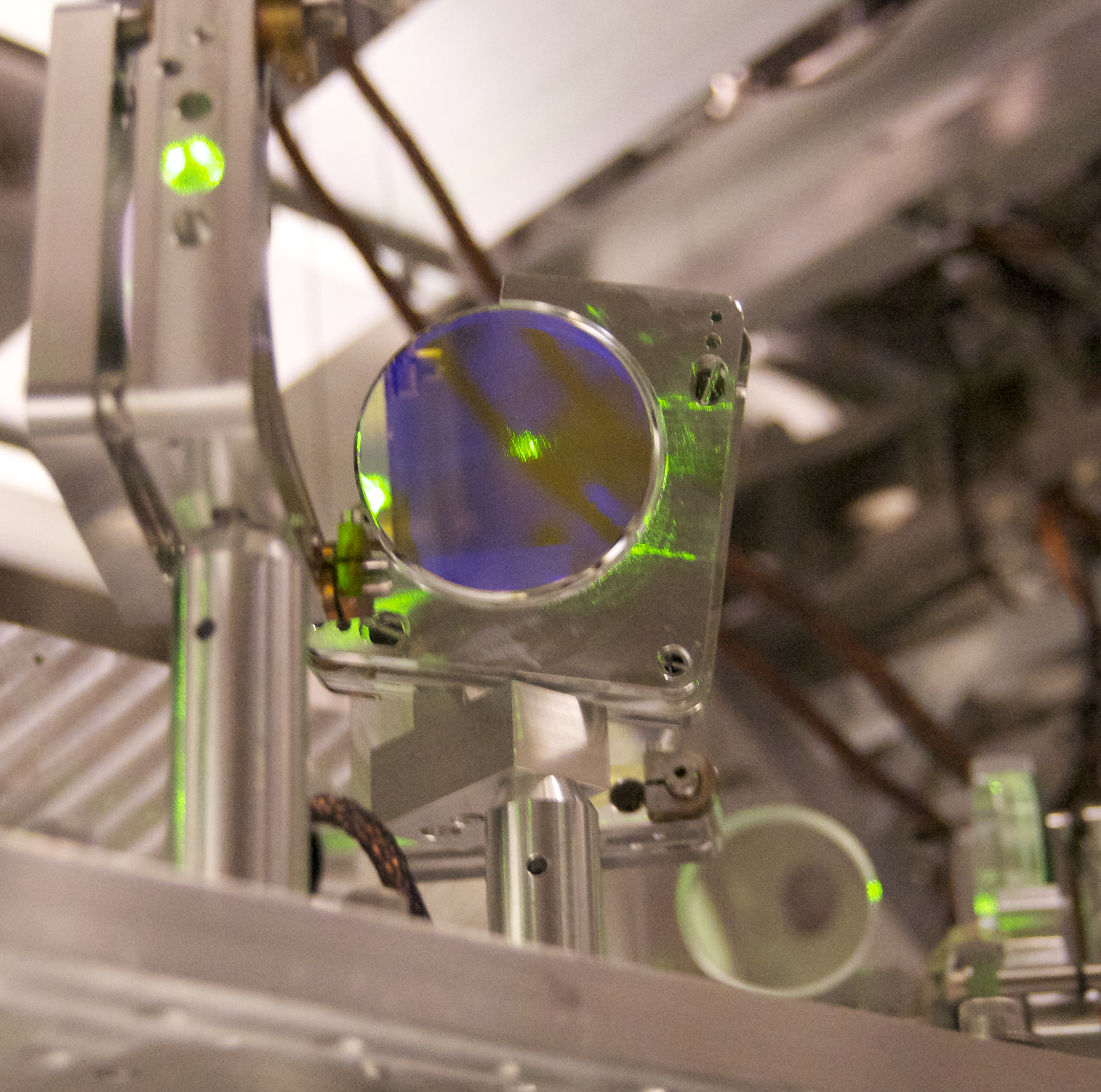
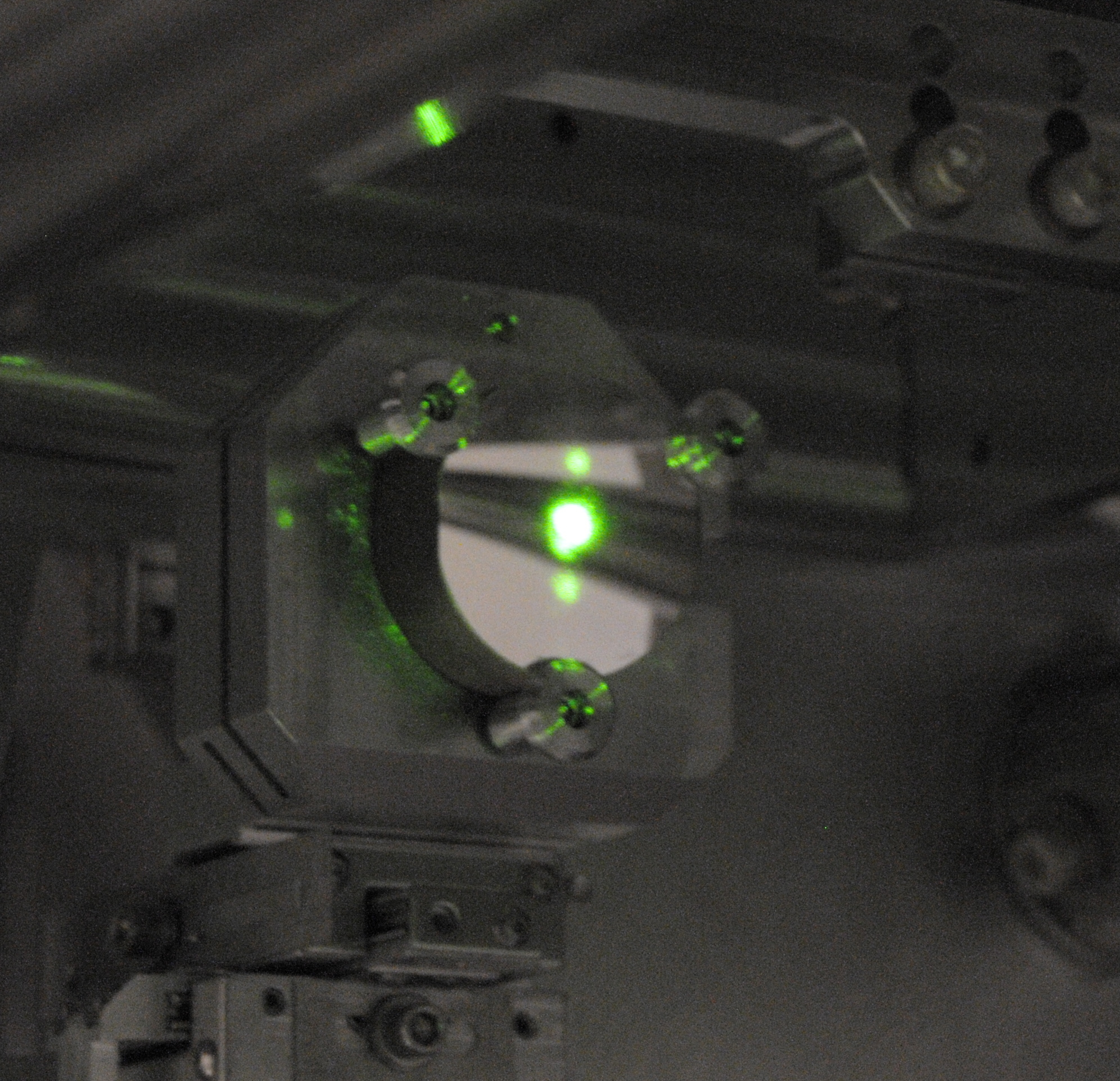
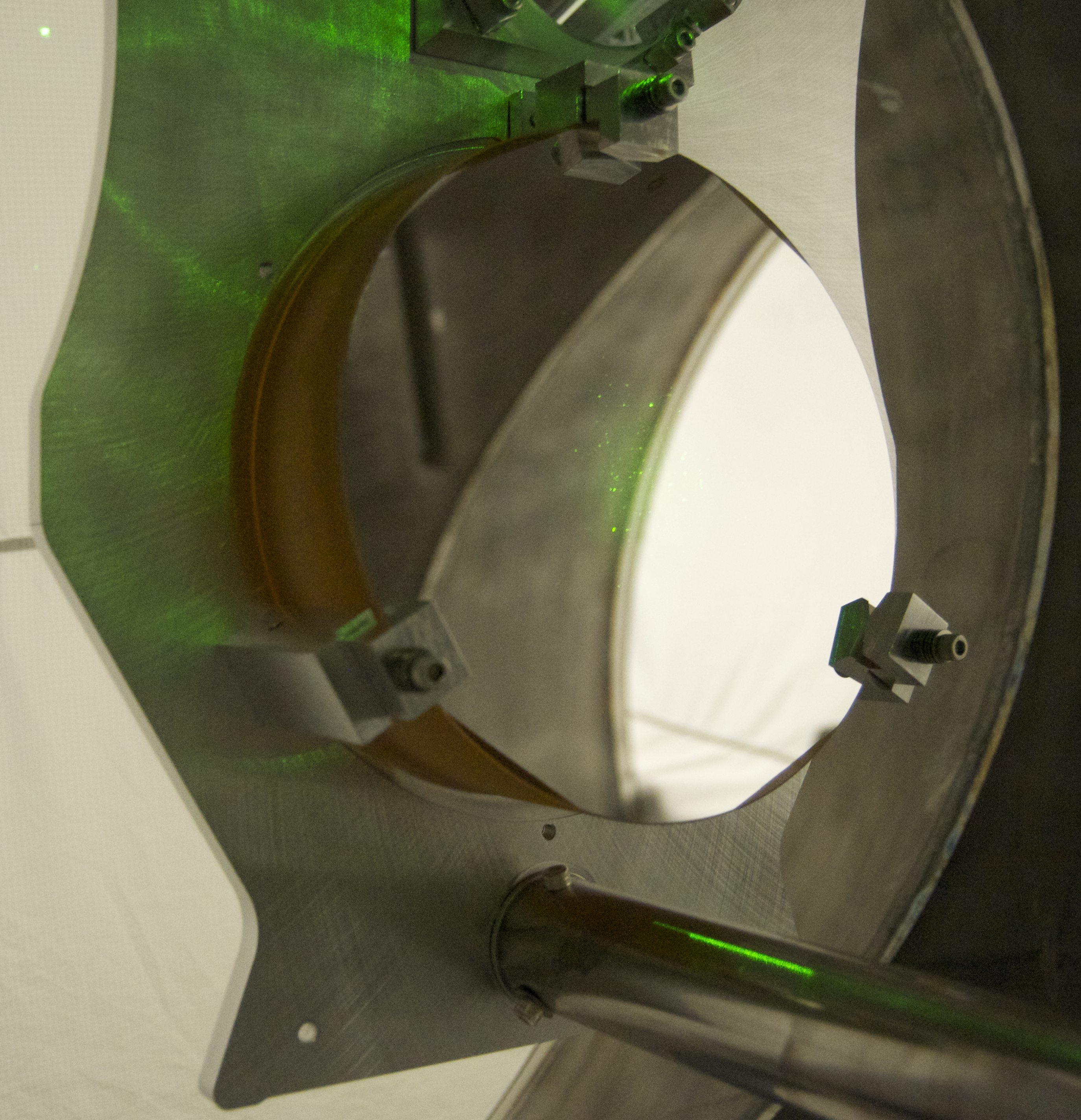
In preparation of venting Y-end tomorrow
After a few subtle software mysteries were solved, we've finally finished processing the M1 to M1 transfer function data taken last Tuesday on BSFM01, mounted in the assembly test area. Though the measurements do not exactly match the model*, everything looks qualitatively excellent, and I therefore approve that X1 BSFM 01 is ready to move over to mate with H2 ISI ITMY to become H2 SUS FMY. Attached are the results (as "alltfs"). * The model was built from previously designed physical parameters, and does not yet reflect the recent changes to get the pitch mode frequency higher. Given that fact, the small discrepancies between model and measurement are understandable. We'll work toward getting a better model. More importantly, LLO is ready to suspend their BSFM, so we'll see how well it reproduces this measurement suite. Details of the software mysteries: Mystery #1 - Incorrect model of M1 V to V transfer function. (see pg 1 of "mysteriessolved") Up until recently, we had been using the Mathematica-exported Matlab model that was a closed loop, combination MIMO and SISO triple suspension model, that needed simulink to run (see T1000724-v2). In this model only some degrees of freedom were cross-coupled, only some stages had inputs, and sensor noise was included. This resulted in a confusing arrangements of inputs and outputs, so much so that we couldn't find the M1 V to V transfer function, and could only find wha looked to be the M1 to M3 V to V transfer function. However, Mark had developed a fully MIMO triple model in July (with full 6x6 inputs and outputs for every stage plus 6 DOF ground inputs -- just like the QUAD model that we've been using), so I incorporated that into production QUAD-like analysis scripts. Further, because we're interested in open-loop loop transfer functions, I've stripped out all the clunky old Simulink parts. The with the new model, the inputs and outputs are all sorted out and organized nicely, so it was trivial to find the appropriate M1, V to V transfer function. For the record, this model now lives in ${SUSSVNHOME}/sus/trunk/BSFM/Common/MatlabTools/BSFM_Model_Production/ in which one should use the wrapper generate_BSFM_Model_Production.m which calls the following files ssmake3MBf.m -> triplep.m -> BSWIRE2008_Nov.m -> symbexport3full.m Mystery #2 - DC scale factor of ~100 between measurement and model for Pitch DOF. (see pg 2 of "mysteriessolved") The BSFM was measured using the exact same electronics (save the OSEMs themselves) as the previous QUADs. Since we haven't measured and compared any other degrees of freedom on the BSFM besides pitch to the model, I had been scaling the measurement by 2.7, and assumed this was just "the number" for the BSFMs. However, once I compared the other DOFs, they matched their models quite well (withing 50%) by scaling the measurements by the same factor of 225 used on the QUADs (which in retrospect is obvious). This screamed of some software bug, which after glancing over the OSEM2EUL and EUL2OSEM matrices, I noticed the Pitch matrix elements were quite small (they should typically be the largest coefficients in the matrix). I traced the route of this problem back to the script that calculates / defines these matrix elements, ${SUSSVNHOME}/sus/trunk/BSFM/Common/MatlabTools/make_susBSFM_projections.m and found that the distance between the F2F3 plane and F1 had been mistakenly defined to be 0.55 m (half a meter!!) instead of the actual distance of 0.055 m (or 55mm -- see attached). This factor of ten in both the OSEM2EUL and EUL2OSEM matrix explained away the factor of 100. I corrected the script, and repopulated the matrices, retook the pitch measurement, and voila! The data / xmls for this measurement suite can be found in ${SUSSVNHOME}/sus/trunk/BSFM/X1/BSFM01/BUILD02/SAGM1/Data/110823_1900_X1SUSBSFM01_WhiteNoise_*.xml Note that the re-measurement of the pitch degree of freedom after the matrix corrections is ${SUSSVNHOME}/sus/trunk/BSFM/X1/BSFM01/BUILD02/SAGM1/Data/110829_X1SUSBSFM01_WhiteNoise_P_0p005to50Hz.xml
BSC 6 HEPI installation is now nearly complete. Housings are in place with the positioned support tubes, horizontal and vertical actuators are installed, and most of the plumbing is in place.
The actuators will require spacers to be installed and the socket screws to be torqued to final value. However, doing so will wait until after the cartridge install.
I upgraded the H2 DAQ systems to RTS version tag-2.3.1 this morning between 11am and 12:20pm. All sytems were recompiled, including mbuf, mx_streams and the DAQ system (dc, rcv, nds). All computers were restarted.
The H2 diode room back wall (the LVEA wall) was painted and doors were installed in the diode and chiller rooms. More panels put up in the acoustic enclosure and anteroom. Perforated panels were also installed in the anteroom, to allow for airflow.
Dust levels are good.
Throughout the day: SEI install work at End-Y 11:00 – Patrick installing new dust monitors 3:00pm – contractors using SW roll-up for moving to and from End-Y 4:00pm - Swageloc contractor on-site to see Hugh R.
J. Kissel, J. Garcia
The attached pdf includes plots of the open-loop transfer function measurements as well as the model for each Euler-basis degree-of-freedom of the top mass reaction chain (R0). The plots display the calibrated measurement of the open loop transfer function from the test excitation channels ('H2:SUS-ITMY_R0_*DoF*_EXC") to the Damping filter inputs ('H:SUS-ITMY_RO_*DOF*_IN1_DQ'). Initial measurements agree quite well with the models. More analysis and more measurements to come. The measurement was conducted last Friday morning with the BSC-ISI Damping loops ON.
To clarify a few items: 1.) These are not the first H2 ITMY QUAD R0 Transfer Functions in general, rather these are the first since the mating of the QUAD to the BSC-ISI. 2.) The Damping Loops of the BSC-ISI were ON, but local damping of the QUAD was OFF. 3.) I should note the location of the data and scripts used to plot and take the data. All data and scripts are in the SUS SVN --> '/ligo/svncommon/SusSVN/sus/trunk/' under the following sub-directories: The data file for this measurement is in '~/trunk/QUAD/H2/ITMY/SAGR0/Data/' with filename = "2011-08-25-998352104_H2SUSITMY_R0_0p01to50Hz_AllDOFs_tf.mat" Script for data collection in '~/trunk/QUAD/H2/ITMY/SAGR0/Scripts/' file name = "collectTF_20110825_H2SUSITMY_R0_0p01to50Hz_AllDOFs.m" Script for plotting in '~/trunk/QUAD/Common/MatlabTools/' file name = "plotquad_matlabtfs.m"
I swapped the Met One 227B dust monitor at the H1 PSL with a Met One 6003 to test if the Met One 6003 would work with the existing code and RS 485 loop. I have put the previous dust monitor back, restarted the code, and reset the alarm settings.
J. Kissel, J. Garcia
The attached pdf includes plots of the open-loop transfer function measurements as well as the model for each Euler-basis degree-of-freedom of the main chain (M0). The plots display the calibrated measurement of the open loop transfer function from the test excitation channels ('H2:SUS-ITMY_M0_*DoF*_EXC") to the Damping filter inputs ('H:SUS-ITMY_MO_*DOF*_IN1_DQ'). Initial measurements agree quite well with the models. More analysis and more measurements to come. The Reaction chain (R0) transfer functions were conducted on Friday as well, results to follow.
The measurement was conducted last Friday morning with the BSC-ISI Damping loops ON.
To clarify a few items: 1.) These are not the first H2 ITMY QUAD M0 Transfer Functions in general, rather these are the first since the mating of the QUAD to the BSC-ISI. 2.) The Damping Loops of the BSC-ISI were ON, but local damping of the QUAD was OFF. 3.) I should note the location of the data and scripts used to plot and take the data. All data and scripts are in the SUS SVN --> '/ligo/svncommon/SusSVN/sus/trunk/' under the following sub-directories: The data file for this measurement is in '~/trunk/QUAD/H2/ITMY/SAGM0/Data/' with filename = "2011-08-25-998323873_H2SUSITMY_M0_0p01to50Hz_AllDOFs_tf.mat" Script for data collection in '~/trunk/QUAD/H2/ITMY/SAGM0/Scripts/' file name = "collectTF_20110825_H2SUSITMY_M0_0p01to50Hz_AllDOFs.m" Script for plotting in '~/trunk/QUAD/Common/MatlabTools/' file name = "plotquad_matlabtfs.m"
GregG & EricA We had a bolt gall in the Pier top so that cost a good 1/2 man day. But that is mostly over now and we proceed. Five of the eight Actuators are in place and we are on track to complete Monday. Can't give a welding update at this time. -Hugh
Electrical wiring was worked on today, HEPA units brought over to the clean rooms and more paneling work.
Dust levels are good.
Helium leak tested (4) new 10" conflat joints and (1) new 2.75" joint on GV14 adapter spool (iLIGO viewports removed, (3) blanks and (1) 10"-2.75" zero-length reducer installed) -> new joints are good but found a 4x10⁻⁷ torr*L/sec leak on nearby original iLIGO blank -> Cinched flange fasteners and leak improved to 1x10⁻⁷ torr*L/sec
John, Kyle Found 1x10⁻³ torr*L/sec leak on pump side of 10" gate valve at Main Turbo Pump inlet (stem bellows area) -> Closed valved and valved-in IP1, 2, 3 and 4. Also, valved-in HAM6 500 L/sec ion pump -> Vertex pressure normal now. Will replace valve during next Vertex vent.
I've turned on the damping loops, they work as a set (all 12) or one at a time, excpet for Stage 1 rZ which is not stable at ~11.5Hz when it is the only loop on
ITMY-ISI Tranfsfer Functions With a Quad
The Badness on stage one (19-30 peaks) is only seen in the CPS and not the L4Cs so is presumably the test stand.
There is a not enormous cluster of peaks around 265-270 on the St1-> L4Cs TFs which are probably the spring resonance
For the lower frequency data set, Stage 1, V2 actuator was unplugged
- Surveying work by BSC7. Clean room not placed on it. - BSC8 ICC complete, floor replaced, dome replaced. - Kyle completes leak checks in HAM4, HAM5, HAM6 area. - IAS work at EY, BramS, SamW, MattE presiding. - SUS crew working by test stand. - King Water arrived to work on RO.
Not too much done today, a truck carrying needed parts did not arrive and Gerbig people had to drive out to pick up the crates. More wall panels put up.
Dust counts are good.
Had issues with the signal input selection monitor bits for the PUM. A test bit controls where the drive signal for each channel comes from. The PUM has two DB9 connectors, "DRIVE IN" or "TEST IN". See Jeff Kissel Alog - QUAD BIO I/O Simulink/MEDM Upgrade for further details. This test bit controls a relay that selects from "DRIVE IN" or "TEST IN". Attached to this circuit are two transistors that output the state of the relay. When the relay was activated, it would respond by switching. The problem came from the rest of the circuit, where the input voltage on this bit was around 0.8V. This was enough voltage to keep the base of the transistor "on" regardless of the state. Jay Heefner recommended we switched out R111 on all four channels from 10K to 100K. Did modifications on PUM Chassis SN S102650. Unit is back in SUS rack and monitor channels are all working. F. Clara, J. Heefner, R. McCarthy
Correct SN of Chassis is S1102650.